Milder, Drier Winter Forecast Raises Concern Over Snow Cover and Water Security in J&K

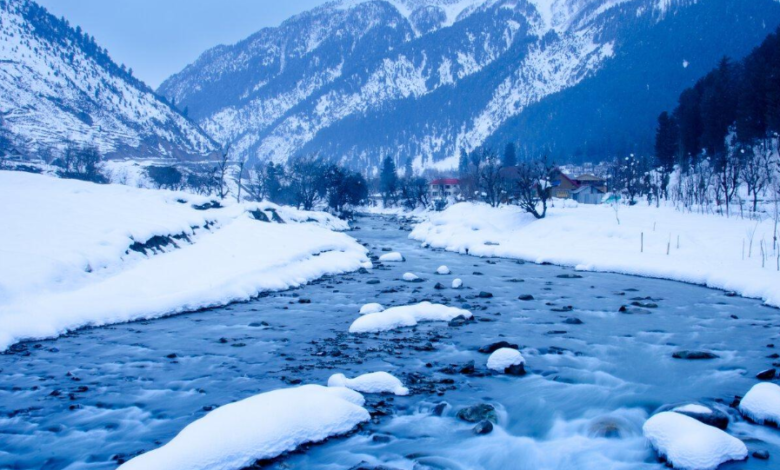
Srinagar, Sep 15, KNT: Jammu and Kashmir could experience a relatively mild and drier-than-normal winter under the influence of a strengthening El Niño, but one or two significant snowfall spells during the peak winter months cannot be ruled out, Director, Meteorological Department Srinagar Dr Mukhtar Ahmad said.
Ahmad cautioned against social-media claims that winter would not occur in India, saying the season would arrive but its intensity could vary. He said the latter part of 2026 and beginning of 2027 could be warmer and drier, while stressing that a definitive seasonal forecast cannot be made this far in advance because atmospheric conditions can change.
The more significant concern for Jammu and Kashmir, according to the MeT assessment, is not simply whether snowfall occurs but when and how much snow remains on the ground during peak winter.
Ahmad said timely snowfall during the peak winter months is particularly important for Himalayan regions because lower temperatures allow snow to remain for longer periods and contribute to glacier recharge. Snowfall arriving later in the season can also help, but warmer conditions can lead to faster melting.
Jammu and Kashmir has already experienced a pattern in recent years in which prolonged dry periods were interrupted by occasional snowfall spells that were generally weaker than expected, according to the MeT Director.
The assessment comes against the backdrop of a strong El Niño developing in the tropical Pacific. The World Meteorological Organization said in its latest August update that El Niño is firmly established and expected to strengthen further, with an exceptionally high likelihood, nearly 100 per cent, of persisting through February 2027.
The WMO has also warned that a very strong El Niño can significantly alter global rainfall and temperature patterns and increase risks associated with drought, floods and extreme heat.
For Jammu and Kashmir, the potential significance lies in the region’s dependence on winter precipitation for its snow cover, springs, rivers and wider water cycle. A milder winter with shorter-lasting snow cover could therefore have implications beyond winter tourism and temperatures, although the actual impact will depend on the number and strength of Western Disturbances and the eventual precipitation pattern.
Director Meteorological Department Srinagar Dr Mukhtar Ahmad said a strong Western Disturbance accompanied by adequate moisture during the onset or peak of winter could still produce beneficial snowfall, meaning the seasonal outlook should not be interpreted as a forecast of a snowless winter.
The MeT Director also said J&K’s overall precipitation for the current season remains close to normal despite contrasting monthly trends, with July recording around 35 per cent excess rainfall and August witnessing about a 25 per cent deficit. [KNT]
© Kashmir News Trust (KNT). Unauthorized use without attribution is prohibited.