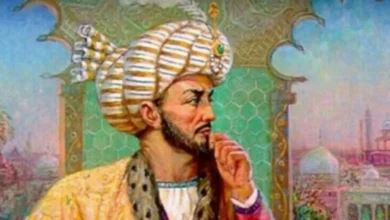

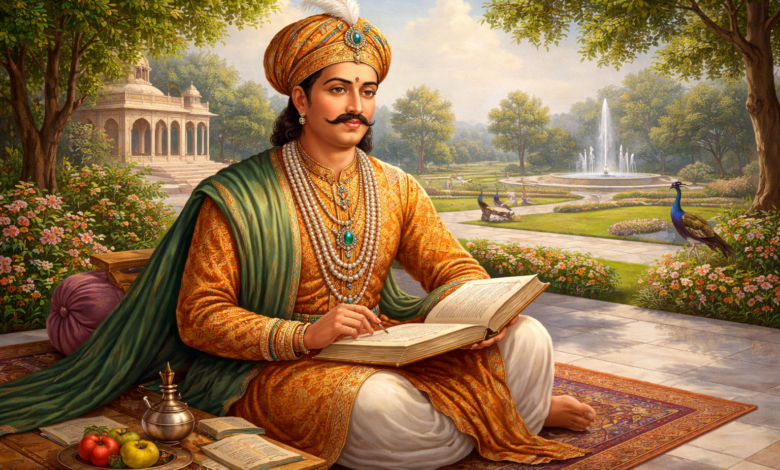
Birbal, born Mahesh Das around 1528, was one of the most celebrated courtiers in the court of Akbar. He is remembered as a poet, administrator, military officer and above all, a trusted confidant of the emperor. Over time, he became a legendary figure in Indian folklore for his wit, intelligence and presence of mind.
Rise to Prominence
Birbal is believed to have been born in present-day Uttar Pradesh in a Brahmin family. Gifted in poetry and music, he initially gained attention as a court poet. His sharp intellect and quick repartee reportedly impressed Emperor Akbar during an early encounter, leading to his appointment in the Mughal court around 1556.
Akbar conferred upon him the title “Raja” and later “Birbal,” meaning “brave heart.” Unlike many courtiers who rose through military lineage, Birbal earned prominence through intellect, diplomacy and personal rapport with the emperor.
He eventually became one of the Navaratnas, the nine distinguished jewels in Akbar’s court.
Why Is Birbal Famous?
Birbal is famous for three primary reasons:
-
His close friendship and advisory role to Akbar
-
His legendary wit and problem-solving abilities
-
His place in folklore through the Akbar-Birbal tales
Though many popular stories are part of oral tradition and later literary creation, they reflect his reputation as a man of extraordinary intelligence.
His Contributions
1. Political and Administrative Role
Birbal was not merely a humorist. He held important administrative responsibilities and was part of imperial decision-making. He supported Akbar’s policy of religious tolerance and was aligned with the emperor’s inclusive governance approach.
2. Religious Dialogue
He was among the few Hindu courtiers who had significant influence in Akbar’s court during a time of major religious debates. His presence symbolized Akbar’s broader policy of Sulh-i-Kul, or universal tolerance.
3. Military Service
Birbal also served in military campaigns. He was granted a high military rank, reportedly commanding thousands of soldiers.
His Closeness to Akbar
Birbal was considered one of Akbar’s most trusted companions. Unlike many nobles who maintained strict formal distance, Birbal shared a personal bond with the emperor. He could speak candidly and even challenge the emperor respectfully.
Historical accounts suggest that Akbar deeply valued Birbal’s counsel. His presence at court was not only strategic but also personal, as he often lightened the mood in tense situations.
Famous Incidents and Anecdotes
Though many stories are folkloric, they reflect Birbal’s legendary wisdom:
The “Crows in the Kingdom” Story
When Akbar asked how many crows were in the kingdom, Birbal instantly gave a number. When questioned, he replied that if there were more, some had come to visit relatives, and if fewer, some had gone to visit elsewhere. His quick reasoning delighted Akbar.
The “Line Without Touching It”
Akbar drew a line and asked Birbal to make it shorter without erasing it. Birbal drew a longer line beside it, making the original appear shorter. The emperor admired the simplicity and brilliance of the solution.
The “Birbal’s Khichdi” Tale
In a popular story, Birbal proved a poor man’s point about delayed justice by symbolically cooking food from a great height, demonstrating that impossible expectations cannot yield results. This incident is often cited as a lesson in fairness and empathy.
These stories strengthened his image as a wise and just advisor.
His Death
Birbal died in 1586 during a military campaign in the northwest frontier region against Afghan tribes. He was reportedly killed in an ambush during the Yusufzai campaign.
His death deeply affected Emperor Akbar. Historical chronicles indicate that Akbar mourned him profoundly and reportedly said that he had lost not only a minister but a dear friend.
Legacy
Birbal’s legacy exists on two levels:
-
Historical figure: A trusted advisor, noble and military commander in Akbar’s court.
-
Cultural icon: A symbol of intelligence, fairness and presence of mind in South Asian folklore.
Even centuries later, the stories of Akbar and Birbal remain widely read, dramatized and taught as moral lessons for children and adults alike.
Conclusion
Birbal was far more than a witty courtier. He was a statesman, poet, military officer and one of the closest confidants of Emperor Akbar. His life reflects a rare blend of intelligence, diplomacy and courage. His tragic death marked the end of a unique partnership in Mughal history, but his legend continues to endure in literature and popular memory.
© Kashmir News Trust (KNT). Unauthorized use without attribution is prohibited.