J&K Child Protection Bodies Without New Appointments After Tenure Extension Expires; Questions Raised Over Interim Safeguards

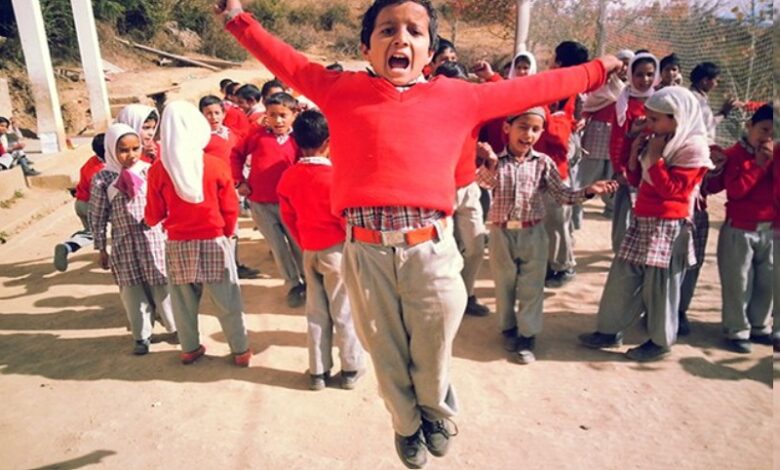
Srinagar, Oct 21, KNT: The expiry of the extended tenure of Child Welfare Committees (CWCs) and Juvenile Justice Boards (JJBs) in Jammu and Kashmir, without their replacements having been constituted, has triggered concerns over the continuity of statutory child-protection and juvenile-justice mechanisms in the Union Territory.
An official communication issued by the Directorate of Mission Vatsalya, Jammu and Kashmir, on October 13, 2026, acknowledges that the six-month extension granted to the existing chairpersons and members of the committees and boards expired on October 13, while the new bodies were yet to be constituted.
The order, addressed to all District Child Protection Officers (DCPOs), directs them to take custody of official files, records, registers and other documents relating to the functioning of the outgoing CWCs and JJBs in their respective districts. It also lays down interim arrangements for handling matters concerning children until the new bodies are constituted.
The development has drawn criticism from Peoples Conference chairman Sajad Gani Lone, who has accused the elected government of failing to ensure continuity in institutions responsible for protecting vulnerable children and dealing with juveniles in conflict with the law.
In a public statement, Lone said the existing institutional framework had been allowed to lapse despite the expiry date being known in advance. He questioned how children requiring urgent care, protection or intervention in legal proceedings would receive the safeguards envisaged under the law in the absence of newly constituted committees and boards.
The issue concerns two distinct statutory bodies with different responsibilities. Child Welfare Committees deal with children in need of care and protection, while Juvenile Justice Boards exercise powers relating to children alleged to have come into conflict with the law.
Under the Juvenile Justice (Care and Protection of Children) Act, 2015, Section 27 provides for the constitution of Child Welfare Committees in every district, while Section 4 provides for Juvenile Justice Boards. These institutions exercise statutory powers in matters concerning children, making their functioning central to the implementation of the juvenile-justice framework.
The Mission Vatsalya communication states that, during the intervening period, matters relating to children in need of care and protection are to be handled by the concerned Protection Officers, including those dealing with institutional and non-institutional care, along with other supporting staff under the overall supervision of the District Child Protection Officer.
For matters relating to children in conflict with the law, the order says the Principal Magistrates of the Juvenile Justice Boards are to be assisted by the concerned Legal-cum-Probation Officers and other supporting staff of the respective District Child Protection Units to facilitate the discharge of responsibilities and maintain continuity of essential functions until the new boards and committees are constituted.
The communication also directs district officers to ensure the systematic transfer, verification, preservation and safe custody of records, maintain confidentiality and submit compliance reports after completing the takeover process.
However, the interim arrangements have raised questions about whether administrative supervision and the handling of records can adequately ensure the exercise of all statutory functions previously discharged by the committees and boards. The order outlines responsibilities for officials during the intervening period but does not announce a date for fresh appointments.
Lone has argued that officials assigned interim responsibilities cannot automatically substitute for statutory bodies empowered to take decisions in matters involving children’s care, protection, inquiry and other legal proceedings. He has particularly questioned how urgent cases will be dealt with while the new institutions remain unconstituted.
He has also criticised the government’s approach to outsourcing in the child-protection system, arguing that employees working under outsourced arrangements may find it difficult to challenge police officials or other authorities when a child’s rights require intervention.
The Peoples Conference chairman further questioned the continued non-functioning of the State Commission for Protection of Child Rights, which he described as the watchdog responsible for monitoring the implementation of child-rights safeguards. He alleged that the commission had remained dysfunctional despite the recruitment process having been advertised more than a year ago.
The controversy also revives concerns over whether the government acted in sufficient time to complete the appointment process before the extension granted to the existing members expired. The October 13 communication confirms that the new CWCs and JJBs had not yet been constituted on the date of its issuance, but it does not set out the reasons for the delay or specify when the process will be completed.
The immediate concern is the availability of an effective and legally empowered mechanism for children who need protection or become involved in legal proceedings during the intervening period. While the government order directs officials to maintain continuity and preserve records, questions remain over the precise scope of their authority and the arrangements for decisions that ordinarily fall within the statutory powers of the CWCs and JJBs.
Lone has placed responsibility for the lapse squarely on the elected government, rejecting the possibility that the absence of Transaction of Business Rules or the need to refer matters to the Centre could be used to explain the delay. The government order, however, does not address those arguments or provide a detailed legal explanation for allowing the extension to expire before the new bodies were constituted.
The government has directed district-level officials to ensure continuity in essential functions pending the constitution of the new committees and boards. The issue now centres on how quickly the appointments will be completed and whether the interim arrangements can ensure that children continue to receive timely protection and that statutory safeguards remain effective. [KNT]
© Kashmir News Trust (KNT). Unauthorized use without attribution is prohibited.