
Somalia is reportedly engaged in high-level negotiations with Pakistan to acquire up to 24 JF-17 “Thunder” fighter jets in what could become its most consequential defence procurement since the collapse of the Somali state in 1991.
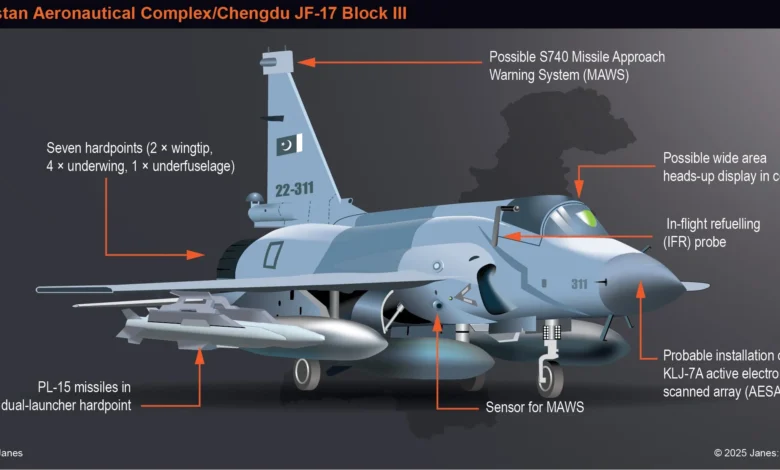
Sources familiar with the discussions indicate that talks centre on the advanced Block III variant of the aircraft under a multi-phased package estimated at around $900 million. The proposed arrangement reportedly extends beyond the aircraft to include pilot training, weapons integration, maintenance support and long-term logistics.
The JF-17 Thunder is jointly developed by the Pakistan Aeronautical Complex and Chengdu Aircraft Corporation. Designed as a cost-effective multi-role fighter, the platform has been marketed to emerging air forces seeking alternatives to more expensive Western jets.
Somalia once operated a relatively capable air arm during the Cold War era, flying Soviet MiG-21s and Western aircraft. However, decades of civil conflict following the fall of Siad Barre in 1991 dismantled that capability, leaving the country dependent on international partners for aerial surveillance, drone operations and logistical support.
The current negotiations follow the United Nations Security Council decision in December 2023 to lift a long-standing arms embargo on the Somali federal government, enabling it to procure advanced military equipment. The development also coincides with the transition from the African Union’s ATMIS mission to the newly authorised AUSSOM stabilisation force, which is expected to gradually transfer greater security responsibility to Somali national forces.
Defence analysts note that a programme of this scale would far exceed Somalia’s annual security budget, estimated at roughly $255 million in 2025. Observers suggest that regional partners such as Turkey and Saudi Arabia, both of whom have deepened security cooperation with Mogadishu, could play a financial or strategic role in the broader military modernisation drive.
While acquisition of advanced aircraft would represent a significant leap in sovereign air capability, experts caution that rebuilding an operational air force requires sustained investment in training, maintenance infrastructure, munitions and secure airbases.
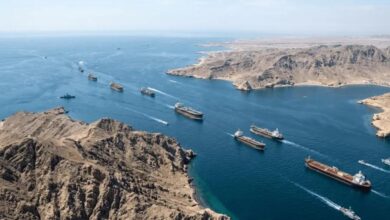
If finalized and implemented, the deal could enable Somalia to independently patrol its vast coastline and airspace, potentially altering security dynamics across the Horn of Africa.
© Kashmir News Trust (KNT). Unauthorized use without attribution is prohibited.