US Intelligence Criticised for Misreading Iran’s Capabilities and Intentions
Debate Grows in Washington Over Intelligence Gaps on Iran

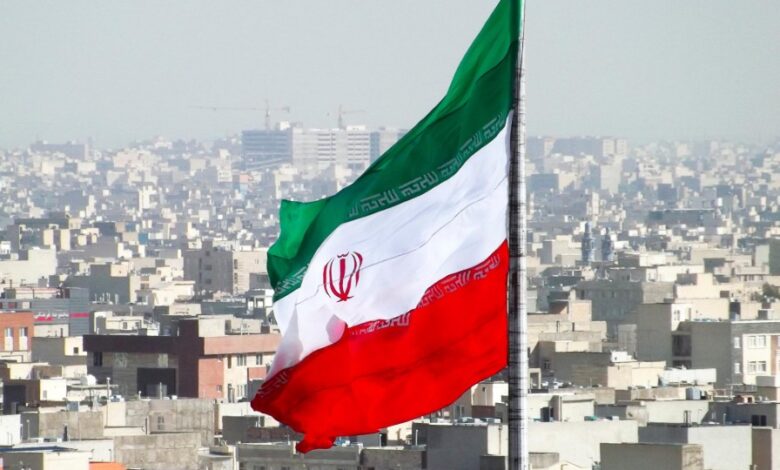
The United States intelligence community is facing renewed criticism from analysts and policy experts who argue that Washington has repeatedly failed to accurately assess Iran’s capabilities, intentions and political resilience, raising concerns about the reliability of intelligence guiding US policy toward Tehran.
The debate has resurfaced in strategic circles in Washington following fresh analysis suggesting that US intelligence agencies have historically struggled to interpret Iran’s military strategy, internal political dynamics and long-term regional ambitions.
Experts say these miscalculations have at times contributed to policy decisions that underestimated Iran’s ability to withstand economic sanctions, diplomatic isolation and military pressure.
Several analysts argue that intelligence agencies in the United States have often relied on assumptions about internal political instability in Iran that did not materialize in the way policymakers expected.
Over the years, Iran’s political system has demonstrated a level of institutional resilience that many outside observers had predicted would weaken under sustained economic and diplomatic pressure.
Critics say such misjudgments reflect broader structural issues within intelligence analysis, including reliance on limited sources, bureaucratic biases and institutional assumptions that can shape how information is interpreted.
Analysts note that intelligence failures are rarely the result of a single error but often stem from systemic problems in assessment frameworks and interpretation of data.
In the case of Iran, some observers believe that Washington has repeatedly underestimated the country’s capacity to adapt to external pressure and maintain internal political cohesion.
Iran’s leadership structure includes multiple power centres, including political institutions, religious leadership and security organizations, which together form a complex system that can sustain continuity even during crises.
This institutional structure, analysts say, has enabled Iran to maintain stability despite economic sanctions, political isolation and regional tensions over several decades.
Some critics argue that US intelligence assessments have also struggled to fully account for Iran’s long-term strategic planning in the Middle East.
Tehran has built extensive regional networks and alliances across several countries, giving it strategic depth and influence that may not always be reflected in simplified intelligence assessments.
Analysts say that misreading these dynamics can lead to flawed policy assumptions about how Iran might respond to external pressure or confrontation.
The debate over intelligence accuracy is not new and has surfaced periodically in Washington policy discussions over the past two decades.
One of the most widely cited examples is the 2007 US National Intelligence Estimate, which concluded that Iran had halted its nuclear weapons program in 2003.
While the assessment was intended to provide a nuanced understanding of Iran’s nuclear intentions, critics later argued that it created confusion among policymakers about the scale and direction of Iran’s nuclear activities.
Supporters of the intelligence assessment said the report reflected the best available information at the time, highlighting the inherent challenges involved in gathering reliable intelligence on a highly secretive state.
Intelligence gathering on Iran has long been considered particularly difficult due to limited direct access, complex political structures and the country’s efforts to protect sensitive military and technological programs.
Experts say these constraints make it challenging for intelligence agencies to build a complete picture of Iran’s strategic decision-making.
Analysts also point to the broader challenge of interpreting signals from Iran’s leadership, where political messaging often combines domestic considerations with strategic signaling to international audiences.
Some observers say that misunderstanding these signals can lead to misinterpretation of Tehran’s intentions.
Recent intelligence discussions in Washington have also focused on the question of regime stability in Iran.
Some analysts argue that previous assumptions about the potential collapse of Iran’s political system under external pressure have proven overly optimistic.
Despite facing economic hardship and internal political tensions, Iran’s governing institutions have remained intact and capable of maintaining control.
Experts say this resilience underscores the importance of understanding the deeper institutional foundations of the Iranian political system.
The debate has also raised broader questions about how intelligence agencies evaluate complex geopolitical rivals.
Some analysts argue that intelligence organizations sometimes struggle to accurately assess adversaries whose political systems and strategic cultures differ significantly from those in the West.
They say improving analytical frameworks and reducing institutional biases will be essential for producing more accurate intelligence assessments in the future.
Others caution that intelligence analysis will always involve a degree of uncertainty, particularly when dealing with closed political systems such as Iran.
Even so, many experts say strengthening analytical rigor and diversifying sources of information could help reduce the risk of misinterpretation.
As tensions between Washington and Tehran continue to shape security dynamics in the Middle East, the accuracy of intelligence assessments remains a key factor influencing diplomatic, economic and military strategies.
Analysts say a deeper understanding of Iran’s political institutions, strategic thinking and regional influence will be crucial for shaping effective policy decisions in the years ahead. [KNT]
© Kashmir News Trust (KNT). Unauthorized use without attribution is prohibited.