NEWS AGENCY KASHMIR NEWS TRUST #KNT
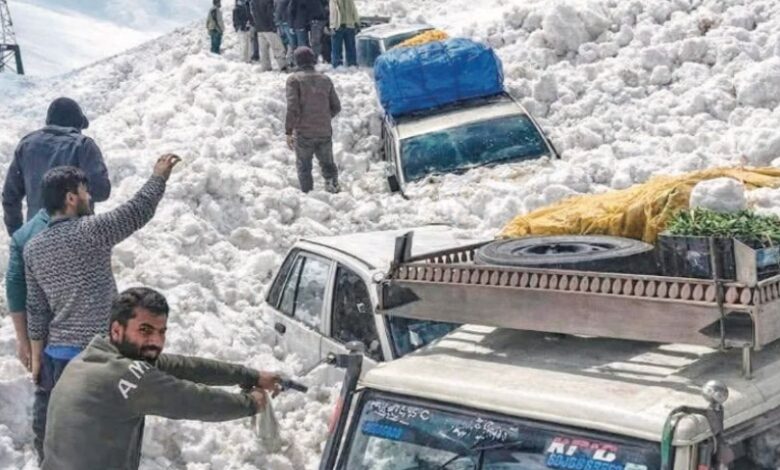
The death of seven people in the Zojila avalanche is not merely a natural disaster. It is a stark reminder of the persistent gap between hazard awareness and ground-level preparedness in Kashmir’s high-risk corridors.
Avalanches in the Zojila sector are neither rare nor unpredictable. They are seasonal, documented and, to a large extent, foreseeable. Yet, year after year, movement continues through vulnerable stretches with limited real-time restrictions, raising questions about enforcement and risk communication.
Authorities have systems in place, including weather advisories and road management protocols. However, the effectiveness of these measures remains inconsistent. The issue is not absence of warning, but the failure to translate warnings into decisive action on the ground.
A more robust approach is urgently needed. This includes strict regulation of civilian movement during high-risk periods, mandatory avalanche risk briefings for drivers and travellers, and real-time coordination between meteorological agencies and traffic control units.
Technology must also be leveraged more effectively. Automated alert systems, GPS-based tracking in vulnerable zones, and wider dissemination of risk levels through mobile networks can significantly reduce exposure.
Equally critical is accountability. When fatalities occur in known danger zones, there must be a transparent review of whether protocols were followed or ignored.
The proposed Zojila tunnel may offer a long-term solution, but until then, reliance on reactive rescue operations is not enough. Prevention must take precedence over response.
In Kashmir’s mountains, avalanches cannot be stopped. But loss of life, to a large extent, can be.
© Kashmir News Trust (KNT). Unauthorized use without attribution is prohibited.