UK, France Plan Shipping Summit; China Warns US Over Strait Blockade

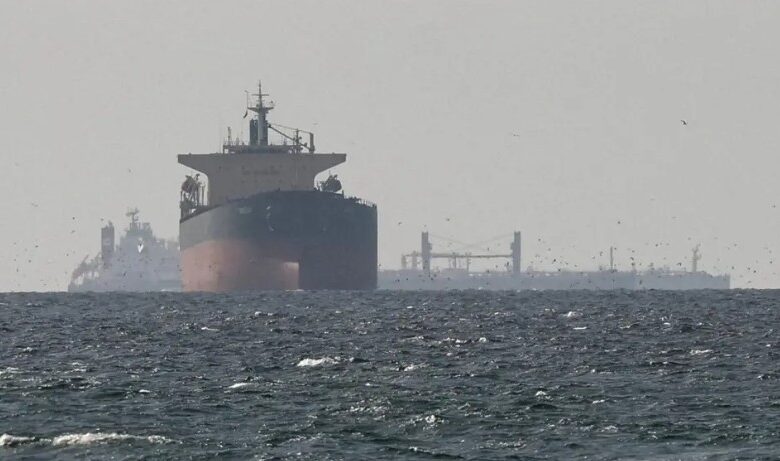
Global powers have reacted sharply to the United States’ reported plan to block Iranian ports and restrict movement through the Strait of Hormuz, with multiple countries calling for restraint and restoration of safe navigation in one of the world’s most critical maritime routes.
The developing situation has triggered coordinated diplomatic responses, highlighting growing concern over disruptions to global energy supply chains and maritime security.
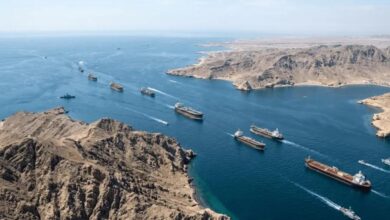
The Strait of Hormuz, through which nearly one-fifth of global oil trade passes, has emerged as a central flashpoint in the ongoing US–Iran tensions, with its potential closure sending shockwaves across international markets.
The United Kingdom and France have moved to take a leadership role, announcing plans to convene a multinational summit aimed at safeguarding international shipping.
UK Prime Minister Keir Starmer described the disruption as “deeply damaging,” stressing that restoring shipping flows is essential to easing global cost-of-living pressures.
He said the UK has already engaged more than 40 countries to support efforts to ensure freedom of navigation and confirmed that London and Paris will co-host a summit to develop a coordinated international response.
China issued a strong warning against any blockade, with Defence Minister Dong Jun stating that such actions are not in the interest of the international community and asserting that the strait remains open for Chinese interests.
Beijing also pushed back against US claims regarding global willingness to reopen the route, with Foreign Ministry spokesperson Mao Ning saying the waterway had been functional before the conflict and blaming escalating tensions for its disruption.
Iran, for its part, termed any attempt to block the strait as “illegal” and warned it would amount to “piracy in international waters,” escalating rhetoric amid already heightened tensions.
French President Emmanuel Macron called for a “robust framework” to ensure long-term stability, emphasizing the need for diplomatic solutions while also stressing the importance of restoring free and unhindered navigation through the strait.
The Association of Southeast Asian Nations (ASEAN) also urged both the United States and Iran to de-escalate and ensure uninterrupted movement of vessels and aircraft, highlighting concerns over energy security for member states.
While several countries stressed the importance of safe passage, many stopped short of directly confronting Washington’s proposed actions, reflecting the sensitive geopolitical balance surrounding the crisis.
The current escalation follows the outbreak of conflict between the United States and Iran in late February, with the Strait of Hormuz becoming a key strategic pressure point.
The potential disruption has already contributed to rising oil prices and increased economic strain globally, as countries grapple with the ripple effects on fuel costs and supply chains.
With diplomatic efforts intensifying, attention is now focused on whether coordinated international action can prevent further escalation and restore stability in the region.
© Kashmir News Trust (KNT). Unauthorized use without attribution is prohibited.