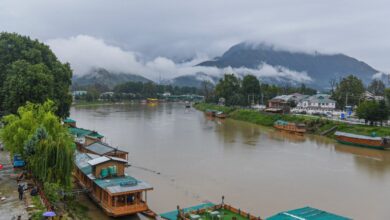
From Wooden Poles to Steel Structures: Has Kashmir’s Power Infrastructure Become More Dangerous in Wet Weather?

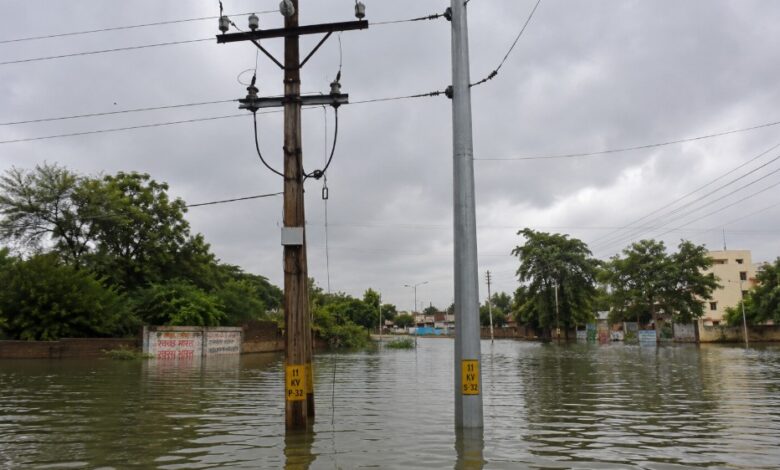
The tragic death of an elderly woman in Srinagar after allegedly coming into contact with an electric pole amid waterlogged conditions has once again raised uncomfortable questions about public safety and the suitability of infrastructure in Kashmir’s unique climate.
For decades, Kashmir’s electricity network largely relied on wooden poles. While wooden poles had their own shortcomings, they possessed one inherent advantage: wood is a poor conductor of electricity. Over the years, these poles have increasingly been replaced by steel structures as part of modernization efforts.
The transition may have improved durability and reduced maintenance in some respects, but it also calls for far greater attention to earthing, insulation, leakage detection and periodic safety audits. Steel poles are safe when properly maintained, but they can become dangerous if faults develop and remain undetected.
Unlike many parts of the country, Kashmir experiences prolonged periods of rain, snowfall, slush and waterlogging. During heavy downpours, lanes and roads often remain submerged for hours. In winter, snow and moisture place additional stress on electrical infrastructure. These climatic realities make public safety a far more pressing concern.
The question, therefore, is not whether steel poles should be removed or replaced. The real question is whether the existing infrastructure is being inspected, tested and maintained with Kashmir’s weather conditions in mind.
Are electric poles routinely checked for leakage current before the rainy season? Are earthing systems tested periodically? How many complaints regarding damaged or unsafe poles are received each year, and how quickly are they addressed? These are questions that deserve answers.
The recent fatality should serve as a reminder that modernization is not merely about replacing old infrastructure with new. It is equally about ensuring that infrastructure remains safe for the people who use it every day.
As Kashmir continues to urbanize and upgrade its public utilities, authorities must place equal emphasis on safety audits, preventive maintenance and climate-specific engineering solutions. Public confidence in essential services depends not only on efficiency, but also on safety.
A single preventable death is one too many. If the recent tragedy leads to a comprehensive review of electrical safety across urban and rural Kashmir, some good may yet emerge from an otherwise devastating loss.
© Kashmir News Trust (KNT). Unauthorized use without attribution is prohibited.