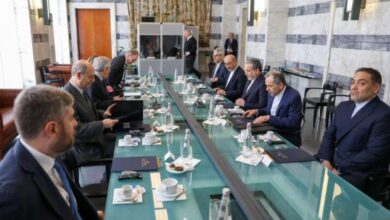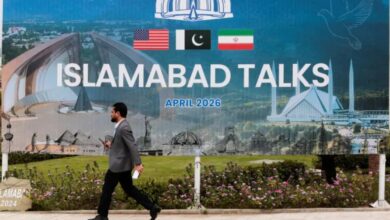
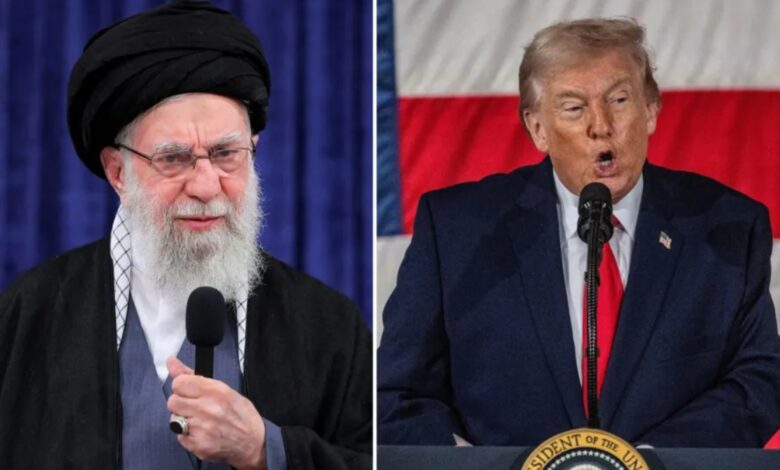
The latest round of talks between the United States and Iran ended without agreement, once again exposing the deep-rooted disputes that have repeatedly derailed diplomatic efforts between the two countries.
The failure underscores a pattern seen over years of negotiations, where progress is blocked not by a single issue but by a cluster of fundamental disagreements that neither side appears willing to compromise on.
At the center of the deadlock is Iran’s nuclear program. The United States has consistently sought strict limits on uranium enrichment and guarantees that Tehran will not develop nuclear weapons. Iran, however, maintains that its nuclear program is for civilian purposes and insists on its right to enrich uranium under international agreements. This core disagreement remains the most significant obstacle in any negotiation.
Sanctions relief forms another major sticking point. Iran has repeatedly demanded the lifting of U.S. economic sanctions and the release of frozen financial assets as a precondition for compliance. Washington, on the other hand, has linked sanctions relief to verifiable steps by Iran on nuclear restrictions, creating a cycle where each side expects concessions first.
A third point of contention is Iran’s missile program. The United States has pushed for limitations on Iran’s ballistic missile capabilities, viewing them as a threat to regional security. Iran has rejected these demands outright, arguing that its missile program is defensive and non-negotiable.
Regional influence further complicates the talks. U.S. officials have sought to address Iran’s role in conflicts and political dynamics across the Middle East. Tehran has resisted, stating that its regional policies are sovereign matters and should not be tied to nuclear negotiations.
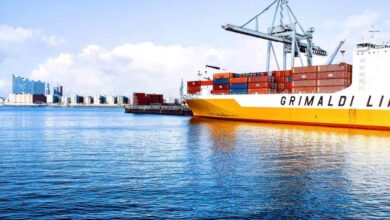
Tensions around the Strait of Hormuz add immediate urgency to the broader dispute. The waterway is a critical route for global oil shipments, and any instability in the region raises concerns about energy supply disruptions. The United States has called for assurances on the free flow of maritime traffic, while Iran has linked such guarantees to broader security and economic considerations.
US Vice President, JD Vance, said after the talks that Washington had presented a comprehensive proposal, describing it as a serious effort to reach an agreement. Iranian officials, however, characterized the same proposals as excessive, reflecting sharply divergent expectations.
Beyond policy differences, a broader trust deficit continues to undermine negotiations. Decades of tensions, including previous agreements that later unraveled, have left both sides skeptical of each other’s commitments. This lack of confidence often prevents even partial agreements from taking shape.
The current geopolitical climate has also made compromise more difficult. Ongoing regional tensions, economic pressures, and domestic political considerations in both countries have reduced the space for flexibility at the negotiating table.
Despite repeated failures, diplomatic engagement has not been abandoned entirely. Both sides have signaled openness to future talks, though without clear timelines or indications of a breakthrough.
The persistence of these disputes suggests that without a shift in approach or priorities, future negotiations may face the same challenges that have long defined U.S.–Iran relations.