
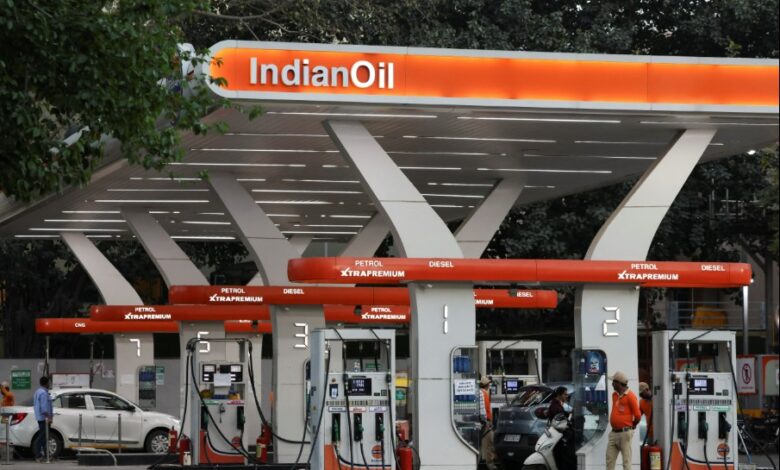
The ongoing war involving Iran has triggered a sharp surge in global crude oil prices, raising concerns over potential fuel price increases in India, even as domestic retail rates remain largely unchanged for now, officials and analysts said.
Brent crude prices have climbed to around $120 per barrel amid disruptions to oil supply routes and infrastructure in the Middle East, particularly the Strait of Hormuz, a key global shipping chokepoint.
The conflict, which began in late February, has significantly disrupted energy markets, with global oil flows affected and supply uncertainty increasing across major importing nations.
The situation matters for India because the country imports over 80 percent of its crude oil requirements, making it highly vulnerable to global price fluctuations and supply shocks.
Despite the surge in global oil prices, retail petrol and diesel prices in India have so far remained stable, with state-run oil marketing companies holding rates steady to cushion consumers from immediate impact.
However, pressure is building within the system.
Officials said the government has already taken steps to mitigate the impact, including cutting excise duties on petrol and diesel and adjusting export taxes to balance domestic supply and fiscal pressures.
Industry sources indicated that oil marketing companies are currently absorbing losses as global crude costs rise, a situation that may not be sustainable if high prices persist.
Private fuel retailers have already begun reflecting the pressure, with some increasing petrol and diesel prices by up to ₹5 per litre, marking the first significant hike since the conflict began.
Analysts said the closure or disruption of the Strait of Hormuz, through which nearly 20 percent of global oil supply passes, is a critical factor driving the current crisis.
“This is a supply shock scenario. Any prolonged disruption will directly translate into higher fuel costs for import-dependent countries like India,” an energy analyst said.
The impact is not limited to fuel prices alone.
Higher crude oil prices are expected to increase transportation and logistics costs, potentially pushing up inflation and affecting household budgets across the country.
Economic experts have warned that sustained high oil prices could slow India’s economic growth and weaken the rupee due to a rising import bill.
At the ground level, consumers have so far been shielded from immediate price shocks, though concerns are growing over possible revisions in the coming weeks if global trends continue.
“There is no increase right now, but people are worried prices may rise suddenly,” said a commuter at a petrol station in Delhi.
Globally, several countries have already witnessed sharp increases in petrol prices and even localized shortages as supply chains struggle to adjust to the crisis.
The government has maintained that fuel supplies in India remain adequate and that there is no immediate cause for concern, even as it continues to monitor global developments closely.
The Iran conflict has emerged as one of the most significant disruptions to global energy markets in recent years, with analysts warning that its duration and escalation will determine the scale of impact on fuel prices worldwide.