Oil prices declined in the past 12 hours as immediate fears of escalation in the Middle East eased, while diplomatic efforts are set to gain momentum with talks scheduled in Islamabad, signaling a potential shift from confrontation to negotiation.
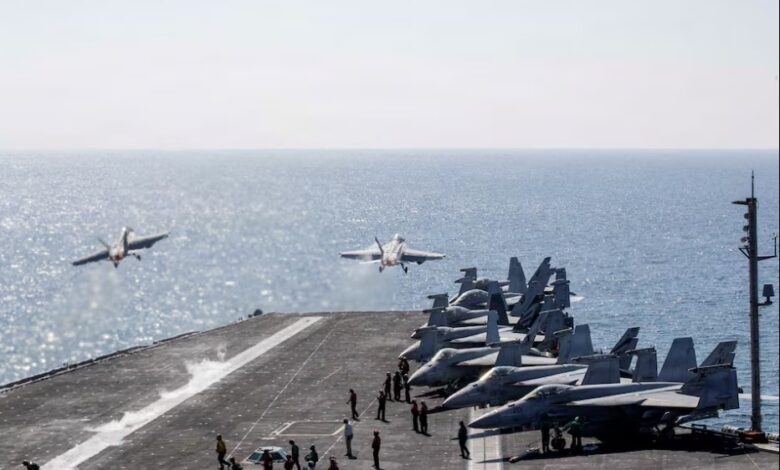
There were no confirmed reports of fresh large-scale military strikes across key conflict zones in the region during this period, indicating a relative pause in hostilities compared to previous days of heightened tension.
Market reactions reflected this cooling trend, with global oil prices moving downward after earlier volatility driven by fears of supply disruptions, particularly around critical shipping routes. Analysts typically link such declines to reduced risk perception among traders when immediate escalation appears less likely.
Read: Who Is Balen Shah? Engineer, Rapper, Mayor — Now Nepal’s Most Talked-About Leader
The absence of new flashpoints in the last 12 hours has contributed to a temporary stabilization in global markets, although the broader situation remains fragile.
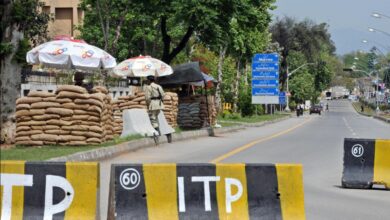
Diplomatic developments are now in focus, with talks scheduled in Islamabad expected to address ongoing tensions and explore pathways toward de-escalation. While details regarding participants and agenda have not been officially disclosed, the meeting is being viewed as part of broader efforts to contain instability.
Officials and observers continue to describe the regional situation as sensitive, with underlying tensions unresolved despite the lack of immediate conflict activity.
The shift toward dialogue comes at a time when global stakeholders are closely monitoring both security developments and economic indicators, particularly energy markets, which remain highly responsive to geopolitical signals.
Further updates are expected following the Islamabad talks, which could provide clearer direction on whether the current pause in hostilities will translate into a more sustained de-escalation.