Spain has blocked its airspace for United States military aircraft linked to operations against Iran and restricted access to key bases, in a move that signals a sharp divergence with Washington over the ongoing conflict, according to media reports.
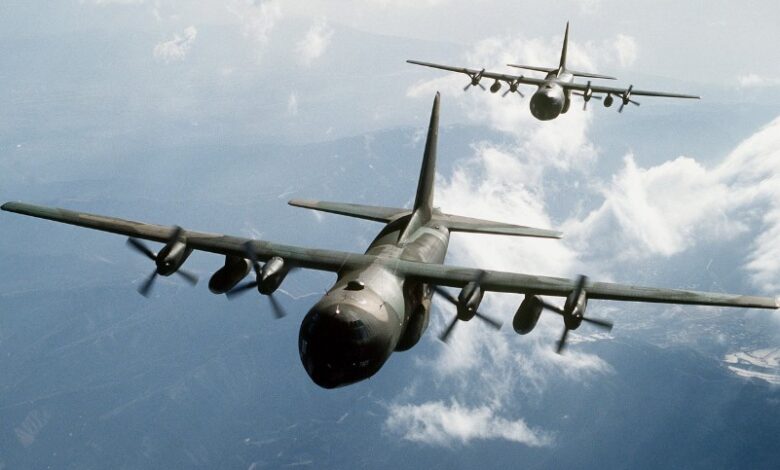
The decision, reported by Spanish news agency EFE and cited by other outlets, applies to US flights associated with the military campaign and includes aircraft operating from other European bases seeking transit through Spanish airspace.
Reports said Spanish authorities have also denied access to the strategically important Rota and Morón bases, which are jointly operated under bilateral agreements between Spain and the United States.
According to El Pais, the restrictions extend beyond direct US deployments and affect broader logistical routes traditionally used for operations in the Middle East.
Reuters, citing El Pais, reported that emergency situations would remain exempt, but routine military movements would be required to avoid Spanish territory.
Spanish officials framed the decision as part of a broader policy position opposing the conflict.
Economy Minister Carlos Cuerpo said the move aligns with the government’s stance of not participating in or supporting what he described as a unilateral war lacking international legal basis.
Prime Minister Pedro Sánchez has been among the more vocal European leaders criticising US and Israeli strikes on Iran, previously describing them as unlawful and destabilising.
The restrictions are expected to complicate US military logistics, potentially forcing aircraft to reroute around Spain, a NATO member that has long played a strategic role in transatlantic defence operations.
Analysts say the decision could also strain diplomatic ties between Madrid and Washington, particularly as the United States continues operations in the region.
SPAIN’S STAND — OPPOSITION TO US–ISRAEL ACTIONS
- Spain has emerged as one of the most vocal European critics of US and Israeli military actions in Iran.
- Prime Minister Pedro Sánchez has described the strikes as “reckless” and lacking international legal basis.
- Madrid has refused to support or participate in the ongoing military campaign.
- The government has framed its position around:
- International law compliance
- De-escalation and diplomacy
- Avoidance of unilateral military action
- Spain’s decision to restrict US military access reflects a policy of non-alignment with the intervention.
- Economy Minister Carlos Cuerpo said the government will not contribute to a war it considers unilateral.
- Spain’s stance contrasts with some NATO allies, highlighting growing divisions within Western bloc over the conflict.
- Madrid continues to advocate for dialogue-based resolution rather than military escalation.
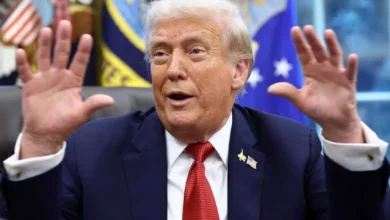
US President Donald Trump has previously criticised Spain’s position, amid reports of possible economic countermeasures.
The reported denial of access to Rota and Morón bases marks a significant development, given their established role in supporting US military presence and operations.
Spain’s position highlights broader divisions among Western allies over the Iran conflict, with some countries expressing opposition to direct involvement while others continue to support military action.
The situation underscores growing diplomatic complexity within alliances as the conflict evolves.