Expired Dates Worth ₹50 Lakh Seized in India’s Kanpur
10,000 Kg of Dates Meant for Market Seized in Major Crackdown

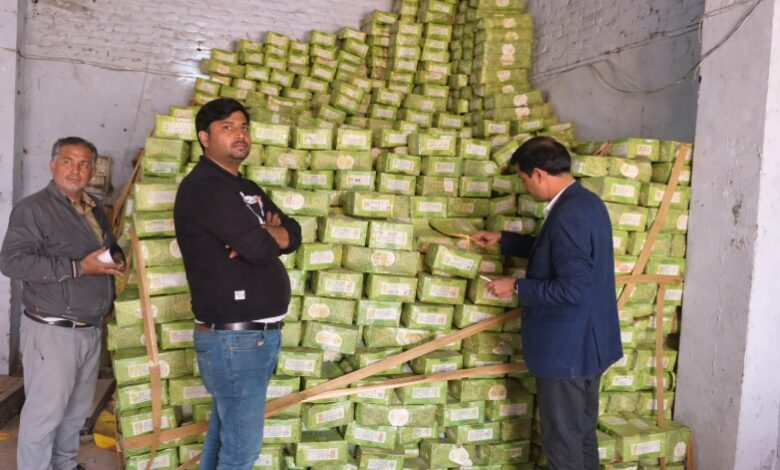
Kanpur, Feb 22, KNT: In a major crackdown during the holy month of Ramadan, the Food Safety and Drug Administration department in Uttar Pradesh’s Kanpur city seized nearly 10,000 kilograms of dates valued at over ₹50 lakh after uncovering an alleged relabelling racket.
Officials said the consignment, stored in a warehouse, had originally expired in 2022. However, during inspection, authorities found that fresh stickers showing a revised expiry date of 2026 were being pasted on the packets to facilitate their sale in the market.
Acting on specific inputs, a team of food safety officers raided the premises and discovered a large quantity of packaged dates stacked inside the godown. Preliminary investigation revealed that the expired stock was allegedly being prepared for distribution in view of increased demand during Ramadan, when dates are widely consumed to break the fast.
An official associated with the raid said samples have been collected and sent for laboratory testing. Legal proceedings under relevant provisions of the Food Safety and Standards Act have been initiated against those involved. Authorities are also probing the supply chain to identify distributors and retailers who may have received the stock.
The department stated that strict action will be taken against any trader found endangering public health by selling expired or adulterated food products. Locals have been urged to check manufacturing and expiry dates before purchasing packaged food items, especially during the festive season.
Further investigation is underway to determine the scale of the operation and whether similar consignments were circulated in nearby districts. [KNT]
© Kashmir News Trust (KNT). Unauthorized use without attribution is prohibited.