BJP uproar over statehood resolution, Randhawa marshalled out of J&K Assembly


Srinagar, Sep 25, KNT: The Jammu and Kashmir Legislative Assembly witnessed a major uproar on Friday after BJP members objected to a reference to the 2000 autonomy resolution in a statehood resolution moved by Chief Minister Omar Abdullah.
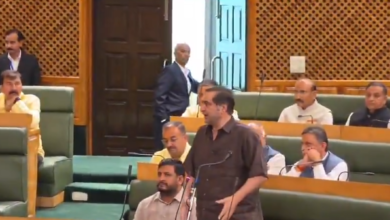
BJP legislators entered the Well of the House and raised slogans after Abdullah moved the resolution seeking immediate and urgent restoration of full statehood to Jammu and Kashmir.
The BJP objected particularly to the reference to the resolution passed by the House on June 26, 2000, when Jammu and Kashmir was a state.
The disruption continued despite repeated appeals by Speaker Abdul Rahim Rather to the protesting members to return to their seats.
BJP MLA R S Pathania said the party would not allow a discussion on autonomy in the House. Some BJP members tore copies of the resolution during the protest.
The situation escalated as members from the Treasury benches and the Opposition exchanged slogans.
BJP MLA Vikram Randhawa was subsequently marshalled out of the House amid the continuing disruption.
The Speaker later adjourned the House for half an hour to restore order.
The resolution moved by Abdullah calls for immediate and urgent restoration of full statehood and says it should be forwarded to the Government of India. It also refers to resolutions passed by the Assembly on June 26, 2000, and November 6, 2024.
The 2000 resolution had sought restoration of greater autonomy to Jammu and Kashmir, while the November 2024 resolution sought restoration of special status and constitutional guarantees.
The BJP’s objection centered on the inclusion of the 2000 resolution in the present statehood resolution, while the ruling benches defended the reference.
The disruption came during the Assembly’s ongoing autumn session, which is scheduled to continue until September 30. [KNT]
© Kashmir News Trust (KNT). Unauthorized use without attribution is prohibited.