Iran on Thursday described United States demands to end the ongoing conflict as “maximalist and irrational,” while firmly denying that any direct negotiations were underway on a ceasefire, amid intensifying hostilities across the Middle East.
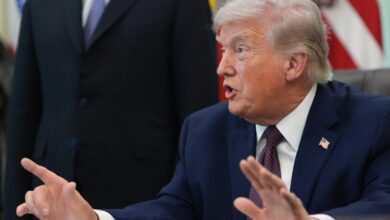
The remarks came hours before US President Donald Trump was scheduled to deliver a national address outlining Washington’s war strategy and conditions for ending the conflict, which has triggered global concern over energy security and regional stability.
The dispute highlights a widening diplomatic deadlock between Tehran and Washington at a time when the conflict has already disrupted global oil supplies and raised fears of a broader regional escalation. Analysts say the failure to reach common ground on ceasefire terms risks prolonging the war, with significant humanitarian and economic consequences.
Iranian foreign ministry spokesman Esmaeil Baqaei said messages had been exchanged through intermediaries, including Pakistan, but stressed that “there is no direct negotiation with the US.”
He accused Washington of presenting conditions that were “maximalist and irrational,” rejecting claims by US officials that talks were progressing or that Tehran had sought a ceasefire.
Also Read: Information War Intensifies as Iran Amplifies Narrative of Resistance Globally
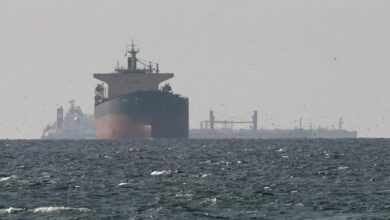
The US proposal, conveyed through mediators, reportedly includes sweeping demands such as halting uranium enrichment, dismantling key nuclear facilities, curbing ballistic missile programmes and reopening the Strait of Hormuz, a vital global oil shipping route.
President Trump, however, has insisted that any ceasefire would depend on Iran reopening the strategic waterway, warning that military action would continue until that condition is met.
In statements ahead of his address, Trump said the United States would continue to strike Iran “until the Strait of Hormuz is open,” escalating rhetoric that has drawn criticism internationally and raised fears of further military escalation.
Iranian officials responded by signalling readiness for a prolonged conflict, warning they were prepared for “any attack,” including a potential ground invasion.
The exchange underscores a broader pattern of conflicting narratives between the two sides. While Washington has claimed progress in negotiations and even suggested Iran had sought a ceasefire, Tehran has repeatedly denied such assertions, calling them inaccurate and politically motivated.
The war, now several weeks old, has already caused significant casualties and widespread destruction, with missile and drone strikes reported across multiple countries in the Gulf region.
Global markets have also been affected, with oil prices rising sharply due to disruptions in the Strait of Hormuz, through which a significant portion of the world’s energy supply passes.
International actors, including European and regional powers, have called for renewed diplomatic efforts, but negotiations remain stalled due to deep disagreements over the terms of a ceasefire and the broader security framework.
The current crisis has its roots in long-standing tensions over Iran’s nuclear programme and regional influence, with the United States demanding sweeping concessions in exchange for sanctions relief and an end to military operations.
Iran, however, has maintained that any agreement must be balanced and respect its sovereignty, rejecting what it describes as one-sided conditions imposed under military pressure.
With both sides holding firm positions and continuing military operations, prospects for a near-term resolution remain uncertain, raising concerns of a prolonged conflict with far-reaching global implications.