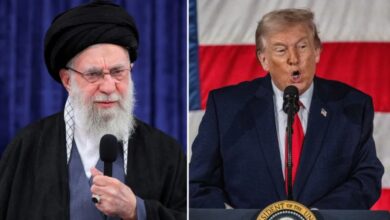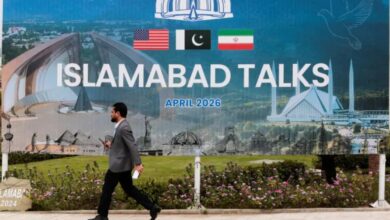
Escalating tensions between the United States and Iran are raising fresh concerns over global oil supply, with analysts warning that instability in the Gulf region could disrupt energy markets and impact fuel prices worldwide.
The latest breakdown in diplomatic talks has added to uncertainty around the security of key maritime routes, particularly the Strait of Hormuz, a narrow passage through which a significant portion of the world’s oil supply is transported.
The situation matters beyond the immediate region because global energy markets remain highly sensitive to disruptions in supply chains. Even the perception of risk in major oil transit routes can influence prices, shipping costs, and broader economic conditions.
At the center of these concerns is the Strait of Hormuz, which connects the Persian Gulf to international waters and serves as a vital artery for oil exports from major producers. Any disruption in this corridor could affect shipments to Asia, Europe, and other regions heavily dependent on imported energy.
The United States has emphasized the importance of ensuring the free flow of maritime traffic through the route, while Iran has linked its position on maritime security to broader political and economic considerations. This divergence has contributed to ongoing uncertainty.
Energy markets typically respond quickly to geopolitical developments in the region. Rising tensions often lead to increased price volatility, as traders factor in the possibility of supply disruptions. This can translate into higher fuel costs for consumers and increased operational expenses for industries reliant on energy.
The implications extend to major economies, including countries that depend heavily on imported oil. Any sustained increase in prices could influence inflation, trade balances, and economic planning.
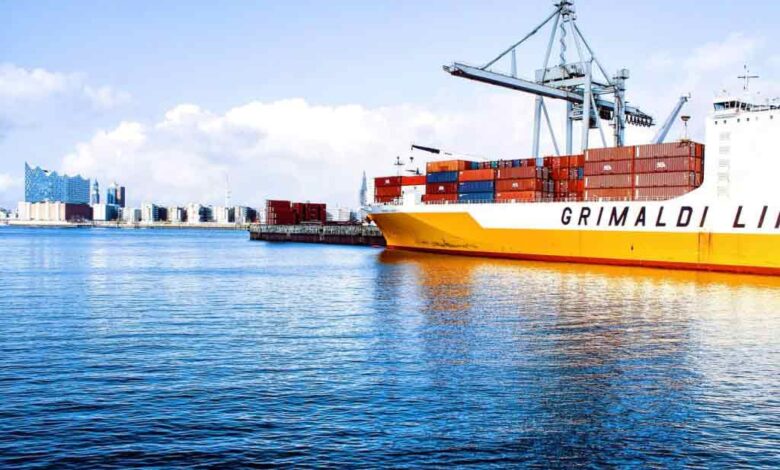
In addition to pricing concerns, shipping risks have also come into focus. Increased security threats or restrictions in key waterways can lead to higher insurance costs for vessels, delays in shipments, and rerouting of trade flows, all of which add to global economic pressure.
JD Vance, reiterated the need for stability in the region following the latest round of talks, while Iranian officials emphasized their position on sovereignty and security, reflecting ongoing differences that continue to shape the situation.
The broader context of geopolitical tensions in the Middle East adds to the complexity of the issue. Multiple regional actors, existing conflicts, and strategic rivalries contribute to an environment where even localized incidents can have far-reaching consequences.
Despite these risks, global markets have shown resilience in the face of past disruptions, often stabilizing once immediate threats subside. However, the current situation underscores the fragile balance that underpins global energy supply chains.
As diplomatic efforts remain uncertain, the trajectory of U.S.–Iran relations will continue to play a significant role in shaping energy markets, with potential implications for economies and consumers worldwide.