The United States and Iran have issued conflicting statements regarding potential talks amid the ongoing war, with President Donald Trump saying he had delayed threatened strikes after “productive” contacts with Tehran, while Iranian officials denied any such discussions.
The divergence highlights deep uncertainty over whether diplomatic channels are opening between the two adversaries at a time of heightened regional tensions and volatile global energy markets.
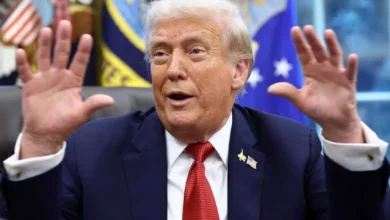
Speaking in Washington, Trump said he had postponed previously threatened strikes on Iranian power plants following what he described as constructive engagement. “We’ve had productive conversations,” he said, suggesting a possible shift toward diplomacy.
However, Iran’s Parliament Speaker dismissed the claim, calling reports of any talks “fake news” and insisting that no direct discussions with the United States had taken place.
An Iranian foreign ministry official, quoted by US broadcaster CBS, said Tehran had received “points from the US” through mediators, indicating indirect communication that could potentially lead to formal talks.
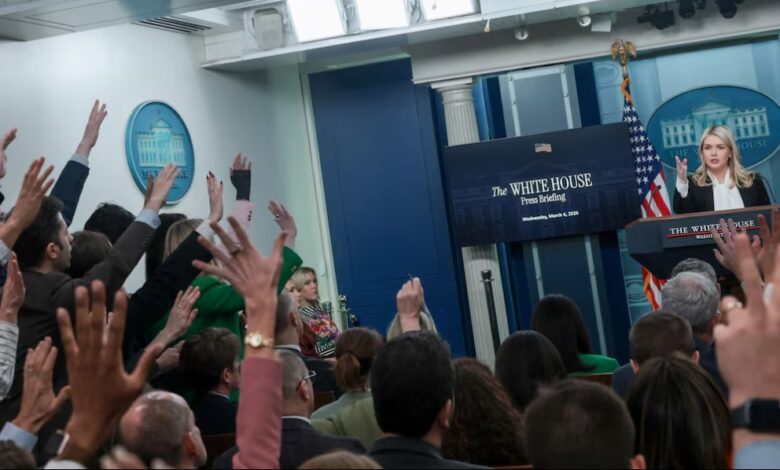
The White House, meanwhile, sought to temper expectations, saying speculation about meetings “should not be deemed as final,” according to officials cited by Washington-based correspondents.
Officials and analysts said the mixed messaging reflects a complex strategy by both sides, combining signals of engagement with public denials, possibly aimed at managing domestic and international perceptions.
“The messaging is deliberately ambiguous,” a US-based analyst said, noting that both countries have historically used intermediaries to explore diplomatic options while avoiding direct acknowledgment.
Trump’s recent actions have combined diplomatic outreach with strategic posturing, according to observers, as Washington weighs military options against the risks of broader escalation.
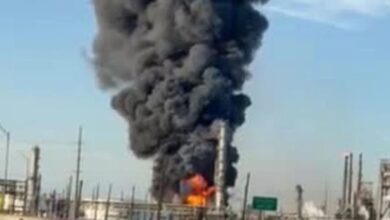
The developments come as global oil markets reacted sharply to the uncertainty, with prices climbing back above $100 a barrel after a brief drop earlier in the week.
Energy analysts said the fluctuation reflects investor concerns over potential disruptions in supply if tensions escalate further in the region, which remains a key hub for global oil production.
“The market is highly sensitive to any signal from the US-Iran dynamic,” an energy market expert said. “Even the possibility of strikes or negotiations can trigger significant price swings.”
Public reaction in both countries has been cautious, with no immediate confirmation of any formal diplomatic breakthrough.
“There is confusion over what is really happening,” said a Tehran-based resident, reflecting broader uncertainty among the public.
The United States and Iran have had no formal diplomatic relations for decades, relying instead on intermediaries for communication during periods of crisis.
Past attempts at engagement have often been marked by similar contradictions, with public statements diverging sharply from behind-the-scenes contacts.
The current episode underscores the fragile and unpredictable nature of US-Iran relations, where diplomacy and confrontation often unfold simultaneously, leaving the trajectory of the conflict uncertain.