When Patriotism Becomes a Box Office Formula to Mint Money
Several producers and directors have, in effect, tapped into what appears to be a cinematic gold mine.

In recent years, patriotism has steadily transformed from an emotional undercurrent in Indian cinema into a full-fledged commercial formula. What was once a theme handled with restraint and depth is now increasingly packaged as a high-return genre — one that guarantees attention, revenue and mass appeal.
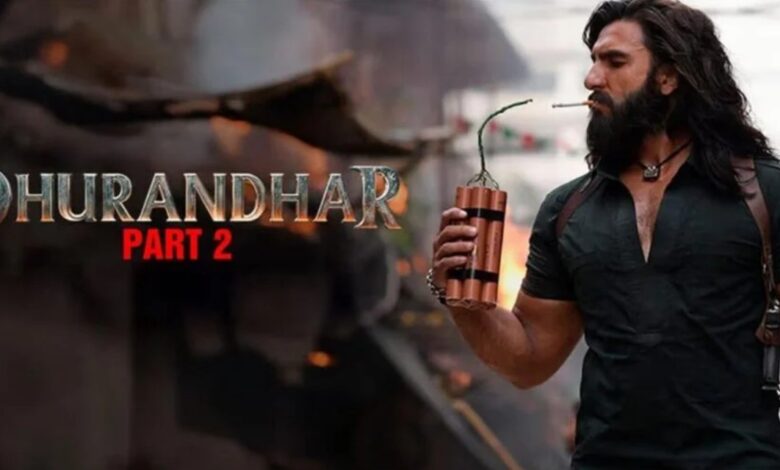
The rapid release of films like Dhurandhar and Dhurandhar: The Revenge, directed by Aditya Dhar, within a span of just a few months, raises important questions. Such a short turnaround is unusual for large-scale productions, suggesting that these projects may be designed less as standalone cinematic works and more as calculated extensions of a successful narrative template.
This trend reflects a larger shift in the industry. Patriotism today is not merely a storytelling element — it is increasingly a marketable product. Grand visuals, high-pitched dialogues and simplified narratives of national pride are often prioritised over nuance and complexity. The result is a genre that is emotionally powerful, but at times, selectively constructed.
I thought only Dhruv rathee found it fake
But Now Arnab also shouts the same…Will bhakths abuse him as much as they did to Dhruv..???#Durandhar2
— G3 (@gayatri008_16) March 19, 2026
Several producers and directors have, in effect, tapped into what appears to be a cinematic gold mine. Films built around nationalistic themes have consistently drawn large audiences, translating into significant financial gains. In this environment, patriotism — or at least its cinematic portrayal — risks being reduced to a commercially exploitable tool.
Critics argue that such portrayals often blur the line between storytelling and messaging. Complex realities may be condensed into binary narratives of heroism and conflict, leaving little room for layered perspectives. The concern is not the presence of patriotism itself, but its repeated use in forms that may be questionable in depth and intent.
At the same time, it would be simplistic to dismiss the entire genre. Audience demand plays a crucial role. The strong reception of such films indicates that viewers are drawn to stories that evoke identity, pride and collective emotion. Filmmakers, in turn, respond to what the market rewards.
Yet, the central question remains: when does patriotism stop being a theme and start becoming a formula?
The answer lies perhaps in balance. Cinema has the power to inspire, inform and provoke thought. But when any theme — however noble — is repeatedly repackaged for commercial success, it risks losing its authenticity.
As the industry continues to evolve, the challenge will be to ensure that patriotism on screen remains meaningful storytelling, not merely a reliable pathway to profit.