Zero Trust: Iran–United States Talks Collapse Over Nuclear Dispute, Sanctions Standoff in Islamabad

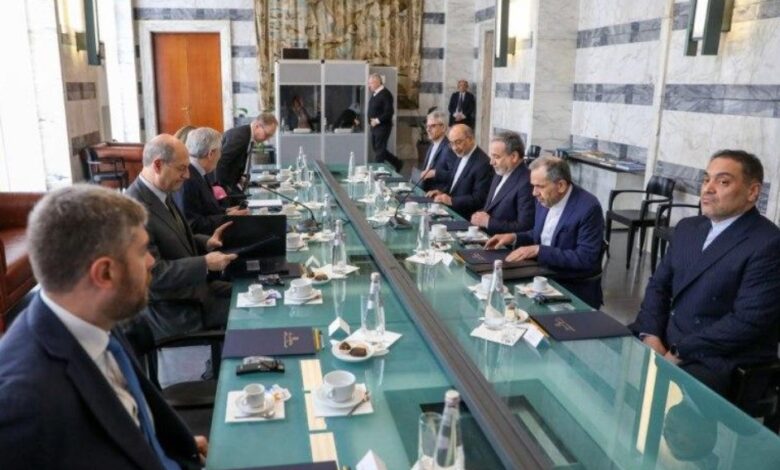
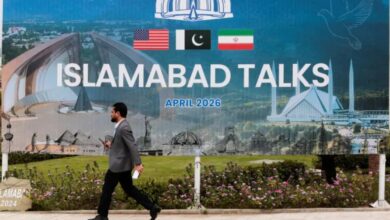
Talks between Iran and the United States ended without agreement after nearly 21 hours of negotiations in Islamabad, with both sides failing to resolve key differences over Iran’s nuclear program, sanctions relief, and regional security issues.
The collapse of the discussions underscores persistent mistrust between Washington and Tehran and signals continued uncertainty over diplomatic efforts to ease tensions that have escalated in recent months, particularly around critical oil routes and regional stability.
At the center of the impasse was Iran’s nuclear program. The United States pressed for firm commitments that Tehran would not pursue nuclear weapons and sought strict limitations on uranium enrichment. Iran, however, maintained that its nuclear activities are for civilian purposes and insisted on retaining its right to enrich uranium under international frameworks.
The scope of the negotiations further complicated progress. U.S. officials expanded discussions to include Iran’s missile capabilities and its role in regional conflicts, demands that Tehran rejected, stating that such issues fall outside the framework of nuclear negotiations.
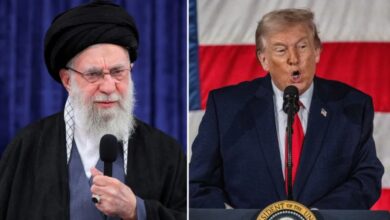
A senior U.S. representative, JD Vance, said Washington had presented what it described as a “final and best offer,” adding that the United States entered the talks “in good faith.” Iranian officials, however, characterized the proposals as excessive and unacceptable, reflecting a wide gap in expectations.
Sanctions relief emerged as another major sticking point. Iran sought the unfreezing of billions of dollars in assets held abroad, while U.S. officials denied that any such agreement had been finalized, highlighting conflicting narratives that further eroded trust between the parties.
Tensions surrounding the Strait of Hormuz also featured prominently in the talks. The United States called for assurances on the uninterrupted flow of global oil shipments through the vital maritime route, while Iran linked any commitments to broader security guarantees and economic concessions.
The negotiations took place against the backdrop of heightened regional tensions, including concerns over maritime security and the risk of escalation involving neighboring countries. Analysts note that ongoing conflict dynamics made compromise politically difficult for both sides, limiting room for concessions.
Despite the breakdown, neither side formally ruled out future engagement, though no timeline for renewed talks was immediately announced.
The latest failure highlights the enduring challenges in resolving one of the most complex diplomatic disputes in the Middle East, with implications for global energy markets and regional security.
1. Core issue: Nuclear program disagreement
- The U.S. demanded that Iran commit to not developing nuclear weapons and accept strict limits.
- Iran insisted on its right to enrich uranium and rejected giving up its program.
This remains the biggest and oldest sticking point in US–Iran relations.
2. Clash over broader military demands
The U.S. didn’t limit talks to nuclear issues alone:
- Wanted restrictions on missile program and regional activities
Iran’s position:
- No limits on missiles
- Protection of its regional influence
- Talks should not go beyond nuclear matters
Result: Talks became too wide and complicated to agree on
3. Strait of Hormuz crisis
- The U.S. wanted Iran to reopen the Strait of Hormuz (critical global oil route).
- Iran linked this to:
- Security guarantees
- Control/sovereignty issues
- Economic concessions
This became a key immediate obstacle to ceasefire progress
4. Sanctions and money dispute
- Iran expected release of frozen funds (~$6 billion)
- The U.S. denied agreeing to this
Shows deep mistrust and conflicting narratives
5. “Unrealistic / excessive demands” vs “final offer”
- U.S.: said it gave a “final and best offer”
- Iran: said U.S. demands were “excessive” or “unreasonable”
Both sides blamed each other → no middle ground
6. War context made compromise harder
- Talks happened during an ongoing conflict and fragile ceasefire
- Issues included:
- Ongoing strikes
- Oil disruption
- Regional tensions (Saudi Arabia, Lebanon)
In such conditions, political cost of compromise is very high
Bottom line
The talks failed because:
Fundamental differences + zero trust + high war pressure
In simple terms:
- U.S. wanted major concessions
- Iran wanted sovereignty and guarantees
- Neither side was willing to step back enough