Retributive Strike After Shia Mosque Blast: Pakistan Hits Suspected Militant Camps Across Afghan Border
Islamabad Calls Air Raids Response to Suicide Attacks; Kabul Says Civilians Killed

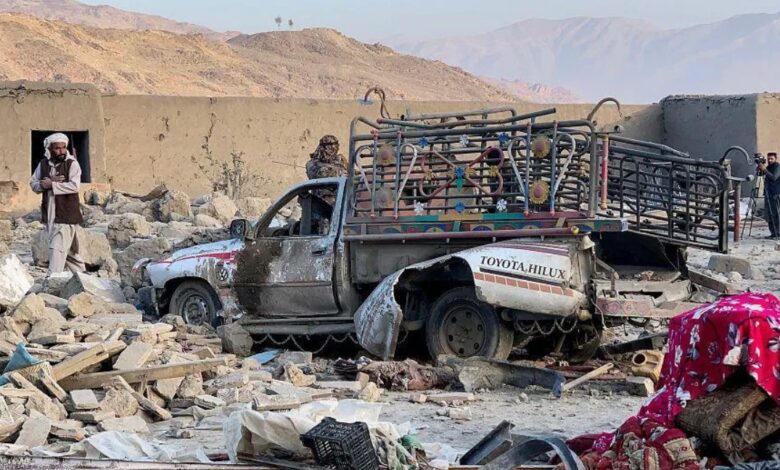
In what it described as a retributive response to the recent suicide bombing on a Shia mosque in Islamabad and other attacks inside Pakistan, Islamabad carried out multiple overnight air strikes across the Afghanistan border, targeting what it called militant camps allegedly linked to those responsible.
Pakistan’s Ministry of Information and Broadcasting said seven alleged militant camps and hideouts near the Pakistan-Afghanistan frontier were struck in intelligence-based operations. The ministry stated that the targets included members of the banned Tehreek-i-Taliban Pakistan and affiliates, as well as elements of the Islamic State-Khorasan Province.
Islamabad maintained that the strikes followed a series of suicide attacks in Pakistan, including the recent blast at a Shia mosque in the capital and other incidents reported in Khyber Pakhtunkhwa since the beginning of Ramadan. It accused the Afghan Taliban of failing to act against groups operating from Afghan territory and claimed to possess evidence linking the attacks to leadership based across the border.
The Taliban administration in Kabul condemned the strikes, terming them a violation of Afghanistan’s territorial integrity and international law. Its defence ministry said civilian areas in Nangarhar and Paktika provinces were hit and claimed that at least 18 people, including women and children, were killed.
In Girdi Kas village of Nangarhar’s Bihsud district, local accounts indicated significant casualties within a single family. Taliban spokesperson Sayed Taib Hamd alleged that 18 members of one household died in the strike.
No confirmed casualties were immediately reported from other locations, though a guesthouse and a religious school in Paktika province were said to have been targeted. Local officials stated the structures were empty at the time.
The escalation comes despite a ceasefire agreed in October following cross-border clashes. Tensions have persisted along the 1,600-mile mountainous frontier since the Taliban returned to power in 2021, with sporadic fighting and mutual accusations straining already fragile ties. [KNT]
© Kashmir News Trust (KNT). Unauthorized use without attribution is prohibited.