
Multiple geopolitical flashpoints, economic uncertainties and political confrontations are dominating international headlines, with ongoing conflicts in the Middle East and Eastern Europe continuing to impact global markets, diplomacy and public life across several countries.
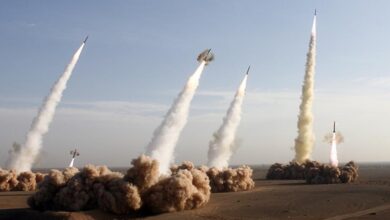
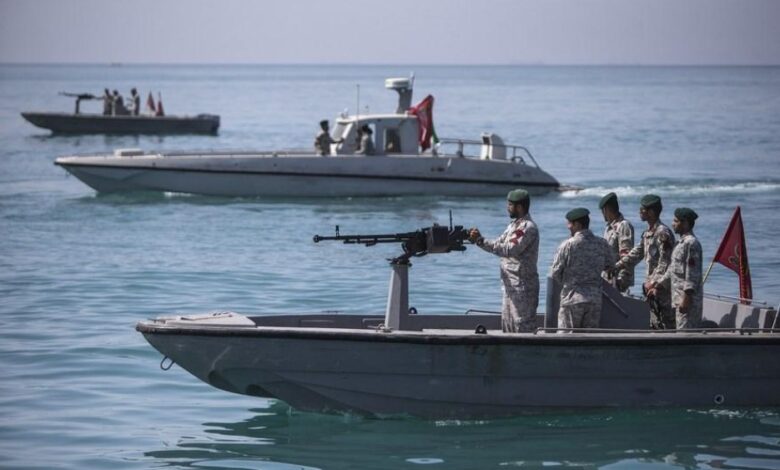
One of the biggest international developments remains the escalating tensions involving Iran, the United States and regional allies in the Middle East. Reports indicate that fragile ceasefire understandings and negotiations remain under pressure amid continued military activity and shipping disruptions around the strategically important Strait of Hormuz.
According to international reports, nearly 1,500 ships and thousands of crew members have reportedly been affected by the maritime crisis linked to tensions in the Gulf region. Concerns over oil supply disruptions have pushed energy prices upward and triggered fears of a wider global economic impact.
Global oil markets remain volatile as investors closely watch diplomatic talks involving Washington and Tehran. International media reports suggest that negotiations are continuing, though uncertainty persists over whether a long-term agreement can be reached.
Meanwhile, the Russia-Ukraine conflict continues to remain a major source of international instability. Reports indicate that both Moscow and Kyiv have accused each other of violating ceasefire arrangements ahead of Russia’s Victory Day events on May 9.
Security concerns in Europe are also rising amid political shifts and nationalist movements. In the United Kingdom, pro-independence political groups are reportedly gaining momentum in regional elections, leading to renewed debate over the future of the union.
In Asia, North Korean leader Kim Jong Un reportedly described relations with Russia as a top strategic priority, highlighting growing geopolitical alignments amid global polarization.
Technology and privacy debates are also drawing international attention. Meta recently ended end-to-end encrypted direct messages on Instagram, triggering concerns among privacy advocates and cybersecurity experts worldwide over digital surveillance and user privacy protections.
Economic uncertainty continues to affect global financial systems as central banks and investors monitor inflation, energy prices and geopolitical instability. Reports from international financial institutions and analysts indicate that fears of oil shocks and supply chain disruptions remain among the biggest risks facing world markets.
In Africa, armed attacks and misinformation-linked violence continue to create humanitarian and security concerns in several regions, including Mali and Congo, according to international reports.
The international aviation and shipping industries are also facing operational challenges linked to conflict zones, fuel prices and supply chain uncertainty. Several airlines, shipping firms and logistics operators are reportedly reassessing routes and risk exposure in sensitive regions.
Observers say the combination of wars, political polarization, energy instability and technological policy changes is contributing to a highly uncertain global environment, with governments increasingly balancing security priorities against economic pressures and domestic political challenges.
International analysts believe the coming weeks will remain crucial, particularly regarding the Middle East situation, Russia-Ukraine developments and global energy markets, all of which are expected to continue shaping diplomatic and economic trends worldwide. [KNT]
© Kashmir News Trust (KNT). Unauthorized use without attribution is prohibited.