
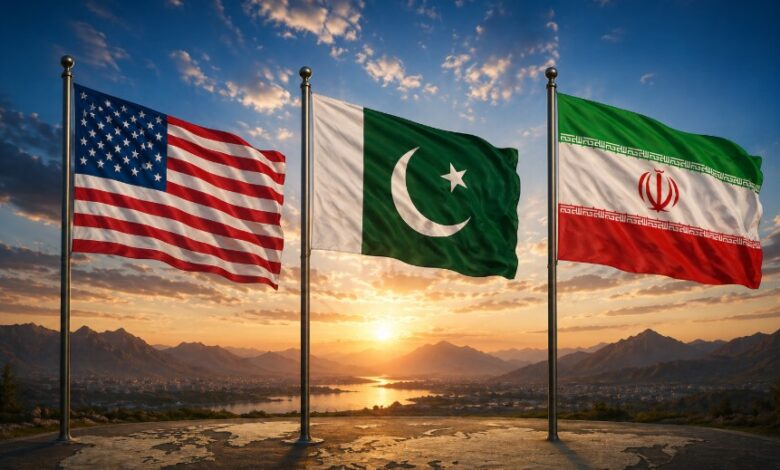
Pakistan is facilitating indirect communication between the United States and Iran following a visit by Iran’s Foreign Minister to Islamabad, where he met the country’s top leadership and conveyed Tehran’s position amid ongoing tensions with Washington.
The meetings with Prime Minister Shehbaz Sharif and army chief Asim Munir were part of a diplomatic effort focused on message exchange rather than direct negotiations, with no face-to-face engagement between U.S. and Iranian officials taking place during the visit.
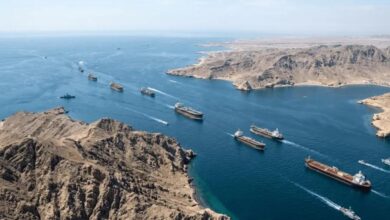
The outreach comes at a time of continued strain between Washington and Tehran over Iran’s nuclear program and maritime tensions linked to the Strait of Hormuz, a critical global energy route.
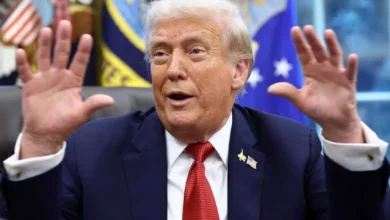
U.S. President Donald Trump canceled a planned visit by American representatives to Islamabad, with the decision linked to logistical considerations and the absence of conditions for substantive engagement.
Despite the cancellation, diplomatic contact has continued through intermediaries, with Pakistan relaying positions between the two sides. No structured negotiation round involving both countries has been formally announced.
Iran’s position was communicated during the Islamabad meetings, while the United States is understood to be assessing proposals conveyed through indirect channels.
Pakistan’s involvement at this stage is centered on facilitating communication rather than hosting formal talks. The process reflects backchannel diplomacy, allowing both sides to exchange positions without committing to direct negotiations.
Officials have not indicated that a negotiation framework has been finalized, and no joint statement or agreement has emerged from the latest engagement.
Key areas of difference continue to shape the diplomatic process:
- Iran’s nuclear program
- Security and shipping concerns in the Strait of Hormuz
Neither side has publicly signaled a shift in stance, suggesting that current efforts are focused on exploring proposals rather than concluding agreements.
While the absence of direct talks indicates limited immediate progress, the continuation of indirect engagement suggests that communication channels remain open.
Pakistan is expected to continue facilitating exchanges as both Washington and Tehran evaluate next steps, with future movement dependent on whether positions conveyed through intermediaries evolve into a basis for formal dialogue.
The situation remains fluid, with diplomatic activity ongoing and no defined timeline for direct negotiations.
© Kashmir News Trust (KNT). Unauthorized use without attribution is prohibited.