Iran’s Threat Tactics in Hormuz Create Shipping Anxiety, Global Trade Uncertainty

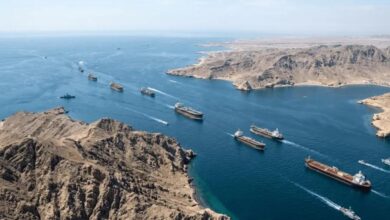
Growing tensions around the Strait of Hormuz are fueling concerns over global shipping, energy markets and digital infrastructure, with analysts arguing that Iran is increasingly relying on psychological and asymmetric tactics to exert pressure without necessarily engaging in direct military confrontation.
The debate centers on what some security observers describe as a “fear-based” deterrence strategy in the strategically vital waterway through which a significant share of the world’s oil and gas shipments passes.
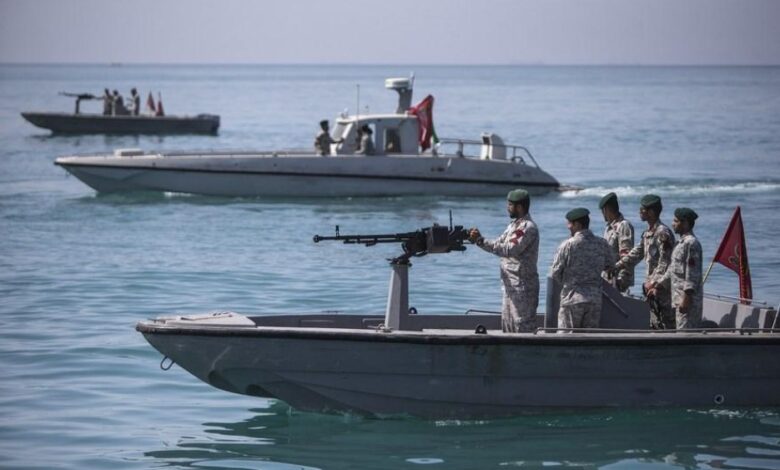
According to the assessment, Tehran does not necessarily need to launch direct attacks on cargo vessels or oil tankers to influence maritime movement. Instead, the perceived threat posed by drones, missiles, sea mines, swift boats and other asymmetric capabilities may be sufficient to increase operational risks and alter commercial behavior.
The reported strategy has contributed to concerns among shipping operators and maritime insurers, who are closely monitoring security conditions in the Gulf region.
Security analysts argue that the mere possibility of escalation can influence decisions by cargo operators and tanker companies, particularly when insurance liabilities and vessel safety are involved.
Iran’s naval capabilities, including small and heavily armed fast-attack craft often referred to as “swift boats” or elements of a “mosquito fleet,” remain central to this discussion.
These vessels, known for rapid maneuvering and harassment tactics, are viewed by some military observers as a low-cost but effective deterrent tool capable of complicating navigation and creating uncertainty for commercial captains transiting the strait.
Iran is also believed to possess reconnaissance and attack drones, unmanned maritime systems and smaller submarine assets that could potentially be deployed in maritime confrontation scenarios.
Military strategists say such capabilities form part of an anti-access and area-denial framework intended to discourage or complicate hostile military and commercial activity.
Sea mines remain another major concern.
Analysts note that even the threat of mine deployment can have disproportionate effects on commercial confidence and insurance pricing. A single successful incident involving a tanker or cargo ship could potentially trigger wider economic repercussions, including supply disruption and spikes in global oil prices.
The United States and allied navies have historically treated mine threats in Gulf waters as a serious security challenge.
The broader concern extends beyond maritime trade.
Recent reports and commentary have also focused on Iran’s reported interest in regulating or monetizing subsea communication infrastructure located within or near strategic waterways.
Subsea cables carry enormous volumes of internet and financial data linking regions across the Middle East, Europe and North America.
Some reports suggest Iranian officials and affiliated media discussions have raised the prospect of licensing frameworks or fees tied to such infrastructure, although the scope, legal basis and feasibility of such proposals remain subjects of debate.
Strategic analysts say the issue highlights how modern competition increasingly spans both physical and digital infrastructure.
Matthew Kroenig of the Scowcroft Center for Strategy and Security at the Atlantic Council, as quoted in international media reports, said continuing missile and drone threats could discourage commercial transit even if escort arrangements are available.
The evolving situation has renewed global focus on the Strait of Hormuz as both an energy chokepoint and a strategic pressure point.
Observers say the central question is no longer limited to whether direct military confrontation will occur, but whether persistent threat perceptions alone can reshape trade, insurance and geopolitical calculations in one of the world’s most sensitive maritime corridors.
© Kashmir News Trust (KNT). Unauthorized use without attribution is prohibited.