Srinagar to Host Irani Cup as J&K Take on Rest of India in Biggest Cricket Fixture in Four Decades

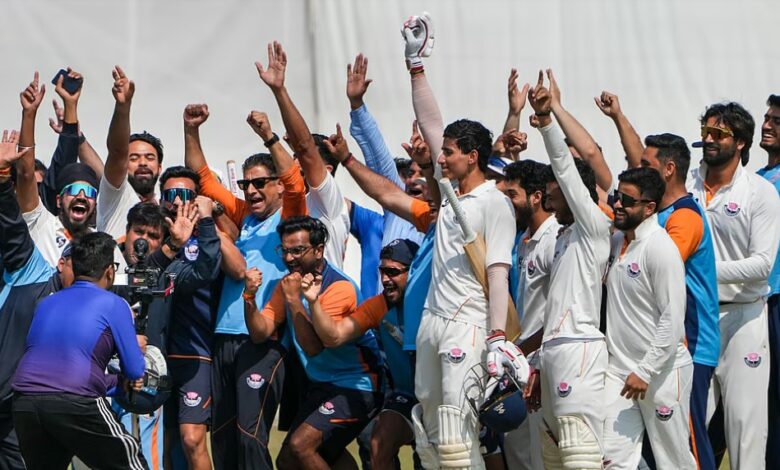
Srinagar, Aug 12, KNT: Srinagar is set to host one of the biggest cricket fixtures in Jammu and Kashmir’s sporting history, with the Sher-i-Kashmir Stadium scheduled to stage the Irani Cup between Ranji Trophy champions Jammu and Kashmir and the Rest of India from October 1 to 5.
The Board of Control for Cricket in India has included the fixture in its official 2026-27 domestic calendar, while its venue document lists Srinagar/Jammu for the Irani Cup. Reports following the announcement have identified the Sher-i-Kashmir Stadium in Srinagar as the venue.
The match will bring the Rest of India side to Kashmir to face Jammu and Kashmir, that won their maiden Ranji Trophy title in the 2025-26 season. The fixture is part of the BCCI’s senior men’s red-ball calendar and is scheduled immediately ahead of the new Ranji Trophy season.
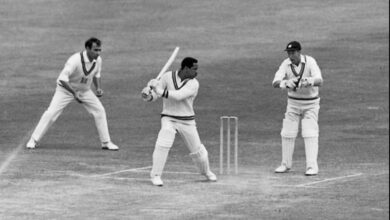
The significance of the occasion goes beyond the fixture itself. Sher-i-Kashmir Stadium has hosted only two One-Day Internationals in its history. India played West Indies at the venue in October 1983, before India and Australia met there in September 1986.
The 1986 India-Australia ODI was the last international match played at the Srinagar venue, meaning the Irani Cup will bring a major nationally recognised cricket fixture back to the stadium after roughly four decades.
For Jammu and Kashmir cricket, the fixture carries additional significance following the team’s breakthrough Ranji Trophy triumph earlier this year. The Irani Cup traditionally pits the reigning Ranji champions against a Rest of India side assembled from leading domestic players, giving the J&K team an opportunity to test itself against some of the country’s strongest red-ball cricketers.
The BCCI has scheduled the match as a five-day fixture from October 1 to 5, placing Srinagar on the national domestic cricket calendar at a time when J&K cricket is enjoying its strongest competitive moment after winning the Ranji Trophy.
The return of a major BCCI fixture to Srinagar also marks a significant moment for the Sher-i-Kashmir Stadium, which has remained largely outside the circuit of India’s highest-profile cricket fixtures since international cricket was last played there in the 1980s.
The Irani Cup will therefore not be just another domestic fixture for Kashmir. It will bring the region’s newly crowned Ranji champions onto their home ground against the Rest of India, in a match that is set to revive memories of the international cricket staged at the same venue four decades ago. [KNT]
© Kashmir News Trust (KNT). Unauthorized use without attribution is prohibited.