
Meet Benjamin Netanyahu Whose Stand Puts Global Peace at Risk
History, regardless of what his supporters claim, will remember him as a leader accused of presiding over immense loss of civilian life and leaving countless children orphaned.

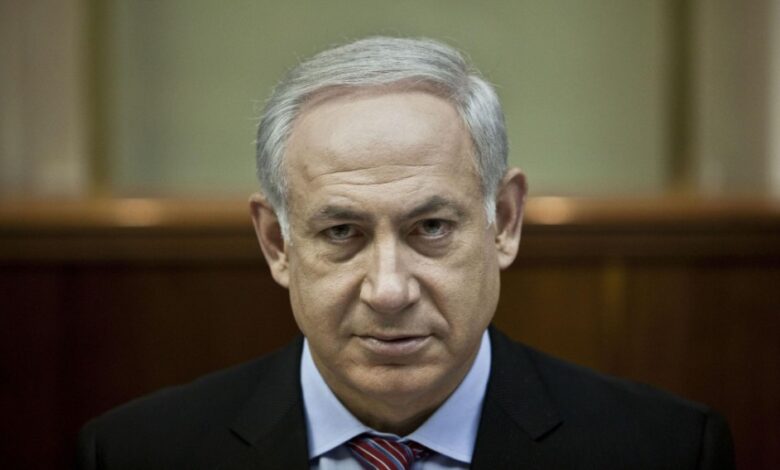
Benjamin Netanyahu was born on October 21, 1949, in Tel Aviv, into a family deeply shaped by history, nationalism, and intellectual rigor—factors that would later define both his worldview and political trajectory.
Family Background: Ideology Begins at Home
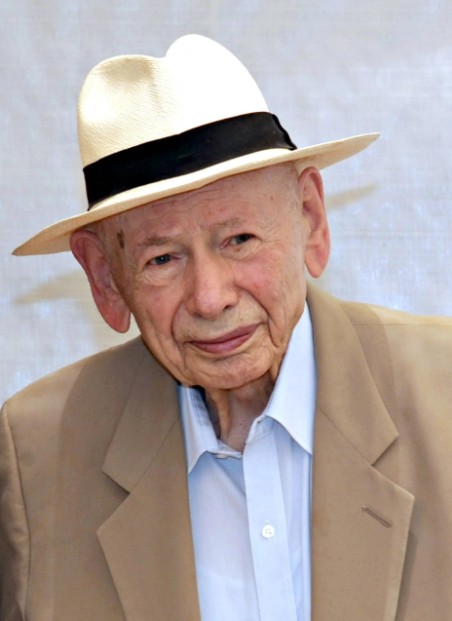
Netanyahu’s father, Benzion Netanyahu, was a prominent historian and a staunch advocate of Revisionist Zionism, a right-wing ideological movement that emphasized Jewish nationalism, territorial claims, and a hardline security approach.
Benzion’s academic work focused on Jewish history, persecution, and survival, reinforcing a worldview that saw existential threats as constant and unavoidable. This intellectual environment deeply influenced Netanyahu’s thinking from an early age.
His mother, Tzila Segal, was educated and supportive of academic pursuits, contributing to a household that valued discipline, scholarship, and national identity.
Netanyahu was the second of three brothers, including Yonatan Netanyahu, a celebrated Israeli military officer killed during the Entebbe rescue operation in 1976—an event that profoundly shaped Benjamin Netanyahu’s emotional and ideological outlook.
Early Life: Between Israel and the United States
Netanyahu spent part of his childhood in the United States, where his father held academic positions. He attended high school in suburban Philadelphia, gaining fluency in English and exposure to Western political thought.
This dual upbringing—Israeli nationalism at home and American cultural exposure abroad—gave Netanyahu a unique ability to operate comfortably in both Israeli and global political environments.
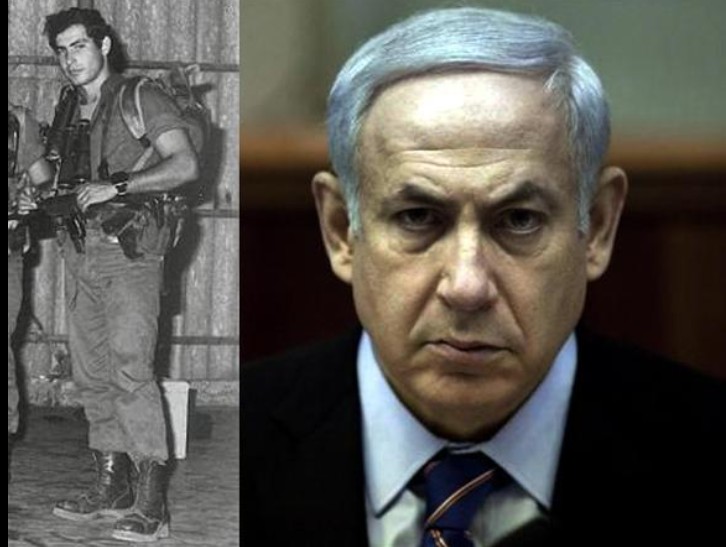
It also shaped his communication style, often described as Americanized, strategic, and media-savvy, which later became a defining feature of his political career.
Education: Strategic Thinking and Economics

Netanyahu returned to the United States for higher education, enrolling at the Massachusetts Institute of Technology, where he studied architecture and later economics and management.
At MIT, he developed a strong interest in free-market economics, strategic policy, and international relations, ideas that would later underpin his economic reforms and global positioning of Israel.
He also studied at Harvard briefly and worked at consulting firms, gaining exposure to corporate strategy and global economic systems.
Military Experience: Formation of Security Doctrine
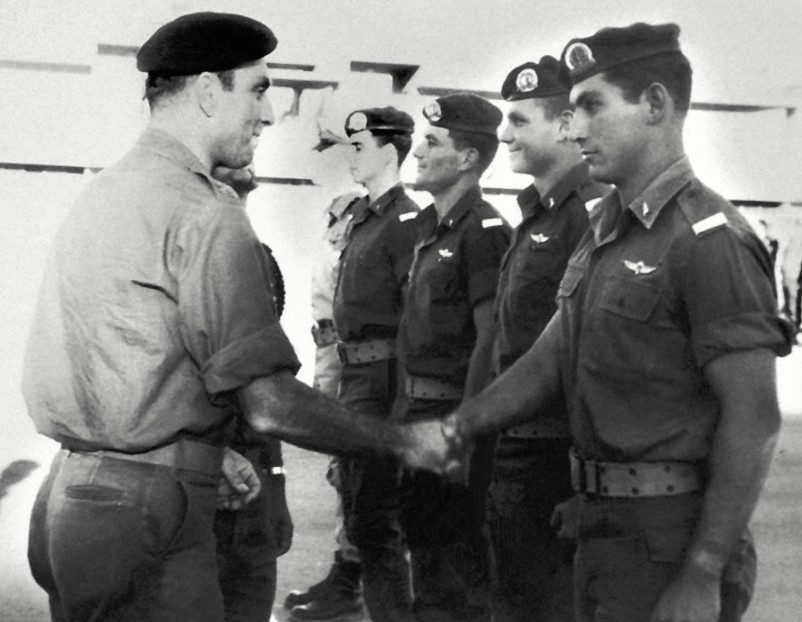
Before and between his studies, Netanyahu served in the elite Israeli special forces unit Sayeret Matkal, one of the most prestigious and secretive units in the Israeli military.
He participated in several operations and was wounded in combat. This experience reinforced a worldview centered on preemption, deterrence, and survival through strength.
The loss of his brother Yonatan, a national hero, further cemented Netanyahu’s belief in the necessity of military readiness and uncompromising security policies.
Ideological Roots: Security, Nationalism, Survival
Netanyahu’s ideology is shaped by three core influences:
1. Revisionist Zionism (from his father)
- Strong Jewish state identity
- Territorial assertiveness
- Skepticism toward compromise
2. Military experience
- Security-first doctrine
- Belief in strength as deterrence
- Distrust of adversaries
3. Western exposure (US education)
- Market-oriented economics
- Media and diplomatic sophistication
- Strategic global alliances
Early Public Role: From Spokesman to Strategist
Netanyahu first entered public life not as a politician, but as a diplomatic communicator, serving as Israel’s ambassador to the United Nations in the 1980s.
His articulate English, sharp debating style, and strong ideological clarity quickly made him a prominent international voice for Israel.
Benjamin Netanyahu’s life story is not merely political—it is the product of family ideology, historical memory, military experience, and global exposure.
His worldview is rooted in a belief that:
- Threats to Israel are persistent
- Strength ensures survival
- Compromise must be approached with caution
These foundations continue to shape his decisions, policies, and global posture.
The political ascent of Benjamin Netanyahu through the 1990s marked one of the most consequential leadership trajectories in modern Israeli history, transforming him from a diplomatic figure into the country’s longest-serving prime minister.
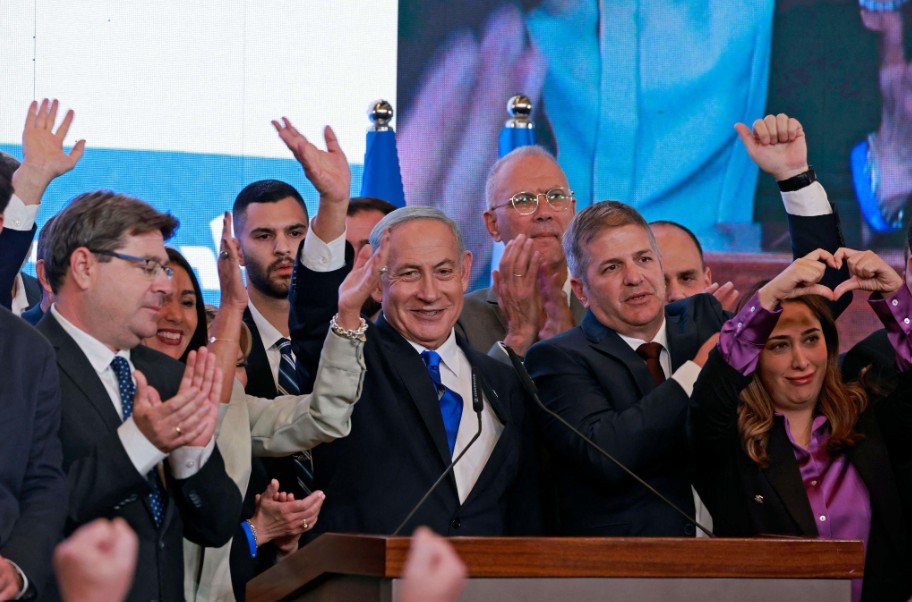
Entry into Politics: From UN to Likud Leadership
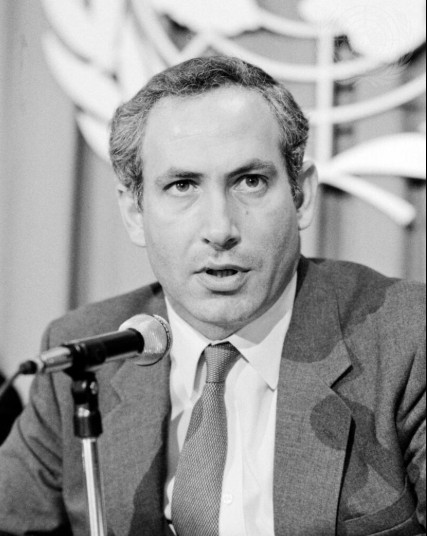
Netanyahu first gained national prominence during his tenure as Israel’s ambassador to the United Nations in the 1980s, where his articulate defense of Israeli policies brought him into the domestic political spotlight.
Upon returning to Israel, he joined the Likud party, aligning with its right-wing nationalist ideology. His rise within the party was rapid, aided by his communication skills, security-focused worldview, and growing public visibility.
By the early 1990s, Netanyahu emerged as a central figure in Israeli politics, particularly as the country grappled with the implications of the Oslo peace process.
1996: Youngest Prime Minister
In 1996, Netanyahu won a landmark election, becoming Israel’s youngest prime minister at the time.
His victory came in a highly polarized environment following the assassination of Prime Minister Yitzhak Rabin, with Netanyahu campaigning on a platform critical of concessions to Palestinians and emphasizing security concerns.
His first term was marked by cautious engagement with peace agreements alongside a strong emphasis on national security, reflecting the ideological balance he sought to maintain.
Political Setback and Comeback
After losing power in 1999, Netanyahu temporarily stepped back from frontline leadership but remained an influential figure within Likud.
He returned to prominence in the early 2000s, serving in key ministerial roles, including finance minister, where he implemented market-oriented economic reforms that reshaped Israel’s economy.
These reforms strengthened his image as both a security-focused and economically strategic leader.
2009: Return and Consolidation of Power
Netanyahu returned as prime minister in 2009, beginning a prolonged period of leadership that would define Israeli politics for over a decade.
His tenure was characterized by coalition-building, political maneuvering, and a consistent focus on security threats, particularly regarding Iran and regional instability.
Over successive elections, he managed to maintain power through shifting alliances and strategic positioning within Israel’s fragmented political landscape.
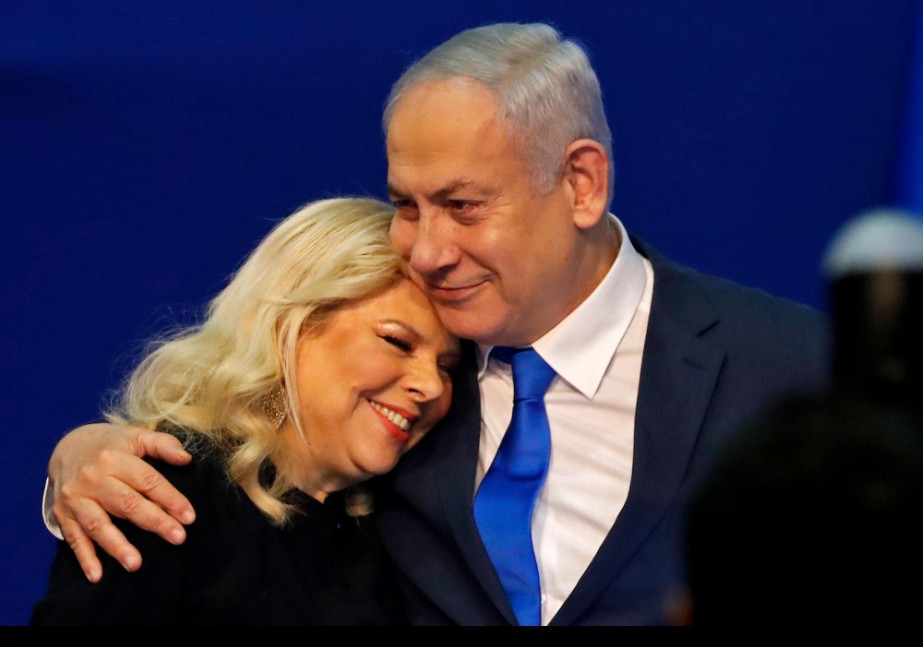
Becoming the Longest-Serving Leader
By the late 2010s, Netanyahu surpassed Israel’s founding leader David Ben-Gurion to become the country’s longest-serving prime minister.
This milestone reflected not only electoral success but also his ability to navigate crises, opposition challenges, and internal party dynamics.
His leadership style combined strong rhetoric, diplomatic outreach, and a firm stance on national security, reinforcing his dominance in Israeli politics.
Leadership Style and Political Strategy
Netanyahu’s rise and longevity are often attributed to:
- Strategic communication and media handling
- Emphasis on security and threat perception
- Coalition management in a divided political system
- Ability to appeal to both domestic and international audiences
Netanyahu’s rise from a UN diplomat to Israel’s longest-serving prime minister was shaped by timing, ideology, and political adaptability.
His leadership redefined the country’s political landscape, embedding a security-first approach while consolidating long-term power in a highly competitive system.
Warmonger & Genocider
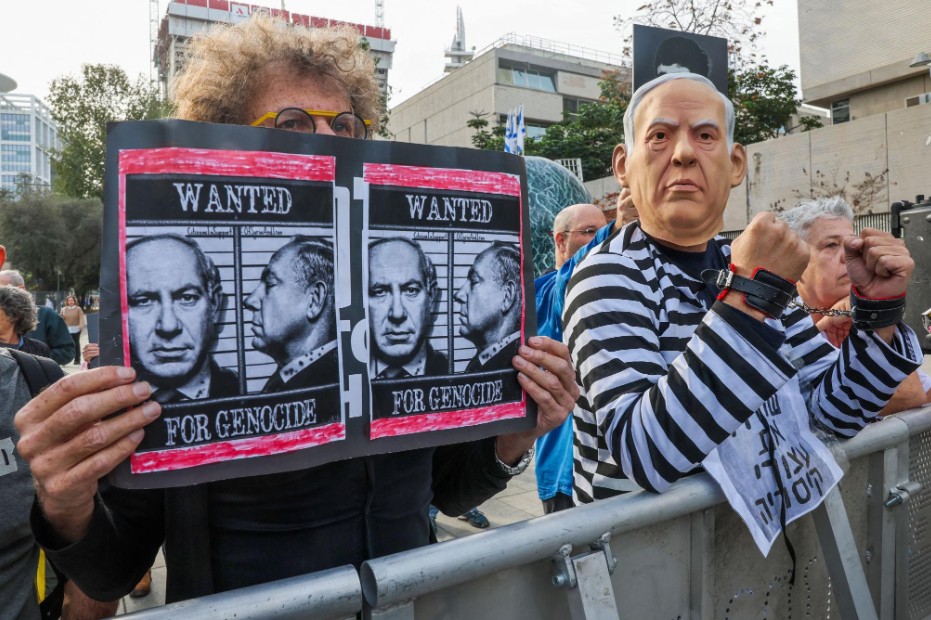
Benjamin Netanyahu is facing some of the most severe international criticism of his political career, with critics accusing him of pursuing a war-driven strategy that has resulted in large-scale civilian casualties, particularly children and widespread destruction, particularly Gaza.
The accusations, including claims of disproportionate use of force and allegations of genocide, have intensified amid ongoing military operations, placing Netanyahu at the center of a global debate over war conduct, accountability, and humanitarian law.
The issue has assumed global significance as the scale of destruction and civilian suffering in Gaza has triggered protests, diplomatic backlash, and legal scrutiny across multiple international platforms.
Critics argue that Netanyahu’s long-standing security doctrine has evolved into a pattern of sustained military escalation, where force is repeatedly used as the primary instrument of policy rather than a last resort.
They point to successive wars in Gaza, large-scale bombardments, and expanding regional tensions as evidence of a leadership approach that prioritizes military dominance over conflict resolution.
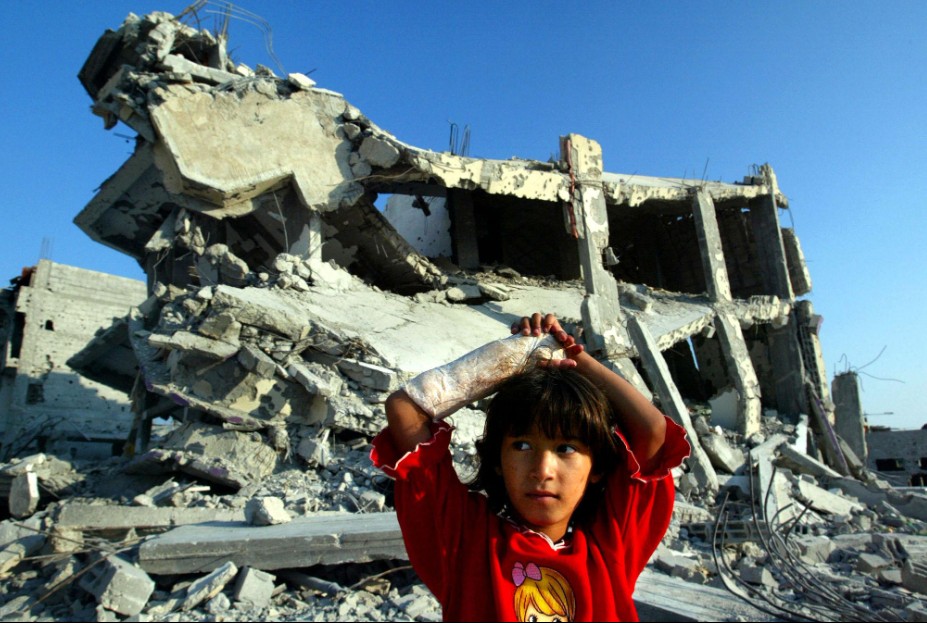
Human rights organizations and several international voices have raised concerns over civilian casualties, displacement, and infrastructure destruction, questioning whether the conduct of operations aligns with international humanitarian standards.
The use of terms such as “genocide” in public discourse reflects the intensity of criticism, though such allegations remain subject to legal interpretation and international judicial processes.
Netanyahu and Israeli authorities have consistently rejected these accusations, stating that military operations are aimed at countering threats from militant groups such as Hamas and ensuring national security.
However, the scale and frequency of military campaigns have fueled perceptions among critics that the approach contributes to a recurring cycle of violence rather than long-term stability.
The criticism has not been limited to the Middle East. Demonstrations in major global cities, debates within international institutions, and statements from various governments have all reflected growing unease over the humanitarian consequences of the conflict.
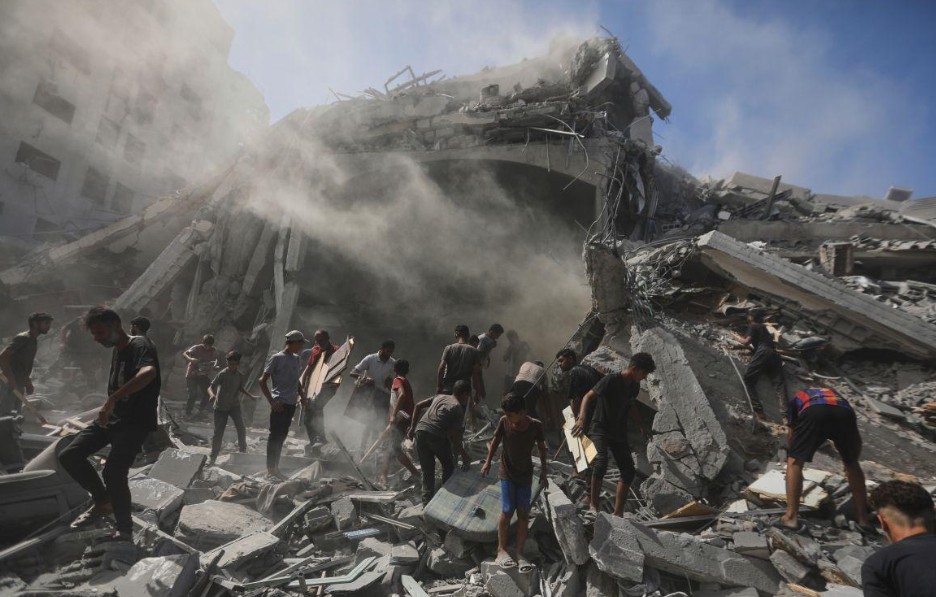
At the diplomatic level, discussions around accountability have intensified, with increasing calls for investigations into the conduct of the war and adherence to international law.
The conflict has also widened beyond Gaza, with tensions involving Hezbollah in Lebanon and continued confrontation with Iran contributing to a broader regional crisis.
Critics argue that this expansion reinforces the perception of a leadership approach anchored in confrontation, raising fears of a wider and more prolonged conflict.
Despite mounting pressure, Netanyahu has maintained a firm stance, emphasizing security imperatives and rejecting calls for immediate shifts in strategy.
The debate over his legacy has become increasingly polarized, with supporters framing his actions as necessary defense and critics portraying them as part of a pattern of excessive and sustained use of force.
The outcome of this debate is likely to shape not only Netanyahu’s political future but also broader international discussions on warfare, accountability, and the limits of state power.
Netanyahu Faces War Crimes Allegations
Benjamin Netanyahu is increasingly being described by critics and sections of the international community as a potential war crimes accused, as scrutiny grows over Israel’s military operations and their humanitarian impact.
The issue has gained prominence amid ongoing conflict in Gaza, where the scale of civilian casualties, destruction of infrastructure, and displacement has triggered global debate over compliance with international humanitarian law.
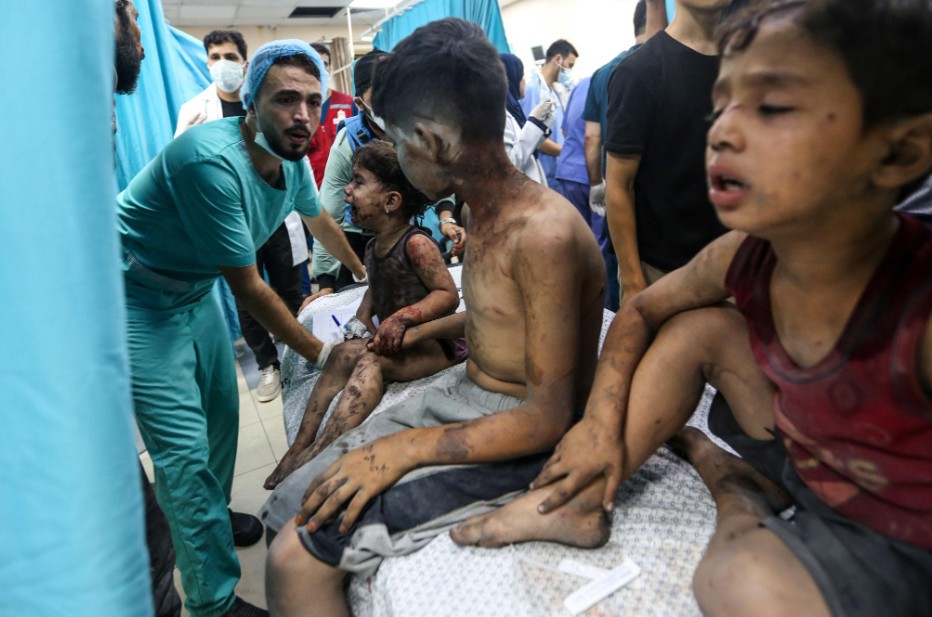
The matter carries significant legal implications, as questions surrounding proportionality, targeting, and treatment of civilians fall under the framework of international war crimes law.
Calls for accountability have emerged from various quarters, including human rights organizations and political leaders, urging formal investigations into the conduct of Israeli operations.
The International Criminal Court has been central to these discussions, with growing demands for legal examination of actions taken during the conflict.

At the United Nations, multiple sessions have addressed the humanitarian situation, with member states expressing concern over civilian harm and urging adherence to international legal standards.
Critics argue that repeated large-scale military operations under Netanyahu’s leadership reflect a pattern that warrants judicial scrutiny. Some even call him sadistic who seeks pleasure in destruction and killings. Critics describe him a threat to humanity who global peace who resort to aggression with the backing of United States. Political observers argue that Netanyathu is an uncontrolled son of wealthy and powerful father called US.
They cite high civilian tolls and widespread destruction as factors that could constitute violations of international law if proven in court.
The legal designation of “war criminal” remains a matter for courts and formal judicial processes, not political labeling.
However, the increasing use of the term in global discourse reflects the intensity of criticism facing Netanyahu and his government.
Critics argue that Benjamin Netanyahu’s policies have significantly damaged Israel’s global image, leading to growing resentment and protests in many parts of the world. They say this has, in turn, created a sense of unease among Israeli citizens traveling or living abroad, who increasingly face hostility, scrutiny, or fear of backlash linked to the actions of their government.
History, regardless of what his supporters claim, will remember him as a leader accused of presiding over immense loss of civilian life and leaving countless children orphaned.
© Kashmir News Trust (KNT). Unauthorized use without attribution is prohibited.