

Shafqat Sheikh
———————-
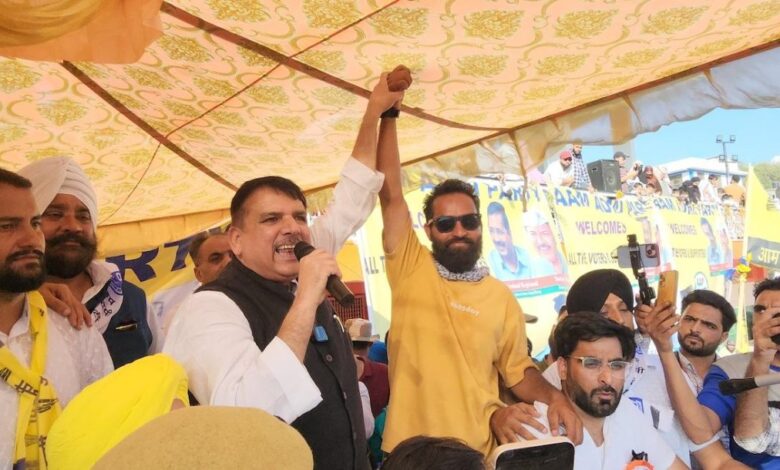
Mehraj Malik, the lone Aam Aadmi Party legislator in Jammu and Kashmir, has emerged as a central political figure following his release after detention under the Public Safety Act, a move that drew both legal scrutiny and public reaction in the Chenab Valley region.
Malik, who represents the Doda Assembly constituency, was detained in September 2025 under preventive provisions of the PSA. The detention was ordered by the district administration based on a police dossier that cited concerns related to public order.
The case revolves around the use of preventive detention against a sitting legislator, bringing into focus the intersection of law, administration, and politics in Jammu and Kashmir. The dossier, as per official grounds, referred to multiple FIRs registered against Malik and alleged that his speeches and public activities had the potential to disturb law and order.
The detention triggered a strong response in Doda district, where supporters of the legislator held protests. Reports from the ground indicated clashes in some areas and detentions of several supporters, including women, as police moved to control the situation.
Malik’s political trajectory has been marked by grassroots mobilization. He rose to prominence through local activism and electoral success, winning a District Development Council seat before securing victory in the Assembly elections, becoming the only AAP representative in the Union Territory.
Mehraj began his political journey in 2014, securing around 300 votes in his first Assembly election. Though modest, the result marked a turning point. He continued raising overlooked public issues despite pressure and attempts to silence him.
Following legal challenge, the detention was later set aside by the High Court, leading to his release from custody. The court found the grounds cited for preventive detention insufficient to sustain the order.
With his release, Malik has returned to active political space, and his case continues to be closely watched for its legal and political implications in Jammu and Kashmir.
Political observers said the case also raises broader questions about accountability within the system. They argue that courts, while setting aside detentions where cases do not stand legal scrutiny, should also consider directing action against those responsible for initiating such proceedings so that accountability becomes institutional. Observers further said that arrests and preventive detentions, including those under PSA, should be invoked only when authorities are confident of sustaining the case in law. In instances where detenues are released after judicial review, they said, there should be mechanisms to examine responsibility at higher administrative levels to ensure that individuals are not subjected to undue legal hardship.
View this post on Instagram
© Kashmir News Trust (KNT). Unauthorized use without attribution is prohibited.