Trump Says UK-US Ties ‘Not What They Were’ After Starmer Declines Role in Iran Strikes

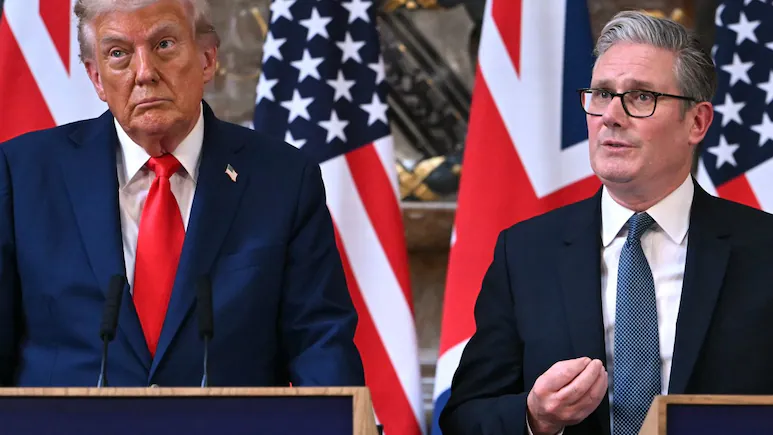
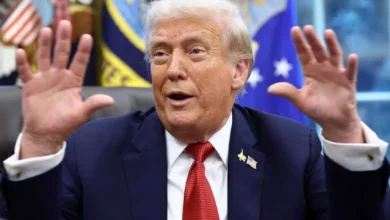
US President Donald Trump has criticized UK Prime Minister Keir Starmer over Britain’s refusal to support offensive strikes against Iran, saying the bilateral relationship is “obviously not what it was”.
In remarks to a British tabloid ahead of ongoing military escalation in the Middle East, Trump compared the UK’s stance unfavourably with France and NATO leadership. “He has not been helpful. I never thought I’d see that from the UK. We love the UK,” Trump said, adding that it was “very sad to see that the relationship is obviously not what it was.”
Starmer had earlier delivered his strongest rebuke yet of US action in Iran, telling the House of Commons that Britain does not believe in “regime change from the skies” and defending his decision not to allow UK bases to be used for offensive strikes. He stressed that any UK military engagement must have a lawful basis and a clear, thought-through plan.
However, the Prime Minister confirmed that the UK would permit the use of British bases for defensive purposes, including protecting allied forces and Gulf nations that have come under retaliatory missile and drone attacks following joint US-Israeli strikes on Iran.
Reacting to Trump’s criticism, Chief Secretary to the Prime Minister Darren Jones reiterated that the UK would not participate in offensive operations. He said Britain would deploy armed forces only when it is in British interests, with a legal framework and defined objectives. “We’re not going to be getting involved in a wider conflict in the Middle East,” he said.
Trump maintained that UK participation would not materially alter US objectives but insisted Starmer “should have helped”. He praised France and NATO Secretary General Mark Rutte for their supportive stance.
The US President also called on Starmer to revisit policies on the Chagos Islands, North Sea oil and gas exploration, and immigration. Asked whether Starmer’s approach was influenced by domestic political considerations, Trump suggested it “could be” the case.
Meanwhile, Starmer confirmed that British aircraft had intercepted an Iranian drone headed for a coalition base in Iraq where UK forces are stationed. Two drones were also reportedly fired at RAF Akrotiri in Cyprus. Iran has launched retaliatory strikes targeting several Gulf and Middle Eastern states following recent attacks on its leadership and military infrastructure.
Britain is expected to allow the United States access to RAF Fairford and Diego Garcia for defensive and logistical operations, though it continues to rule out direct involvement in offensive strikes. [KNT]
© Kashmir News Trust (KNT). Unauthorized use without attribution is prohibited.