US-Iran Conflict Deepens as Washington Tightens Sanctions, Tehran Challenges Hormuz Blockade; Qatar Pushes for Talks

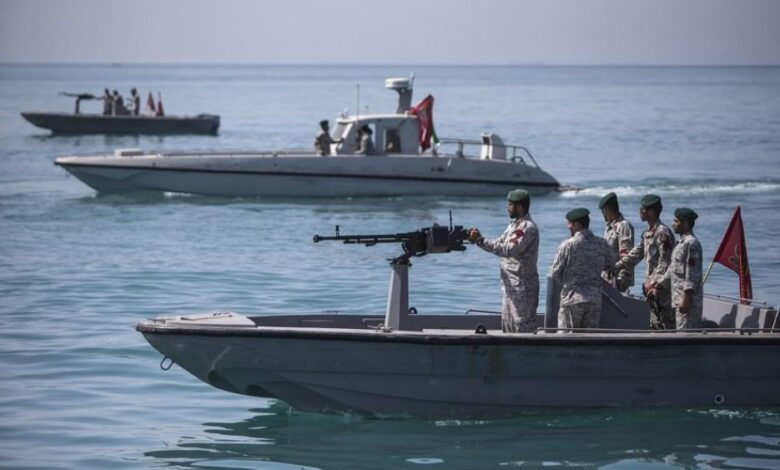
Tensions between the United States and Iran remain high as fresh sanctions, military confrontations and growing threats to maritime traffic in the Strait of Hormuz continue to complicate efforts to end the nearly nine-month-old conflict, while Qatar is making renewed diplomatic efforts to bring the two sides back to negotiations.
The latest development came on Monday when the US Treasury announced sanctions against 22 entities and eight individuals linked to Iran, targeting financial, oil, industrial and trade networks that Washington alleges are being used to bypass sanctions and move funds through a shadow banking system.
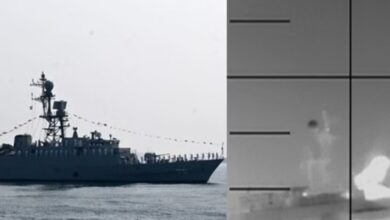
Amid the escalating pressure, Iranian military authorities claimed that they had shot down a US drone over the Persian Gulf, east of the Strait of Hormuz. Tehran has also rejected the US naval blockade of Iranian shipping, warning that it would use all available means to counter the restrictions.
US President Donald Trump has indicated that Washington could consider renewed strikes against Iran after the New Year if no agreement is reached, although he has also expressed interest in securing a lasting deal.
Diplomatic efforts are continuing alongside the military confrontation. Qatar’s Prime Minister Sheikh Mohammed bin Abdulrahman Al Thani met US Secretary of State Marco Rubio in Washington on Monday, while Vice President JD Vance also held a separate meeting with the Qatari leader. Doha has been playing a key mediating role in efforts to revive stalled negotiations.
The proposals being discussed by mediators reportedly include easing disruptions in the Strait of Hormuz in exchange for limited sanctions relief for Iran, followed by broader negotiations covering Tehran’s nuclear programme.
The strategic waterway remains a major flashpoint, as it handles a significant share of global oil and liquefied natural gas shipments. Iran’s Revolutionary Guards have claimed that three oil tankers caught fire after striking naval mines in the strait. The claim has not been independently verified.
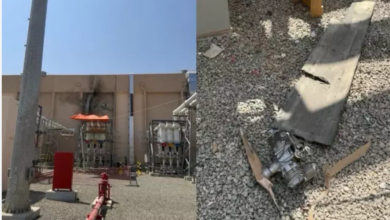
The conflict has also widened regional security concerns. Saudi Arabia’s air defences reportedly intercepted a drone launched by Yemen’s Houthi movement towards the kingdom’s southern region, while attacks and threats involving commercial shipping have raised concerns over the security of vital maritime routes.
The confrontation began on February 28, when the United States and Israel launched strikes against Iran. Subsequent Iranian retaliatory attacks and continuing military exchanges have spread tensions across the Gulf and other parts of the Middle East, disrupting shipping and adding pressure to energy markets.
Despite diplomatic contacts involving Qatar and Oman, no comprehensive agreement has emerged, leaving the region facing continued military uncertainty and the possibility of further escalation.
© Kashmir News Trust (KNT). Unauthorized use without attribution is prohibited.