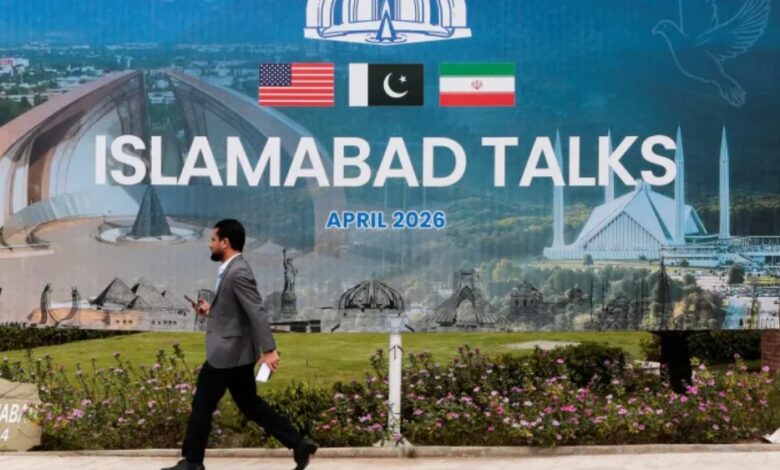
High-level talks between the United States and Iran began in Islamabad on Saturday under unprecedented security, marking a rare and significant diplomatic engagement between the two adversaries as tensions over nuclear policy, regional conflicts, and global energy routes continue to escalate.
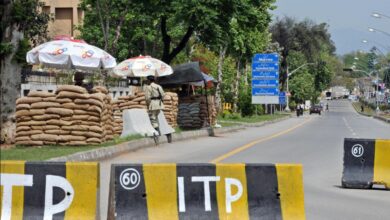
The negotiations are being held in Pakistan’s capital, which has effectively been turned into a fortified diplomatic zone, with heightened security measures, restricted movement, and heavy deployment of law enforcement agencies around key venues, according to reports by Reuters and Dawn.
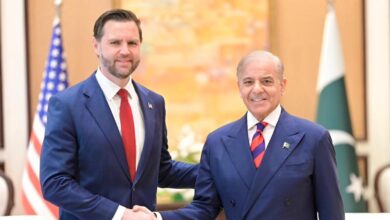
The United States delegation is being led by Vice President JD Vance, accompanied by special envoy Steve Witkoff and senior adviser Jared Kushner. Iran is represented by Foreign Minister Abbas Araghchi and Parliament Speaker Mohammad-Bagher Ghalibaf.
Pakistan, led by Prime Minister Shehbaz Sharif and Foreign Minister Ishaq Dar, is hosting and facilitating the talks, positioning itself as a diplomatic intermediary at a time of heightened regional volatility.
The talks follow weeks of escalating tensions and conflict involving Iran and U.S.-aligned interests in the region, including disruptions to maritime routes and strikes affecting energy infrastructure. Officials have described the engagement as an attempt to move toward a broader de-escalation framework, though expectations for immediate outcomes remain limited.
At the core of the negotiations is the dispute over Iran’s nuclear program. The United States is seeking firm commitments to prevent Iran from developing nuclear weapons, while Iranian officials have maintained that their nuclear activities are within sovereign rights and have resisted demands for full rollback of enrichment capabilities.
Another major issue under discussion is the security of the Strait of Hormuz, a critical global shipping lane through which a significant portion of the world’s oil supply passes. Recent tensions have raised concerns about disruptions to energy flows, with global markets closely monitoring developments. U.S. President Donald Trump has said ensuring the waterway remains open is a priority.
Iran, for its part, has linked progress in negotiations to broader geopolitical conditions, including demands for the easing of economic sanctions and the unfreezing of Iranian assets held abroad. Tehran has also raised the issue of ongoing conflict dynamics in Lebanon, signaling that regional considerations remain intertwined with the diplomatic process.
Pakistani media outlets including Geo News have described the talks as cautious and sensitive, emphasizing that the current phase is focused on confidence-building rather than immediate deal-making. This assessment aligns with international reporting that highlights deep mistrust between the two sides despite the resumption of direct engagement.
Pakistan’s role has drawn particular attention, with analysts noting that Islamabad is leveraging its relationships with both Washington and Tehran to facilitate dialogue. Officials in Pakistan have expressed hope that the talks could contribute to a “durable and lasting solution,” though they have acknowledged the complexity of the issues involved.
Foreign Minister Ishaq Dar said Pakistan remains committed to facilitating discussions and encouraging constructive engagement between the parties. The hosting of the talks reflects Islamabad’s broader effort to position itself as a stabilizing actor in regional diplomacy.
Security arrangements in Islamabad have underscored the sensitivity of the talks. Key areas of the city have seen increased patrols, restricted access, and coordination among multiple security agencies to ensure the safety of delegations and the smooth conduct of the negotiations.
Read: The Indomitable Fate
Despite the high-level engagement, no breakthrough has been announced so far. There has been no joint statement or indication of consensus on key issues, and officials have signaled that discussions may continue over multiple rounds.
The outcome of the talks carries significant implications not only for regional stability but also for global economic conditions. Any disruption in the Strait of Hormuz could impact energy markets worldwide, while progress in negotiations could ease tensions and provide a pathway toward broader diplomatic engagement.
Pakistani media has observed that the talks represent a critical moment in U.S.–Iran relations, with the potential to either stabilize a volatile situation or reinforce existing divisions depending on how negotiations evolve.
For Pakistan, hosting the talks marks a notable moment in its diplomatic trajectory, placing it at the center of a high-stakes international dialogue with far-reaching consequences.
As discussions continue, the focus remains on whether the parties can bridge longstanding differences and move toward a framework that addresses both security concerns and broader geopolitical realities. [KNT]
KEY FIGURES IN ISLAMABAD TALKS
JD Vance
- Current Vice President of the United States
- Senior political figure representing Washington in high-level diplomacy
- Known for strong positions on national security and foreign policy
- Leading the U.S. delegation in Islamabad talks
- Plays a key role in shaping U.S. stance on:
- Iran’s nuclear program
- Global security and strategic negotiations
Abbas Araghchi
- Foreign Minister of Iran
- Veteran diplomat and key negotiator in international talks
- Has represented Iran in multiple nuclear negotiations with world powers
- Known for advocating:
- Iran’s sovereign nuclear rights
- Removal of economic sanctions
- Leading Iran’s diplomatic position in Islamabad discussions