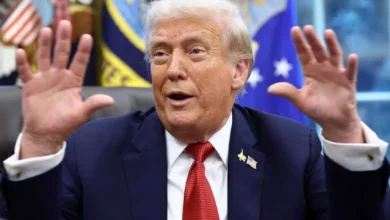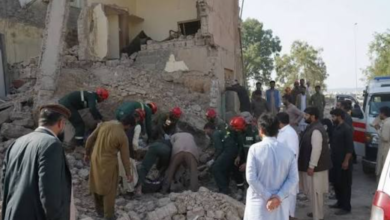

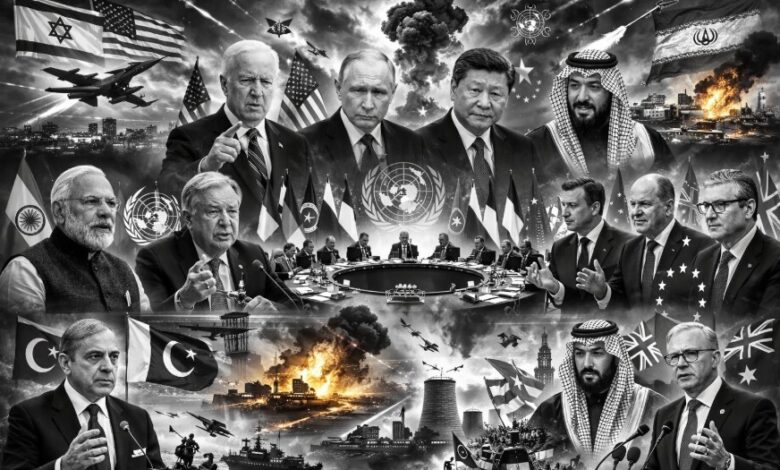
Global leaders remain sharply divided following coordinated military strikes by the United States and Israel on Iran, with reactions ranging from outright condemnation to cautious calls for restraint and, in some cases, expressions of support.
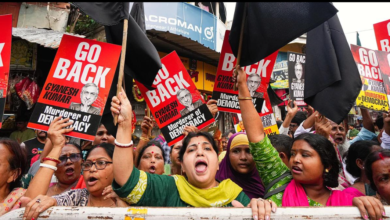
Russia strongly condemned the strikes, terming them an act of armed aggression against a sovereign state and warning of grave regional consequences. Moscow called for immediate de-escalation and a return to diplomatic engagement.
China expressed deep concern over the escalation and urged all parties to exercise restraint. In a statement, Beijing stressed respect for sovereignty and territorial integrity and called for dialogue to prevent further instability in West Asia. Chinese President Xi Jinping has consistently advocated political solutions to regional conflicts, and officials reiterated that military escalation would not serve long-term stability.
India also voiced concern over the deteriorating security situation. The Ministry of External Affairs called for restraint and emphasized the need for dialogue and diplomacy to resolve differences. Prime Minister Narendra Modi has not issued a direct personal statement on the strikes, but New Delhi underscored the importance of safeguarding regional peace and ensuring the safety of Indian nationals in the region.
France, Germany and the United Kingdom issued a joint statement expressing serious concern while clarifying that they were not involved in the strikes. The European Union described the situation as perilous and appealed for maximum restraint. Spain condemned the use of force and demanded adherence to international law, while Norway questioned the legal basis of the attack. Ireland warned of wider conflict if escalation continued.
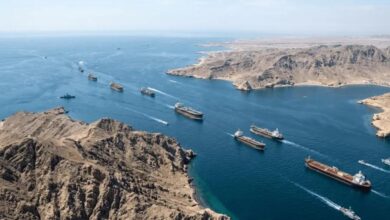
Oman criticized the strikes, saying they undermined ongoing negotiations, and urged diplomatic solutions. United Nations Secretary-General António Guterres called for an immediate cessation of hostilities and de-escalation to prevent a broader war.
In contrast, Ukraine expressed support for the action, linking it to broader security concerns. Australia backed efforts to pressure Iran and called for limiting its military capabilities. Albania openly supported both the United States and Israel.
Saudi Arabia focused on regional security concerns and condemned Iranian missile activity, while Pakistan urged peaceful resolution through diplomacy.
The varied reactions reflect a fragmented international landscape, with major powers split between condemnation, cautious neutrality and strategic support. Diplomatic efforts are ongoing amid fears of wider instability across West Asia. [KNT]
© Kashmir News Trust (KNT). Unauthorized use without attribution is prohibited.