
The confrontation involving Iran, Israel and the United States has rapidly evolved into one of the most serious regional crises in recent years, with missile exchanges, cross-border strikes and rising military deployments raising fears of a wider Middle East conflict.
The escalation began after a series of Israeli strikes on Iranian linked targets and allied groups across the region, which Tehran and its allies described as aggression. In response, Iran and allied groups launched retaliatory attacks targeting Israeli territory and positions linked to US and Israeli interests in the region.
Over the past weeks, the conflict has unfolded across several fronts including Iran, Israel, Lebanon and parts of the wider Middle East.
Israel has carried out repeated airstrikes targeting military infrastructure, missile facilities and positions believed to be linked to Iran or its regional allies. Some of these operations also targeted locations associated with Hezbollah in Lebanon after cross-border rocket and drone attacks on Israeli territory.
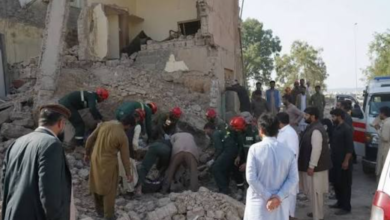
Iran has responded with missile and drone attacks directed toward Israeli territory and strategic military installations. Air defence systems in Israel have intercepted several projectiles, though some attacks have caused damage and casualties.
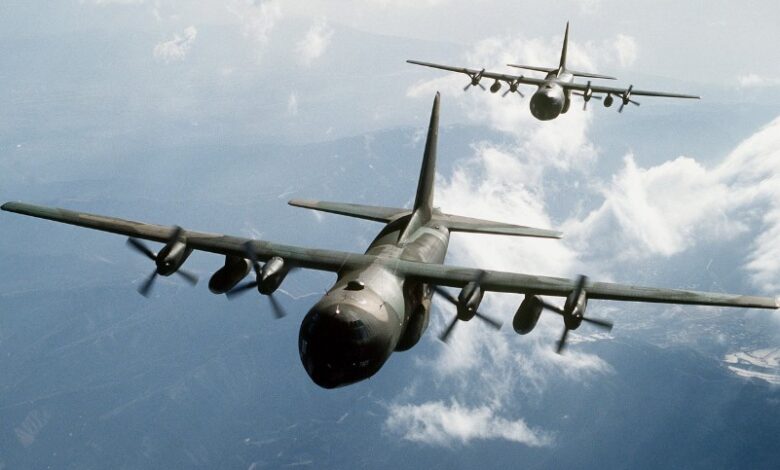
The United States has deployed additional military assets to the region, including naval and air force units, to protect its forces and deter further escalation. American officials say the deployments are aimed at defending US personnel and regional allies.
The widening confrontation has also intensified fighting along Israel’s northern border with Lebanon, where Hezbollah has exchanged fire with Israeli forces. Airstrikes and artillery exchanges have led to displacement in border areas and heightened tensions across the region.
Military analysts say the crisis has developed into a complex multi-front conflict involving direct and indirect confrontation between Iran and Israel while the United States maintains a strategic military presence.
Officials across the region say the situation remains fluid with periodic missile launches, airstrikes and heightened military alert levels.
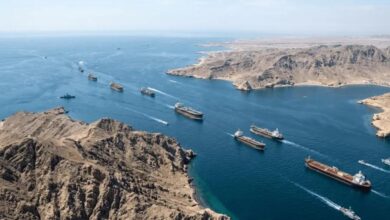
The conflict has also triggered concerns about global economic and energy stability. Shipping routes in the Gulf region and the Strait of Hormuz are being closely monitored due to the possibility of disruption to international oil supply routes.
Public reactions in the countries involved reflect deep divisions.
In Iran, large demonstrations have taken place condemning Israeli and US actions, with authorities warning that further retaliation will follow if attacks continue.
In Israel, government officials have defended the military operations as necessary for national security, while civilians in several cities have spent extended periods in shelters due to missile alerts.
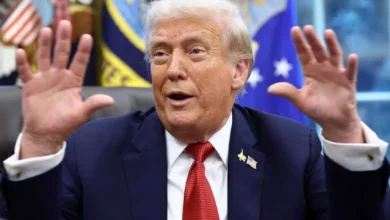
In the United States, the developments have sparked political debate over the extent of American involvement. Some lawmakers support strong military backing for Israel while others warn of the risk of the US being drawn into a prolonged regional war.
Diplomatic efforts are also underway. Several international actors including European governments and the United Nations have called for restraint and renewed negotiations to prevent further escalation.
Security experts say the future course of the conflict will depend on several factors including the scale of further retaliatory strikes, the involvement of regional armed groups and the level of US military engagement.
Analysts warn that if hostilities continue to intensify, the confrontation could expand into a broader regional war involving additional countries and proxy forces across the Middle East.
For now, the situation remains volatile with military operations continuing and diplomatic channels attempting to prevent the crisis from escalating further. [KNT]
© Kashmir News Trust (KNT). Unauthorized use without attribution is prohibited.