Iran Apologises to Gulf Neighbours Amid Escalating War
Tehran Rejects Trump’s Call for ‘Unconditional Surrender’

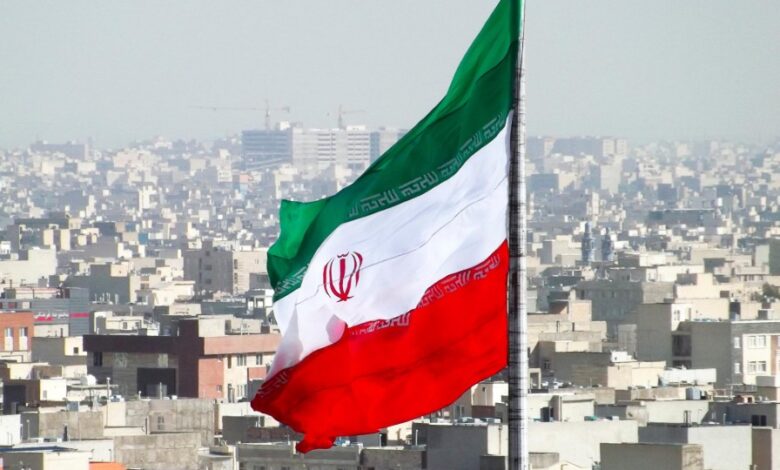
Iranian President Masoud Pezeshkian has apologised to Gulf countries for the impact of recent missile and drone attacks linked to the ongoing conflict in the region, saying Iran will avoid targeting neighbouring states unless they become the source of attacks against the country.
In a televised address, Pezeshkian said Tehran does not seek confrontation with neighbouring Gulf nations and expressed regret over the effects of the military escalation on the region.
The Iranian president said Iran’s armed forces would refrain from attacking neighbouring countries unless those countries were directly involved in launching attacks against Iran.
The remarks come as the conflict involving Iran, Israel and the United States continues to escalate, raising concerns about a wider regional war in the Middle East.
Analysts say the statement appeared aimed at easing tensions with Gulf countries such as Saudi Arabia, the United Arab Emirates, Bahrain and Kuwait, several of which host American military bases.
While expressing regret over the impact of the conflict on neighbouring states, Pezeshkian also rejected a demand by U.S. President Donald Trump for Iran’s “unconditional surrender”.
The Iranian president described the demand as unrealistic and said Iran would not accept such conditions.
He reportedly termed the demand a “dream,” indicating that Tehran would continue to resist military pressure.
The war has entered its second week with missile and drone strikes reported across different parts of the region.
Iran has launched attacks targeting Israeli territory and U.S. interests, while Israeli airstrikes have struck several Iranian military sites and infrastructure.
Several Gulf countries have also reported intercepting drones and missiles during the ongoing hostilities.
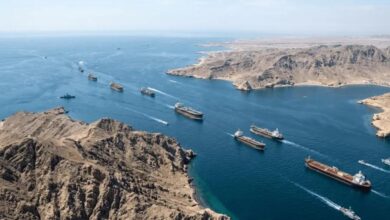
The conflict has raised global concerns due to its proximity to key energy routes, particularly the Strait of Hormuz, through which a large share of the world’s oil shipments pass.
Security analysts say any further escalation in the region could disrupt global energy supplies and have significant economic repercussions worldwide. [KNT]
© Kashmir News Trust (KNT). Unauthorized use without attribution is prohibited.