How global powers react after Trump urges naval protection of oil shipping route

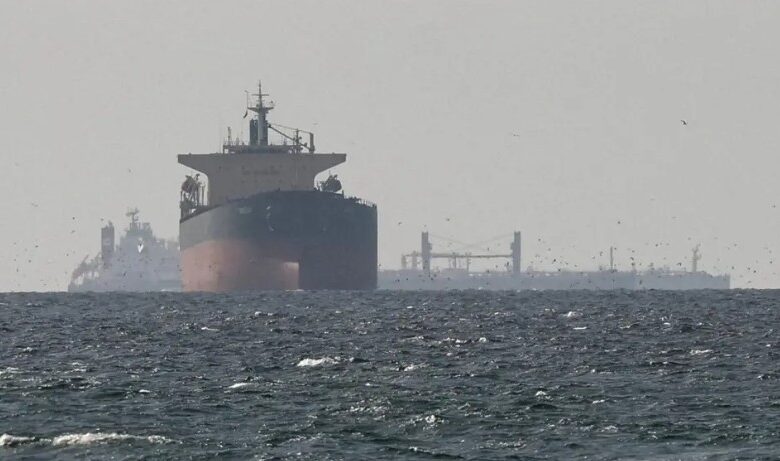
Several major nations have responded cautiously to U.S. President Donald Trump’s call for allied countries to deploy naval vessels to the Strait of Hormuz to protect commercial shipping and help unblock global oil supplies.
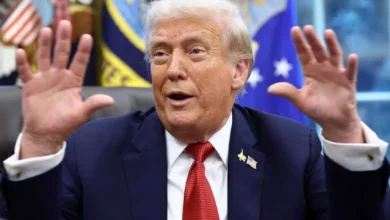
Posting on his Truth Social platform on Saturday, the U.S. president said international partners should contribute naval assets to secure the strait, which links the Persian Gulf with global shipping lanes.
He later escalated his appeal in an interview with the Financial Times, warning that failure by allies to help protect maritime traffic could be “very bad for the future of Nato.”
The statement comes amid heightened tensions in the Middle East and concerns over disruptions to oil shipments passing through the narrow waterway.
The United Kingdom said it was working with international partners on possible steps to ensure the strait remains open, but stressed that any response would not be conducted as a Nato mission.
British Prime Minister Keir Starmer said during a Downing Street briefing that London was discussing options with allies to reopen and secure the maritime corridor.
Germany responded more critically to the proposal.
Defence Minister Boris Pistorius rejected calls for Berlin to deploy naval assets to the region, saying Germany would not participate in the operation.
“This is not our war, we have not started it,” Pistorius said.
South Korea said it would review the request before making a decision.
The presidential office in Seoul said the country would “communicate closely with the United States regarding this matter and make a decision after careful review.”
Japan also signalled caution.
Defence Minister Shinjiro Koizumi told parliament that Tokyo was not currently considering launching a maritime security mission in response to the situation involving Iran.
Australia also ruled out deploying naval ships to the strait.
Cabinet member Catherine King said in an interview with state broadcaster ABC that Canberra had no plans to send naval forces to the region.
China has not indicated whether it would join any multinational effort.
A spokesperson for the Chinese Embassy in Washington said all parties had a responsibility to ensure stable and uninterrupted global energy supplies but did not confirm whether Beijing would send ships to the strait.
The Strait of Hormuz is considered one of the world’s most important maritime chokepoints, with a significant share of global oil exports passing through the narrow corridor each day.
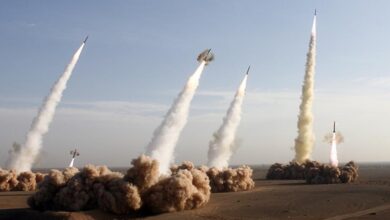
Security concerns in the region have intensified amid ongoing tensions involving Iran and its regional rivals, raising fears of potential disruptions to energy supplies and international shipping.
© Kashmir News Trust (KNT). Unauthorized use without attribution is prohibited.