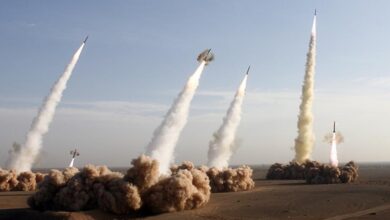

A prolonged conflict in the Middle East could trigger a global fuel crisis, push up inflation, and disrupt supply chains worldwide, analysts and officials warn, even as no country has imposed COVID-style lockdowns so far.
The evolving crisis has placed critical energy routes under threat, particularly the Strait of Hormuz, a vital corridor through which nearly a fifth of the world’s oil supply passes, raising fears of sustained disruption to global markets.
Experts say the immediate impact of a continuing war would be a sharp rise in oil prices, which have already shown volatility amid tensions. Higher crude costs would translate into increased transport, manufacturing and food prices, potentially triggering inflation across both developed and developing economies.
Countries heavily dependent on Middle East energy imports, particularly in Asia and Europe, are considered most vulnerable. Any prolonged disruption could lead to fuel shortages, rationing measures, and restrictions on non-essential consumption.
Also Read: Iran launches missile strikes near Israel nuclear site; over 100 injured in retaliatory escalation
“Any escalation that affects shipping routes or production facilities will have a direct and immediate impact on global energy supply,” an energy policy expert said, pointing to risks of a broader economic slowdown.
While no nation has imposed full lockdowns similar to those seen during the COVID-19 pandemic, several governments have begun implementing precautionary measures. These include fuel rationing, energy-saving advisories, and work-from-home policies aimed at reducing consumption.
In South Asia, Bangladesh has introduced fuel rationing to manage supply constraints, while some countries in Southeast Asia and Europe have issued advisories encouraging reduced energy use and remote working arrangements.
Authorities have stressed that such steps are preventive rather than restrictive, and do not amount to lockdowns, which were previously implemented to contain a public health crisis.
India, one of the world’s largest oil importers, is closely monitoring the situation. Officials have said that fuel supplies remain stable and there is no immediate shortage, although contingency planning is underway to address potential disruptions.
Industry observers note that India imports a significant share of its crude oil requirements, making it sensitive to global price fluctuations. However, diversified sourcing and strategic reserves are expected to cushion short-term shocks.
“There is no cause for panic at this stage. Supplies are adequate and systems are in place to handle volatility,” a government official said.
Also Read: Top counterterrorism official Kent resigns over Trump;s Iran war, says Iran posed no imminent threat
Public sentiment remains cautious, with concerns largely centered around rising fuel prices rather than availability. “We are worried about costs going up, not shortages yet,” said a commuter in New Delhi.
If the conflict intensifies further, governments worldwide may adopt stricter energy management strategies, including limiting fuel sales, prioritizing essential sectors, and encouraging remote work to reduce demand.
In a worst-case scenario, analysts warn of a global economic slowdown similar to past oil shocks, with ripple effects on food production, transport systems, and industrial output.
However, experts emphasize that a COVID-style lockdown remains unlikely, as the current crisis is driven by geopolitical and energy factors rather than a public health emergency.
The Middle East has long been central to global energy security, and any sustained instability in the region carries far-reaching consequences for economies worldwide, particularly those reliant on imported fuel. [KNT]
© Kashmir News Trust (KNT). Unauthorized use without attribution is prohibited.