
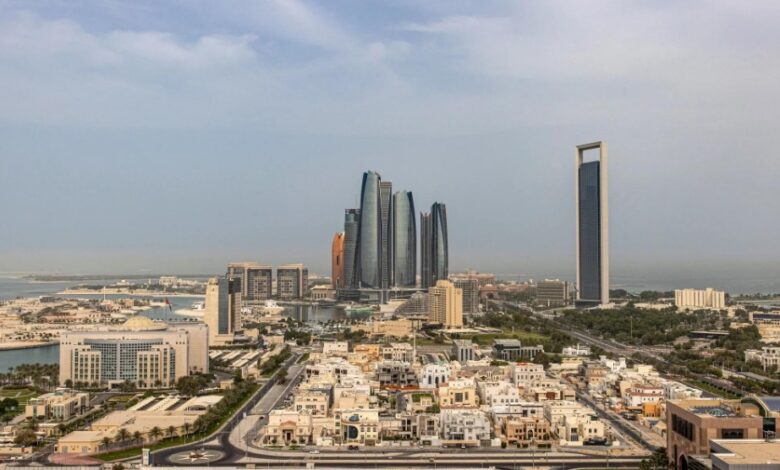
The United Arab Emirates has announced its exit from the Organization of the Petroleum Exporting Countries and the broader OPEC+ framework, marking a significant shift in global energy dynamics as oil prices rise amid ongoing tensions involving Iran.
The decision means the UAE will no longer be bound by production quotas set by OPEC and its allies, allowing it to independently determine its oil output and investment strategy.
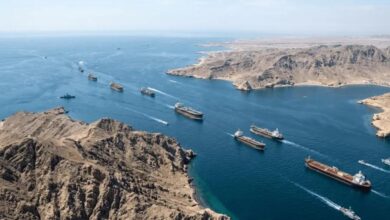
The move comes at a time when global oil prices are witnessing an upward trend, driven in part by geopolitical tensions linked to Iran, which have raised concerns over supply disruptions in key shipping routes.
By stepping away from the OPEC structure, the UAE is signaling a strategic pivot toward prioritizing its national energy interests, including expanding production capacity and maximizing long-term revenues.
OPEC and OPEC+ have historically coordinated oil production among member countries to stabilize prices and manage global supply. The UAE’s exit is expected to alter internal dynamics within the group and could reduce its overall influence on global oil markets.
Energy analysts view the decision as reflective of broader shifts within oil-producing nations, where individual countries are increasingly seeking flexibility to respond to market conditions rather than adhering to collective quotas.
The development may lead to greater volatility in global oil prices, as one of the key producers moves outside the coordinated framework that has traditionally guided output levels.
Further reactions from OPEC members and global markets are awaited as the implications of the decision unfold.
What is OPEC?
- OPEC is a group of major oil-producing countries
- They work together to control how much oil is produced
This helps them control oil prices globally
What just happened?
- United Arab Emirates (UAE) decided to leave OPEC and OPEC+
- This means:
UAE will no longer follow OPEC rules about how much oil it can produce
Why did UAE do this?
In simple terms:
- More freedom
- OPEC sets limits (quotas)
- UAE wants to produce more oil whenever it wants
- Focus on its own benefit
- UAE wants to prioritize its own economy and energy plans
- Long-term strategy
- It expects future demand for energy to grow
- So it wants to invest more and expand production
What does the Iran conflict have to do with this?
- The ongoing conflict involving Iran has:
- Disrupted oil supply routes (especially Strait of Hormuz)
- Reduced oil availability
Result: Oil prices are going up
So UAE likely thought:
“This is a good time to leave and act independently”
In very simple words:
- Earlier: UAE had to follow group rules (OPEC)
- Now: UAE will act alone and decide its own oil production
Why this is a big deal:
- Weakens OPEC’s control over oil prices
- May cause more instability in oil prices
- Shows disagreements among major oil countries
One-line summary:
UAE left OPEC because it wants full control over its oil decisions, especially at a time when global oil prices are rising due to war.
© Kashmir News Trust (KNT). Unauthorized use without attribution is prohibited.