Tankers Resume Hormuz Crossings as LNG, Oil Cargoes Head to Pakistan, China and India

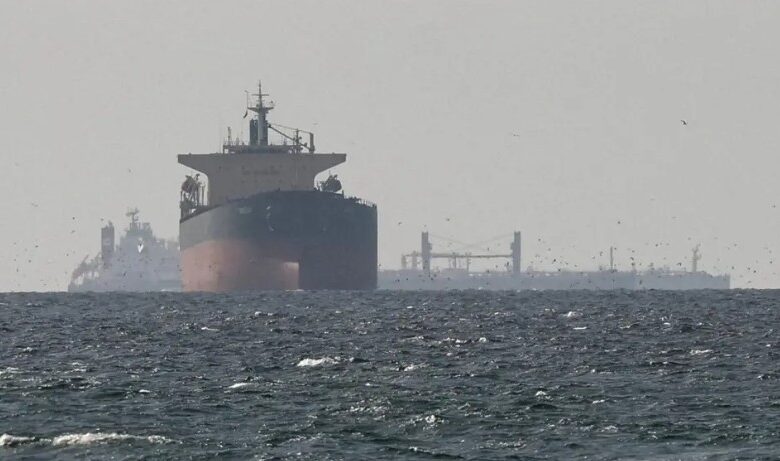
A handful of oil and liquefied natural gas tankers have resumed movement through the Strait of Hormuz, offering tentative signs of shipping activity after months of disruption caused by the U.S.-Israeli war involving Iran, though maritime traffic through the strategic waterway remains sharply below normal levels.
Ship-tracking data showed that three LNG tankers recently crossed the strait, heading toward Pakistan, China and India, alongside a supertanker carrying Iraqi crude to China after being stranded for nearly three months.
The Strait of Hormuz, through which nearly one-fifth of global oil and LNG supplies normally pass, has witnessed severe disruption since the conflict erupted on February 28, sharply curtailing shipping and leaving thousands of seafarers stranded across the Gulf. Before the conflict, the waterway recorded between 125 and 140 vessel transits daily.
Among the vessels moving through the strait was LNG tanker Fuwairit, sailing under the Bahamas flag and owned by Japan’s Mitsui O.S.K. Lines, which crossed on Monday carrying Qatari LNG and is expected to discharge cargo in Pakistan. Another tanker, Al Rayyan, carrying LNG loaded at Qatar’s Ras Laffan terminal, passed through the waterway and is headed for China.
An ADNOC-managed tanker, Al Hamra, also crossed the strait and later reappeared near India after weeks without visible tracking data. Officials from the companies involved did not immediately comment on the voyages.
Separately, the supertanker Eagle Verona, carrying nearly two million barrels of Iraqi Basrah crude and chartered by Unipec, the trading arm of China’s Sinopec, exited the Gulf and is expected to discharge cargo in eastern China next month. The vessel had remained stranded since late February amid shipping restrictions and security concerns.
The recent departures add to a limited number of tankers permitted to leave the Gulf through transit routes designated during the crisis. Earlier this month, three crude supertankers carrying roughly six million barrels of oil also managed to depart for Asian markets.
Despite these movements, the shipping crisis remains far from resolved, with an estimated 20,000 seafarers still stranded on hundreds of vessels and overall traffic continuing at a fraction of pre-conflict levels.
© Kashmir News Trust (KNT). Unauthorized use without attribution is prohibited.