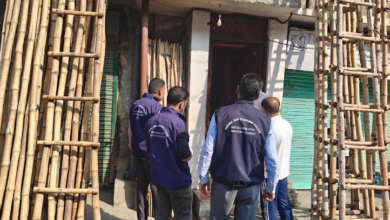
From Revenue to Civic Bodies, ACB Trap Cases Reveal Pattern of Petty Corruption


Srinagar, June 1, KNT: Repeated trap operations conducted by the Anti-Corruption Bureau (ACB) in Jammu and Kashmir continue to expose a persistent pattern of bribery complaints across government departments, raising concerns about accountability and delivery of public services.
While each case emerges from individual complaints, the frequency of trap operations suggests that allegations of illegal gratification remain embedded in routine administrative processes affecting ordinary citizens.
A top official on condition of anonymity said that over recent years, ACB has registered cases involving officials from departments ranging from revenue and municipal bodies to rural development, education, power, policing and forest services. Most cases share a similar pattern — allegations that public servants sought money for performing official duties or expediting files, clearances and payments.
The latest arrest of a Forest Department employee in a bribery case linked to release of security deposits adds to a growing list of trap cases reported across Jammu and Kashmir.
He said such complaints often arise from direct public interaction points where citizens depend on officials for certificates, revenue matters, payments, construction permissions or administrative approvals.
The pattern points not necessarily to large-scale corruption alone but also to what is commonly described as “transactional corruption”, smaller yet deeply disruptive demands that directly affect everyday governance and public trust.
Despite increasing vigilance and arrests, concerns persist over deterrence and systemic reform.
Many complainants approach ACB only after negotiations over alleged bribe amounts fail or when demands become difficult to bear financially, suggesting that several incidents may go unreported.
At the same time, ACB trap operations have increasingly become a visible tool of accountability.
Officials involved in successful traps are frequently arrested on the spot and investigations often include searches, recovery procedures and legal prosecution under anti-corruption laws.
However, some officials involved in handling these trap cases argue that trap cases alone cannot fully address the issue unless accompanied by administrative reforms, stronger internal oversight and reduction of discretionary processes vulnerable to misuse.
Digital governance and online service delivery introduced across various departments have reduced opportunities for direct contact in some sectors, yet complaints continue to surface where human intervention remains central to decision-making.
The recurring emergence of trap cases raises a broader question confronting governance institutions in Jammu and Kashmir: whether corruption complaints are isolated incidents or indicators of deeper structural weaknesses requiring sustained reform and stronger institutional accountability. [KNT]
© Kashmir News Trust (KNT). Unauthorized use without attribution is prohibited.