
Rising tensions between the United States and Iran, coupled with uncertainty surrounding the Strait of Hormuz, have emerged as one of the world’s most closely watched developments, triggering fresh concerns over regional security and global energy stability.
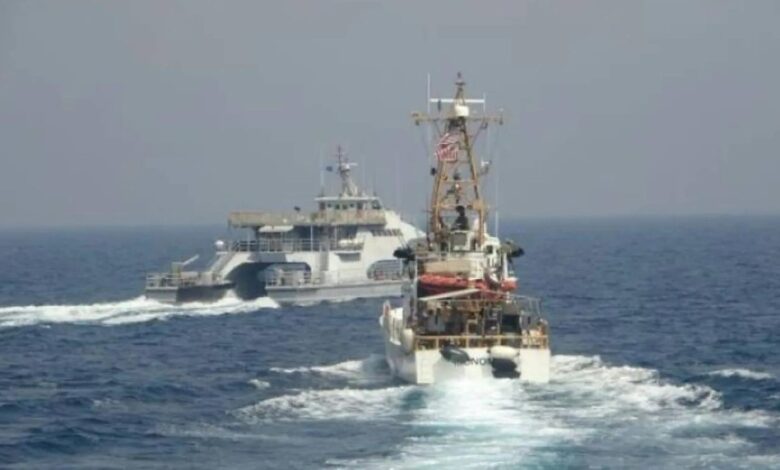
The evolving Gulf situation carries significance far beyond the Middle East, with the Strait of Hormuz serving as one of the world’s most strategic maritime corridors through which a major share of global oil and gas supplies moves.
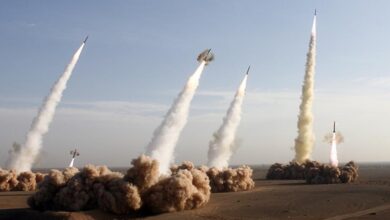
Fresh exchanges and military activity between Washington and Tehran have renewed fears that fragile diplomatic efforts could unravel despite ongoing negotiations aimed at reducing tensions. Reports indicate that both sides have engaged in fresh military actions even as diplomatic channels remain active.
The crisis stems from months of confrontation involving Iran, the United States and wider regional actors, with disputes centered around maritime access, security arrangements and the broader nuclear issue. The Strait of Hormuz has remained central to negotiations and geopolitical calculations.
Oil markets reacted swiftly.
Brent crude prices climbed above earlier levels and moved near the 94-dollar mark per barrel amid concerns over supply disruptions and uncertainty surrounding shipping movement through Gulf waters. Investors and governments alike are closely monitoring the situation for signs of escalation or breakthrough.
Recent reports suggested cautious diplomatic movement toward a possible framework to ease tensions and normalize maritime traffic, though disagreements remain over critical issues including long-term security arrangements and nuclear-related concerns.
The uncertainty has already affected global financial sentiment.
Markets across Gulf countries witnessed mixed performance as investors responded to security developments and volatility in oil prices. Analysts say prolonged instability in the Gulf could influence inflation, fuel prices and supply chains across multiple economies.
The developments underline how a regional confrontation can quickly acquire global dimensions.
For energy-importing countries, shipping disruptions or prolonged tension in the Gulf carry direct economic implications, while diplomats continue to press for de-escalation before the crisis widens further.
© Kashmir News Trust (KNT). Unauthorized use without attribution is prohibited.