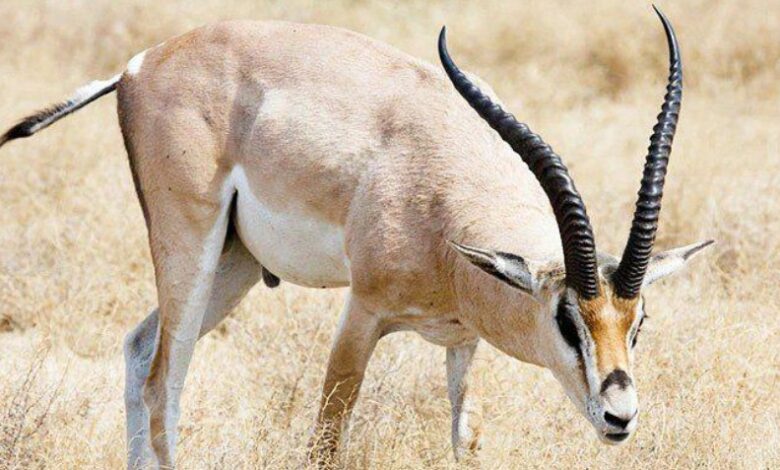
New Delhi, March 12, KNT: A court in New Delhi has convicted a Jaipur-based art gallery owner for attempting to illegally export Shahtoosh shawls made from the hair of the critically endangered Tibetan antelope, in violation of India’s wildlife protection laws.
The Chief Judicial Magistrate at Rouse Avenue District Courts delivered the judgment against Syed Shahid Ahmed Kashani, proprietor of M/s Indian Art Gallery, Jaipur, concluding a case that began with a detection at the Indira Gandhi International Airport in December 2008.
The Tibetan antelope, also known as chiru, is listed under Schedule I of the Wildlife (Protection) Act, 1972, affording it the highest level of legal protection. Trade in Shahtoosh products derived from its hair is prohibited in India and has been banned globally under the Convention on International Trade in Endangered Species (CITES).
The case originated when officials identified 1,290 shawls in an export consignment at the airport, raising suspicion of illegal wildlife trade. The Wildlife Crime Control Bureau subsequently filed a complaint with the Central Bureau of Investigation in February 2009, marking one of the first instances of a wildlife offence being pursued through the agency.
Authorities said the investigation involved coordination between multiple agencies, including Customs and the Wildlife Institute of India, which conducted forensic analysis of the seized material.
Initial examination flagged shawls suspected to contain prohibited Shahtoosh fibre. Laboratory tests later confirmed the presence of Tibetan antelope hair in a number of samples, establishing evidence critical to the prosecution.
The complaint was initiated by Ramesh Kumar Pandey, then Regional Deputy Director of the Wildlife Crime Control Bureau, who also oversaw the referral of samples for forensic verification.
The conviction highlights the challenges of prosecuting wildlife crimes, particularly those involving cross-border trade and complex forensic verification, and underscores the role of inter-agency coordination in securing legal outcomes.
The Shahtoosh trade has long been linked to the killing of Tibetan antelopes, as several animals are typically required to produce a single shawl, making enforcement of the ban central to conservation efforts. [KNT]