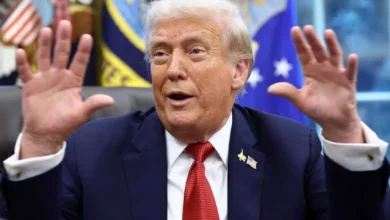
Gulf States Reassess US Security Ties Amid Iran Crisis, Turn to China for Trade

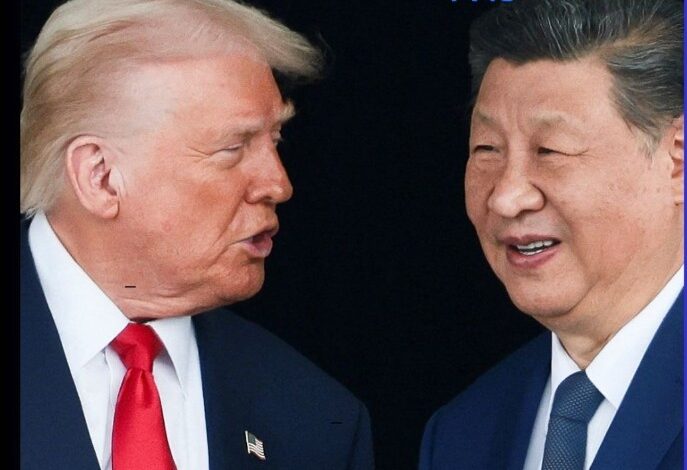
Gulf states are reassessing their long-standing security and strategic ties with the United States amid escalating tensions with Iran, while simultaneously deepening economic engagement with China, according to recent developments reported by international media.
The shift reflects growing unease in the region over Washington’s strategy and reliability, particularly as conflict-related disruptions, including threats to shipping routes, have directly impacted Gulf economies.
Recent tensions linked to Iran, including disruptions in the Strait of Hormuz and broader regional instability, have exposed vulnerabilities in the traditional US-backed security framework, prompting Gulf countries to explore alternative partnerships.
At the same time, economic ties with China are expanding, with increasing use of the Chinese yuan in trade transactions, especially in energy deals, signaling a gradual diversification away from exclusive reliance on the US dollar.
Analysts say the trend is driven by both geopolitical and economic considerations, as Gulf nations seek to balance security dependencies with emerging global power dynamics.
Recent reports indicate that confidence in the US security umbrella has been shaken by the ongoing conflict, pushing countries in the region to hedge their bets by strengthening ties with Beijing.
China, already a major trading partner and energy consumer for Gulf states, has been actively expanding its footprint in the region through trade, investment, and diplomatic engagement.
The evolving scenario points to a broader realignment in the Middle East, where traditional alliances are being recalibrated in response to shifting geopolitical realities.
The reassessment does not signal an immediate break from the United States but underscores a strategic diversification approach by Gulf countries navigating an increasingly uncertain regional environment.
Dollar vs Yuan Trade | What It Means
“Dollar trade” refers to international trade transactions conducted in US dollars, which has long been the dominant global currency, especially in oil, energy, and commodity markets. Most countries hold dollar reserves and use it for cross-border payments due to its stability and widespread acceptance.
“Yuan trade” refers to transactions conducted in China’s currency, the renminbi (RMB), commonly called the yuan. In recent years, China has encouraged its trading partners to use the yuan instead of the US dollar, particularly in energy and bilateral trade deals.
The global system where oil and major commodities are priced in US dollars is often called the “petrodollar” system. A shift toward yuan-based trade indicates countries are diversifying currency use to reduce dependence on the US dollar.
For countries, using yuan can lower transaction costs in trade with China and reduce exposure to US financial systems, while dollar trade still remains dominant due to its global trust and liquidity.
The growing use of yuan in international trade reflects broader geopolitical and economic shifts, especially as countries explore alternatives in response to changing global power dynamics.
© Kashmir News Trust (KNT). Unauthorized use without attribution is prohibited.