
Supreme Court Says SC Status Ends on Conversion to Christianity, Upholds High Court Order

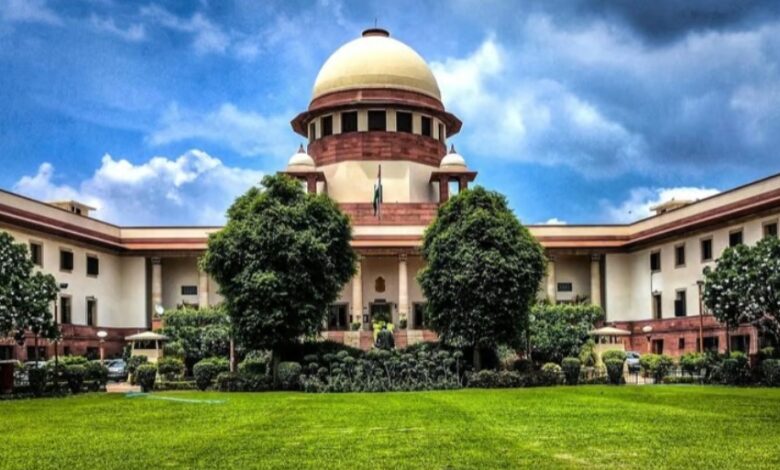
New Delhi, March 24, KNT: The Supreme Court on Tuesday upheld a ruling that individuals who convert to Christianity and actively practice the faith cannot be considered members of the Scheduled Caste (SC) community, reinforcing the legal position under the Constitution (Scheduled Castes) Order, 1950.
The court affirmed an earlier judgment of the Andhra Pradesh High Court, stating that conversion to a religion not specified under the 1950 Order results in the immediate and complete loss of Scheduled Caste status.
The ruling is significant as it clarifies eligibility for constitutional protections and benefits under laws such as the Scheduled Castes and Scheduled Tribes (Prevention of Atrocities) Act.
A bench of Justice Prashant Kumar Mishra and Justice Manmohan held that only individuals professing Hinduism, Sikhism or Buddhism can be recognised as members of Scheduled Castes under the existing legal framework.
“No statutory benefit, protection or reservation… can be claimed by any person who is not deemed to be a member of the Scheduled Caste,” the court observed, terming the restriction “absolute.”
The case arose from a petition filed by a person who had converted to Christianity and was functioning as a pastor but had invoked provisions of the SC/ST Act alleging assault and caste-based abuse.
The Supreme Court noted that the petitioner had continued to profess Christianity for over a decade and was actively conducting religious activities, leaving “no room for doubt” about his religious identity at the time of the incident.
The Andhra Pradesh High Court had earlier quashed criminal proceedings under the SC/ST Act, holding that the caste system is not recognised within Christianity and therefore such protections could not be invoked after conversion.
The Supreme Court upheld this reasoning, stating that the constitutional bar under Clause 3 of the 1950 Order applies regardless of birth or prior caste identity.
Legal experts said the ruling reiterates long-standing jurisprudence on the intersection of caste and religion in India’s constitutional framework, particularly in relation to affirmative action and legal protections.
The court also clarified that possession of a caste certificate does not automatically entitle a person to claim Scheduled Caste benefits if they have converted to a religion outside the specified categories.
The judgment is expected to have implications for similar cases where individuals seek legal protection or reservation benefits after religious conversion.
Background to the case involved allegations of assault and intimidation, with the complainant invoking provisions of the SC/ST Act. The accused had challenged the applicability of the law, citing the complainant’s conversion to Christianity. [KNT]
© Kashmir News Trust (KNT). Unauthorized use without attribution is prohibited.