
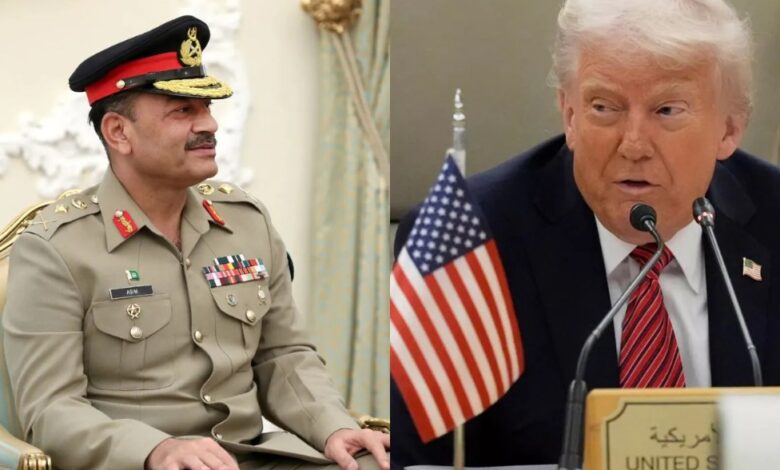
Reports of Pakistan facilitating backchannel talks between the United States and Iran amid the ongoing West Asia conflict have triggered political reactions in India, with opposition leader Rahul Gandhi criticizing the country’s foreign policy.
According to multiple international media reports, Pakistan has emerged as a potential intermediary in efforts to de-escalate tensions, with its Army Chief General Asim Munir speaking to US President Donald Trump and Prime Minister Shehbaz Sharif engaging with Iranian leadership.
The diplomatic activity comes at a time when Washington has indicated a temporary pause in strikes against Iranian infrastructure, even as Tehran has publicly denied holding direct talks with the US.
The developments have added a new dimension to the conflict, with several countries including Pakistan, Oman and Turkey reportedly acting as intermediaries to explore possible negotiations.
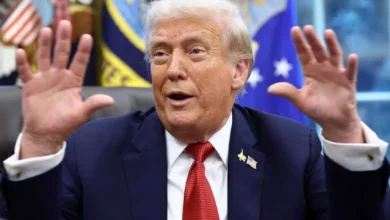
Amid these reports, Congress leader Rahul Gandhi launched a sharp attack on the government, calling India’s foreign policy a “universal joke” in the context of Pakistan’s reported role in facilitating talks.
“Our foreign policy has become a universal joke,” Gandhi said, questioning India’s diplomatic positioning as reports of Pakistan’s involvement surfaced.
The remarks come as political reactions intensify over India’s role in the evolving geopolitical situation in West Asia.
Analysts said the situation reflects a complex diplomatic environment where multiple countries are attempting to open communication channels while official positions remain guarded.
“There is a mix of public denial and private engagement,” an expert on international relations said, referring to the contrasting statements from Washington and Tehran.
Media has reported that Pakistan is acting silently without make clamor, thus emerging as a leading country in international polity.
The conflict, now entering its fourth week, has led to significant regional instability, with global markets and energy supplies also reacting to developments.
Background diplomatic efforts in the region have often relied on intermediaries due to the absence of direct relations between the US and Iran, making third-party facilitation a common feature in crisis negotiations. [KNT]
© Kashmir News Trust (KNT). Unauthorized use without attribution is prohibited.