Middle East War: What Happened in Last 12 Hours?

A rapid escalation of the Middle East war was reported over the past 12 hours, with fresh airstrikes, a downed U.S. fighter jet, and failed ceasefire efforts signalling intensifying hostilities across the region.
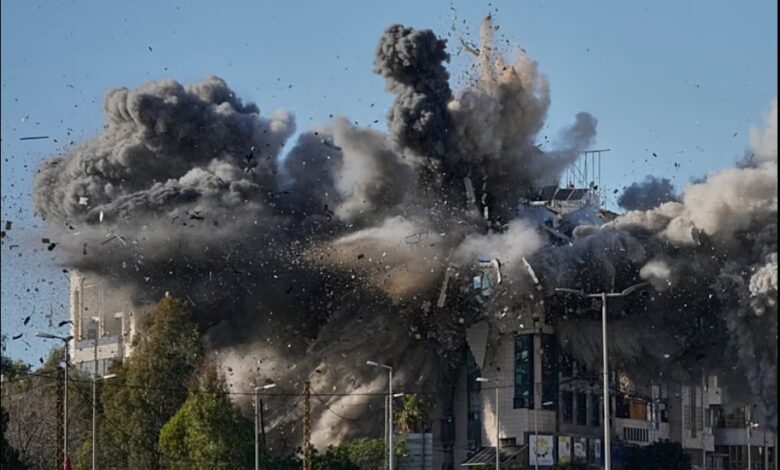
Israeli forces carried out new airstrikes on Beirut late Friday, targeting what officials described as Hezbollah infrastructure, as fighting along the Lebanon front intensified and widened the conflict beyond Iran.
The latest developments come as the war, now spanning multiple countries, shows signs of further expansion with simultaneous military activity in Iran, Lebanon, and the Gulf.
In one of the most significant incidents, a U.S. F-15 fighter jet was shot down over Iran, with one crew member rescued and another reported missing, triggering a search operation involving both U.S. and Iranian forces.
The incident marks a major escalation, being the first confirmed loss of an American aircraft inside Iranian territory since the conflict began.
Officials and military analysts say the downing of the jet reflects increasing direct confrontation between the United States and Iran, moving beyond proxy warfare into open conflict.
Meanwhile, Iran rejected a U.S.-proposed 48-hour ceasefire, signalling no immediate diplomatic breakthrough despite rising global pressure to halt the fighting.
The refusal underscores deep mistrust between the sides and suggests that hostilities are likely to continue in the near term.
Military exchanges have continued across multiple fronts. Israeli strikes were also reported in Tehran, while Hezbollah intensified rocket fire into northern Israel, and violence was reported in other parts of the region including Syria and the Gulf.
“The situation is now a full-scale multi-theatre conflict,” a defence analyst said, noting that simultaneous engagements across countries increase the risk of miscalculation.
Read: When the Jhelum Was the Lifeline of Srinagar
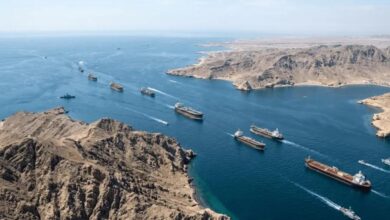
Further complicating the crisis, tensions in key maritime routes have escalated. The Strait of Hormuz, through which a significant portion of global oil passes, remains disrupted, with efforts to reopen it facing major military and logistical challenges.
Energy analysts warn that prolonged disruption could have severe consequences for global markets.
Civilian impact is also growing. In Lebanon, large-scale displacement has been reported, with over a million people affected as Israeli strikes and evacuation orders continue across parts of the country.
The United States has issued warnings to its citizens in Lebanon, advising them to leave immediately amid fears of further escalation, including possible retaliatory strikes linked to Iran.
Residents across conflict zones describe rising uncertainty and fear as attacks intensify. “We don’t know what will happen next. Every day brings new strikes,” said a resident in Beirut.
The broader context of the conflict traces back to the launch of coordinated U.S.-Israeli strikes on Iran in late February 2026, followed by retaliatory missile and drone attacks by Tehran and its allied groups across the region.
Since then, the war has evolved into a complex, multi-front confrontation involving state and non-state actors across the Middle East.
Analysts warn that without immediate diplomatic intervention, the situation risks spiralling into a prolonged regional war with global economic and security consequences.
© Kashmir News Trust (KNT). Unauthorized use without attribution is prohibited.