Middle East Crisis: What Happened in Last 12 Hours?

The United States has launched a naval blockade targeting Iranian ports, sharply escalating tensions in the Middle East even as diplomatic efforts continue on multiple fronts, including rare talks between Lebanon and Israel and tentative outreach between Washington and Tehran.
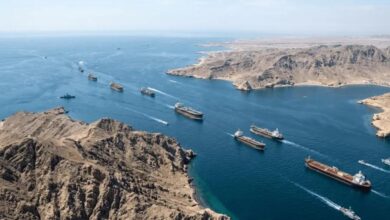
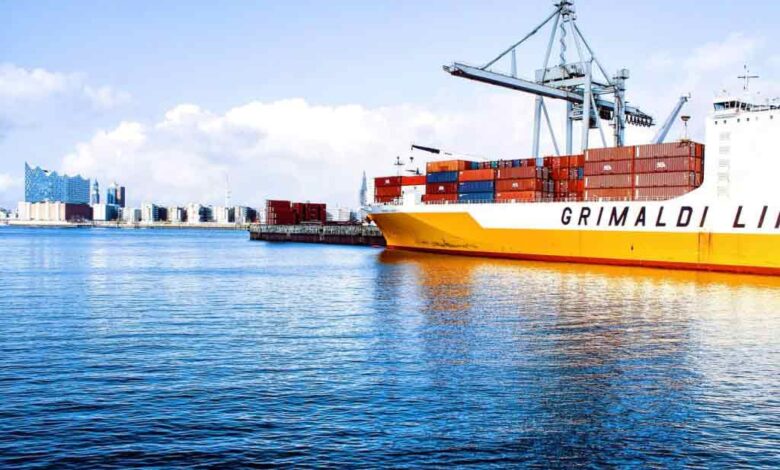
The blockade, aimed at restricting Iran’s oil exports, is being enforced near the strategically critical Strait of Hormuz, a key global energy corridor. Iran has condemned the move, warning it could destabilize global energy markets and trigger wider economic fallout.
The development comes despite a fragile ceasefire currently holding between the United States and Iran, highlighting a growing contradiction between ongoing diplomatic engagement and intensifying economic and military pressure.
The Strait of Hormuz remains under strain, with reports indicating continued movement of some Iran-linked oil tankers even as disruptions affect broader shipping activity. The waterway accounts for a significant portion of global oil transit, and any sustained disruption is expected to have ripple effects across international markets.
Parallel diplomatic efforts have also unfolded in Washington, where direct talks between Lebanon and Israel concluded without a major breakthrough. The discussions, described as the first of their kind in decades, were aimed at reducing tensions along the southern Lebanon border and addressing security concerns linked to Hezbollah.
However, Hezbollah has rejected the process outright, refusing to recognize any outcomes from the talks, underscoring the limitations of state-level diplomacy in a region where powerful non-state actors remain deeply influential.
Meanwhile, the United Nations Development Programme has warned that the escalating crisis could push up to 8.8 million people globally into poverty, with regions such as South Asia expected to be particularly vulnerable to economic shocks stemming from rising energy prices and supply disruptions.
Diplomatic signaling continues alongside these developments. Reports indicate that multiple countries, including Saudi Arabia, Egypt, and Pakistan, are exploring mediation avenues to facilitate renewed dialogue between the United States and Iran. European nations are also assessing security measures to safeguard maritime routes amid fears of further escalation.
At the same time, rising oil prices linked to the crisis are reshaping global economic dynamics, with energy-exporting nations potentially benefiting while import-dependent economies face mounting pressure.
The current situation reflects a volatile “no war, no peace” phase, where ceasefire conditions coexist with actions that risk triggering broader confrontation. The absence of a clear de-escalation pathway, combined with competing diplomatic and military signals, continues to heighten uncertainty across the region.
As developments unfold, the Middle East remains at a critical juncture, with immediate actions in energy corridors, diplomatic arenas, and conflict zones likely to shape both regional stability and global economic conditions in the coming days.
© Kashmir News Trust (KNT). Unauthorized use without attribution is prohibited.