Poplar Fluff in Kashmir: A Manageable Problem, Not a Reason for Mass Felling
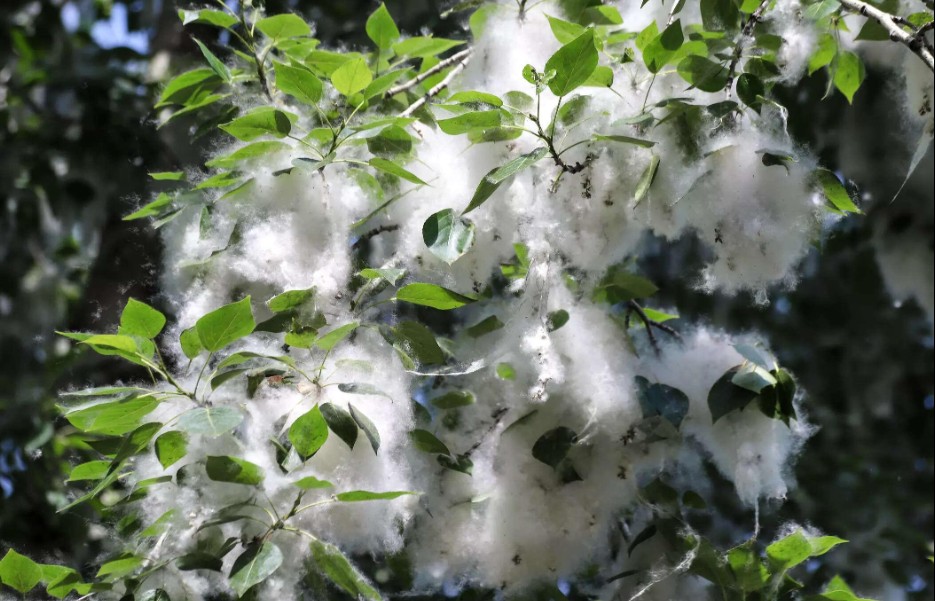
The fluff commonly mistaken as pollen is actually seed cotton released by female poplar trees.

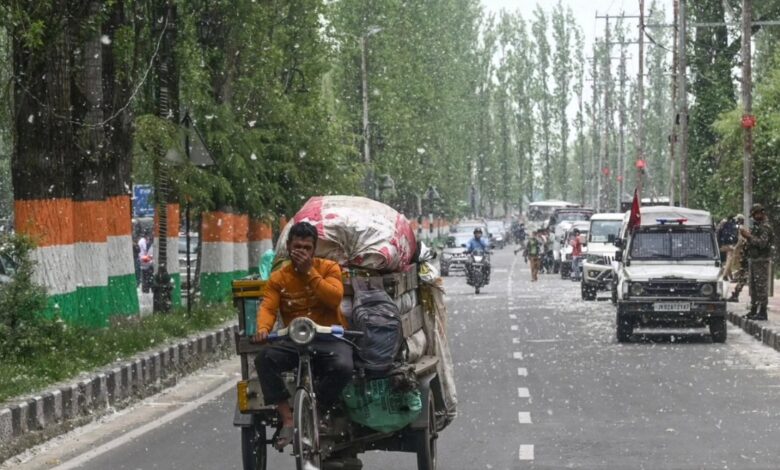
Each spring, large parts of Kashmir witness the familiar sight of white poplar fluff floating through the air, settling on roads, rooftops, and water bodies. For many people, it brings discomfort, irritation, and health concerns. Over the years, the response has often been drastic—thousands of poplar trees have been axed in an attempt to curb the problem.
But the question that remains largely unaddressed is whether cutting trees is the only solution. Evidence and forestry practices suggest otherwise.
The fluff commonly mistaken as pollen is actually seed cotton released by female poplar trees. This distinction is critical. Not all poplars produce this fluff, which means the issue is specific, not universal. Yet, past responses have often treated it as a blanket problem, leading to large-scale felling that carries its own environmental cost.
A more effective approach lies in targeted management. Identifying and gradually replacing female poplar trees with male or sterile varieties can significantly reduce the problem without disturbing the ecological balance. Such practices are already in use in urban forestry systems elsewhere.
Seasonal measures can also help. Timely pruning before the seed-release phase can limit the spread of fluff. Water sprinkling in affected areas during peak periods can reduce airborne particles. Regular cleaning of accumulated fluff, along with public advisories during high-intensity days, can further ease the impact on residents.
There is also a need to shift focus toward public health preparedness. Simple measures such as mask usage, indoor air filtration, and medical guidance for those with allergies can mitigate the immediate effects.
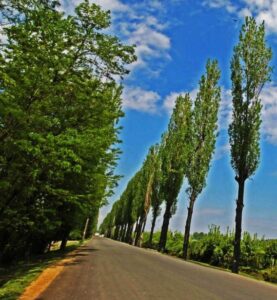
The broader issue is not the presence of poplar trees, but the absence of a structured management strategy. Trees that contribute to the region’s ecology, economy, and landscape should not become casualties of administrative convenience.
The poplar issue, at its core, is not a choice between trees and people. It is a test of whether policy can move beyond reactive measures and adopt a more informed, scientific approach.
© Kashmir News Trust (KNT). Unauthorized use without attribution is prohibited.