
A newly surfaced diplomatic cable has reignited political controversy in Pakistan over the 2022 removal of former Prime Minister Imran Khan, reviving allegations of foreign pressure, deepening political polarization, and placing renewed focus on the country’s civil-military power structure.
The controversy centers around a classified diplomatic communication, commonly referred to in Pakistan as the “cypher,” reportedly sent by Pakistan’s then-ambassador to the United States following a meeting with senior American official Donald Lu in March 2022, weeks before Khan lost power through a parliamentary no-confidence vote.
According to reports published by international and regional media outlets citing the leaked cable, the communication suggested that U.S. officials were unhappy with Khan’s foreign policy posture, particularly his visit to Moscow at the onset of the Russia-Ukraine war.
The alleged contents of the cable have once again triggered fierce debate in Pakistan because one reported line in the document stated that “all will be forgiven in Washington” if Khan was removed through a constitutional process.
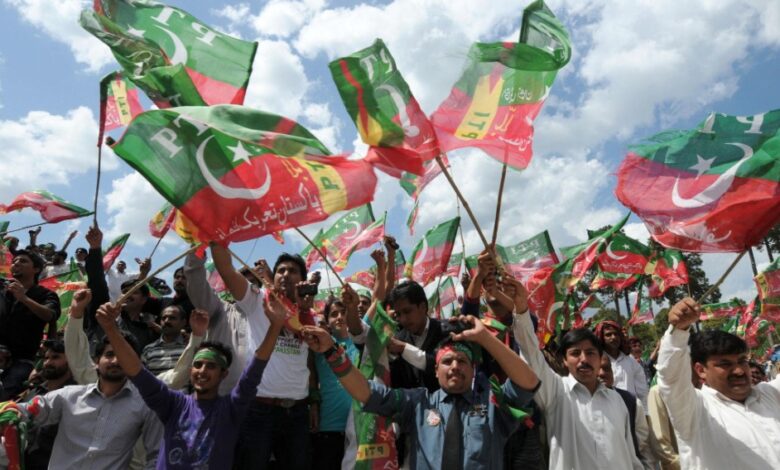
The phrase has rapidly resurfaced across Pakistani political discourse and social media, with Pakistan Tehreek-e-Insaf (PTI) supporters claiming the leak validates Khan’s long-standing allegations that his government was removed under external pressure with the backing of domestic power centers.
Khan had repeatedly alleged after his ouster in April 2022 that a foreign conspiracy was orchestrated against his government because of his independent foreign policy positions and refusal to align fully with Western geopolitical interests.
At the time, his critics dismissed the allegations as political rhetoric aimed at mobilizing public sentiment after he lost parliamentary majority support.
However, the resurfacing of the alleged cable has complicated that narrative and reignited scrutiny over the role of both foreign actors and Pakistan’s powerful military establishment during the political transition.
The issue is politically sensitive because Khan’s removal through a no-confidence motion marked the first successful parliamentary ouster of a Pakistani prime minister in the country’s history.
His supporters argue that the sequence of events leading to the collapse of his coalition government, including defections by allies and the withdrawal of institutional support, now appears more questionable in light of the leaked communication.
Political analysts in Pakistan said the renewed controversy could deepen existing divisions between Khan’s supporters and the current political establishment, particularly at a time when the former premier remains jailed in multiple legal cases.
The “cypher” later became central to a major criminal case against Khan after he publicly waved what he claimed was the diplomatic cable during political rallies and accused foreign powers of interference in Pakistan’s internal affairs.
Authorities accused Khan and close aides of mishandling classified state documents and violating secrecy laws, leading to prosecutions that further escalated political tensions across the country.
The United States government has consistently denied involvement in any attempt to remove Khan from office and has rejected allegations of orchestrating political change in Pakistan.
American officials have maintained that diplomatic discussions reflected policy concerns rather than any regime-change operation.
The leaked cable nevertheless comes at a politically volatile moment in Pakistan, where relations between the PTI leadership, the military establishment, and the ruling coalition remain deeply strained.
The controversy has also revived broader questions regarding Pakistan’s foreign policy autonomy, the role of external influence in domestic politics, and the military’s longstanding dominance in political affairs.
Supporters of Khan say the leak strengthens demands for transparency and accountability over the events surrounding his removal, while government allies accuse PTI of using selective disclosures to fuel political instability and anti-state sentiment.
The latest developments have generated intense debate across television networks, digital platforms, and political circles, with many Pakistanis revisiting the dramatic events of 2022 that reshaped the country’s political landscape.
Observers said the resurfacing of the issue could further energize Khan’s support base, particularly among younger voters who view him as a victim of political engineering.
The controversy is also expected to increase pressure on Pakistan’s political leadership as questions continue over the authenticity, interpretation, and implications of the leaked communication.
Further official reactions from Pakistani authorities and international stakeholders were awaited.
© Kashmir News Trust (KNT). Unauthorized use without attribution is prohibited.