
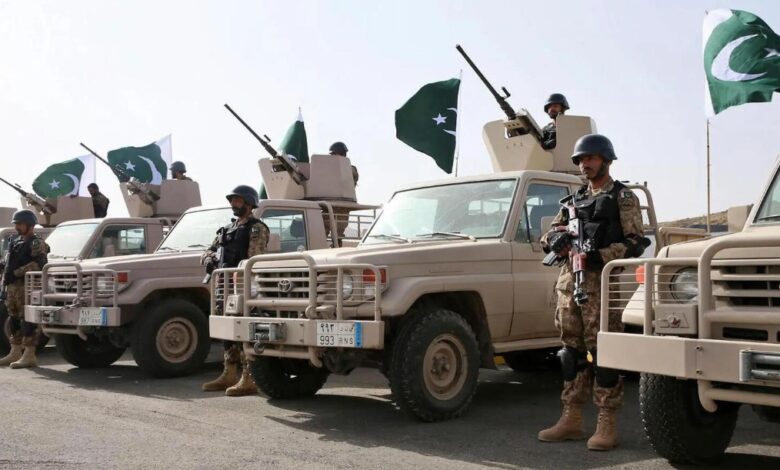
Pakistan has deployed thousands of troops, fighter aircraft, and air defence systems to Saudi Arabia under a mutual defence arrangement, significantly expanding military cooperation between the two countries amid heightened regional tensions involving Iran, according to multiple security and government sources.
The deployment, reported by Reuters citing three security officials and two government sources, includes around 8,000 troops, a full squadron of fighter aircraft largely comprising Pakistan-China jointly produced JF-17 jets, two drone squadrons, and a Chinese-made HQ-9 air defence system. The military assets are reportedly operated by Pakistani personnel and financed by Saudi Arabia.
The scale of the deployment has drawn regional and international attention because it goes beyond traditional advisory or symbolic military cooperation and reflects a substantial combat-capable presence inside the Gulf kingdom.
According to the report, the deployment took place under a confidential defence agreement signed last year between Islamabad and Riyadh, requiring both countries to support one another in the event of an attack. While the full terms of the agreement remain undisclosed, officials familiar with the arrangement said it provides for the possibility of considerably larger Pakistani deployments if regional conditions worsen.
Two security officials cited in the report said the fighter aircraft were deployed in early April, while drone units and air defence systems formed part of a broader security reinforcement package. The HQ-9 system is designed to intercept missiles and aerial threats and has become a key component of Chinese-exported air defence architecture.
Officials said the deployed personnel would primarily perform advisory and training roles, though the military hardware involved demonstrated operational capability far exceeding earlier Pakistan-Saudi security arrangements.
The development assumes significance because Pakistan has simultaneously positioned itself as a diplomatic intermediary in the Iran crisis while deepening security commitments with Saudi Arabia, one of Tehran’s principal regional rivals.
Reuters earlier reported that Saudi Arabia had confirmed the arrival of Pakistani fighter jets and support aircraft at King Abdulaziz Air Base under the bilateral defence pact.
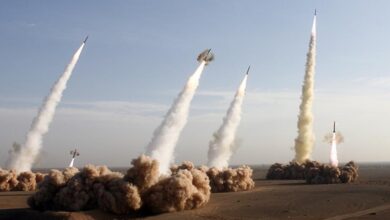
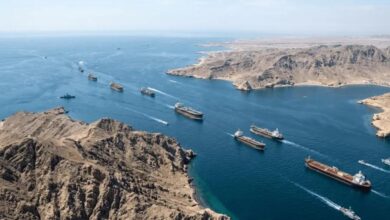
The military reinforcement followed months of heightened tensions in the Gulf after Iranian strikes reportedly targeted Saudi infrastructure and intensified fears of wider regional confrontation. Reuters separately reported that Saudi Arabia later carried out retaliatory strikes inside Iran during the broader regional conflict, though official details remained limited.
Pakistan’s government and military authorities did not immediately issue detailed public comments regarding the latest deployment, while Saudi officials also remained publicly restrained about the broader operational framework.
Pakistan and Saudi Arabia have maintained close defence relations for decades, with Pakistani military advisers and trainers historically stationed in the kingdom under various bilateral arrangements. Riyadh has also frequently provided financial support to Islamabad during periods of economic strain.
Analysts said the present deployment nevertheless marked a notable shift because of its size and combat orientation.
One government source cited by Reuters said the confidential agreement could theoretically permit deployment of up to 80,000 Pakistani troops to Saudi Arabia if required for collective defence operations. Some security officials also indicated that naval cooperation and deployment of Pakistani warships may form part of the arrangement, though confirmation remained unavailable.
The move has intensified debate among regional observers over Pakistan’s balancing strategy between diplomacy and security commitments.
While Islamabad continues to portray itself as a mediator seeking de-escalation in the Iran crisis, the military deployment signals strong strategic alignment with Saudi Arabia and underscores the evolving security architecture emerging in the Gulf.
© Kashmir News Trust (KNT). Unauthorized use without attribution is prohibited.