
U.S., Israel Suffer Losses as Iran Conflict Escalates; Global Efforts Intensify to Halt War

The ongoing military confrontation involving Iran, Israel and the United States has intensified since late February, resulting in mounting casualties, military losses and growing international efforts aimed at preventing the conflict from expanding into a wider regional war.
The hostilities began escalating after a series of strikes and counter-strikes between Iran and Israel, later drawing direct involvement from the United States, triggering fears of a prolonged military confrontation across the Middle East.
According to international media reports and defence analysts, the United States has lost at least seven military personnel in the conflict so far, while several others have sustained injuries during attacks targeting U.S. installations and military assets in the region.
Some of the casualties are believed to involve members associated with elite or specialized military units deployed for surveillance, missile-warning and support operations across the Middle East theatre.
Israel has also suffered casualties during Iranian missile and drone strikes, with reports indicating the deaths of at least two Israeli soldiers along with more than a dozen civilian fatalities and thousands injured as rockets targeted urban centres.
Iran, however, has borne the heaviest losses during the conflict, with reports suggesting that more than 1,000 people have been killed in airstrikes and retaliatory attacks across several Iranian cities since the conflict intensified on February 28.
Military analysts say the ongoing confrontation has also resulted in the destruction of military infrastructure and loss of equipment on multiple sides, including aircraft incidents and damage to strategic installations.
The conflict has significantly affected the broader Middle East region, particularly the Gulf countries where several U.S. military bases and key energy infrastructure are located.
Iran has reportedly launched retaliatory attacks against military installations and strategic targets in several Gulf states, raising concerns about the safety of energy facilities and shipping routes in the region.
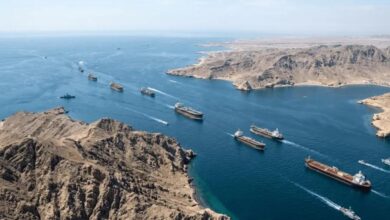
The Strait of Hormuz, a vital artery for global oil supply through which a significant portion of the world’s crude passes, has emerged as a key flashpoint during the confrontation.
Energy markets have reacted sharply to the crisis, with global crude oil prices rising significantly amid fears that disruptions to shipping through the Strait of Hormuz could impact global supply chains.
For countries like India, which imports nearly 85 percent of its crude oil requirements, the conflict has triggered economic concerns ranging from inflationary pressures to widening fiscal deficits and financial market volatility.
Several Gulf countries including Saudi Arabia, the United Arab Emirates and Bahrain have called for restraint and de-escalation while attempting to maintain diplomatic channels with all sides involved in the conflict.
These countries have also convened emergency consultations through the Gulf Cooperation Council to coordinate regional responses and prevent further destabilisation of the region.
International diplomatic efforts have intensified in recent days as global leaders and organisations attempt to prevent the conflict from expanding into a wider war.
The United Nations and several European nations have urged immediate de-escalation and called on the parties involved to pursue negotiations to avoid further civilian casualties and economic disruption.
Global powers fear that a prolonged confrontation could destabilise the entire Middle East, disrupt global energy markets and trigger wider geopolitical repercussions.
Strategic analysts say the conflict could unfold in several possible scenarios depending on diplomatic and military developments in the coming weeks.
One scenario involves gradual de-escalation through international mediation and ceasefire negotiations aimed at preventing further escalation.
Another possibility being discussed among analysts is a prolonged but limited regional conflict involving periodic missile exchanges, cyber operations and targeted strikes without a full-scale ground war.
The most serious scenario feared by global powers is a wider regional war that could involve multiple Middle Eastern countries and threaten global energy supplies and international economic stability.
For now, diplomatic channels remain active as international actors continue efforts to contain the crisis and prevent further escalation across the volatile region. [KNT]