Israel–Lebanon Ceasefire Begins Amid Clashes, Global Economy Feels Strain

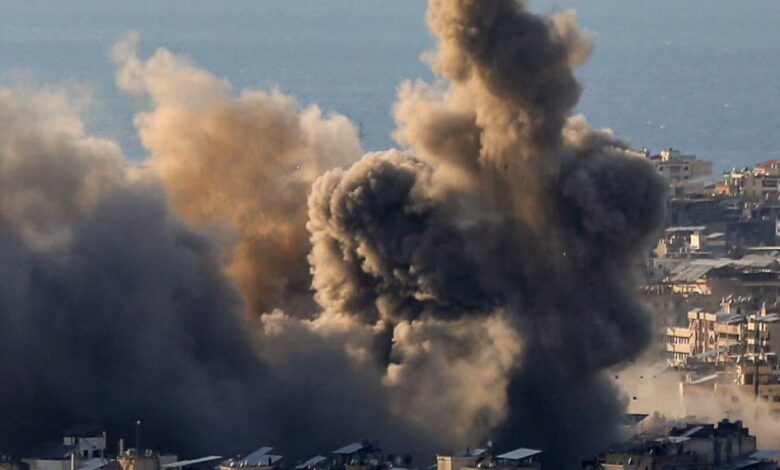
A fragile ceasefire between Israel and Lebanon has come into effect even as sporadic clashes and a continued U.S. military buildup against Iran underscore the volatility of a widening Middle East conflict with growing global consequences.
The 10-day ceasefire, brokered through international mediation, marks the first pause in weeks of cross-border hostilities between Israeli forces and Hezbollah fighters in southern Lebanon. However, reports of limited exchanges of fire after the truce took hold, along with the continued presence of Israeli troops in parts of southern Lebanon, have raised doubts about the durability of the agreement.
The developments come against the backdrop of a broader confrontation involving Iran and the United States, where military and diplomatic signals appear to be moving in opposite directions.
The evolving situation reflects overlapping conflicts across the region, with the Israel–Lebanon front only one dimension of a larger geopolitical crisis that includes U.S.–Iran tensions and disruptions to critical global energy routes.
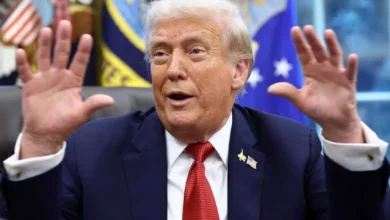
U.S. President Donald Trump said the conflict involving Iran could end “pretty soon,” signaling possible diplomatic movement. However, the United States has simultaneously deployed thousands of additional troops to the Middle East and maintained a naval posture aimed at pressuring Tehran, suggesting that military escalation remains a tangible risk.
The dual-track approach—public optimism alongside increased military deployment—has introduced uncertainty over the trajectory of the conflict.
On the Lebanon front, Hezbollah has warned it would respond if Israeli operations resume, while Israeli forces have not fully withdrawn from contested areas. The absence of a complete disengagement has left the ceasefire vulnerable to collapse.
Beyond the immediate conflict zones, the crisis is beginning to exert pressure on global systems, particularly energy and transportation.
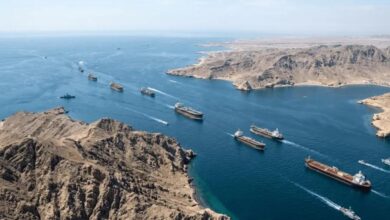
Tensions linked to Iran have disrupted movement through the Strait of Hormuz, a critical chokepoint for global oil shipments. Industry assessments indicate that continued disruption could lead to jet fuel shortages in parts of Europe within weeks, potentially affecting commercial aviation schedules ahead of the peak travel season.
The economic ripple effects are already visible. Several African countries are reportedly facing increased fiscal strain due to rising fuel and commodity prices, prompting a renewed turn toward international financial institutions for support.
ISRAEL — PROFILELocation: Population: Political System: Capital: Military Power:
Economy:
|
LEBANON — PROFILELocation: Population: Political System: Capital: Military & Security:
Economy:
|
Global markets have shown cautious resilience so far, but analysts warn that sustained disruption to oil supply chains could trigger inflationary pressures and slow economic growth across multiple regions.
Amid rising concerns, world leaders have intensified calls for de-escalation. Indian Prime Minister Narendra Modi emphasized the need for peaceful resolution of conflicts in the Middle East, reflecting a broader international push to prevent further escalation.
The current situation remains fluid, with multiple flashpoints operating simultaneously. While the Israel–Lebanon ceasefire offers a temporary pause in one theater, the unresolved U.S.–Iran confrontation and ongoing disruptions to energy routes continue to shape the broader crisis.
The coming days are expected to test whether diplomatic efforts can translate into sustained de-escalation or whether the region will see a renewed cycle of conflict.
© Kashmir News Trust (KNT). Unauthorized use without attribution is prohibited.