India–Pakistan Hold Four Back-Channel Talks Since May 2025 Conflict, Doha Meet Latest

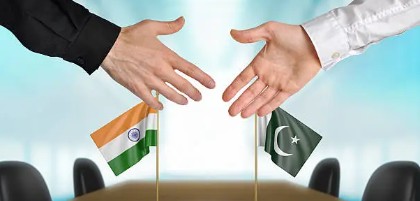
Indian and Pakistani strategic experts, parliamentarians and former diplomats have participated in at least four back-channel meetings since the May 2025 conflict between the two countries, with the latest engagement held in Doha earlier this year, Hindustan Times quoted people familiar with the matter as having said.
The meetings, conducted through a mix of Track 1.5 and Track 2 formats, signal limited but sustained efforts to maintain informal channels of communication despite the near-total freeze in formal diplomatic contacts following the four-day military confrontation from May 7 to 10, 2025.
The most recent engagement was a Track 2 meeting held in Doha in February, facilitated by a UK-based think tank, the people said, adding that Indian officials did not respond to requests for comment.
The back-channel engagements began roughly two months after India launched Operation Sindoor in response to the Pahalgam attack carried out by The Resistance Front (TRF), a proxy for Pakistan-based Lashkar-e-Taiba (LeT). The subsequent conflict saw both sides target each other with drones and missiles before agreeing to a cessation of hostilities.
A Track 1.5 meeting involving a mix of serving and retired officials from both sides was held in London in July 2025 and facilitated by the International Institute for Strategic Studies (IISS), the people said. While the Pakistani delegation included serving military officials, India did not send serving representatives.
This was followed by another Track 1.5 engagement in Muscat, Oman, in October 2025, also facilitated by IISS. Such meetings are part of a broader framework of off-the-record discussions often aimed at reducing tensions and exploring policy positions.
In parallel, Indian and Pakistani experts, academics and former officials participated in Track 2 dialogues, including the Chao Track meeting in Thailand in December 2025, formerly known as the Chaophraya Dialogue. A similar composition of participants attended the Doha meeting earlier this year.
Sources said that though there were once about 20 Track 2 engagements between the two sides, only about a dozen remain active at present.
NDIALocation: Population: Power: |
PAKISTANLocation: Population: Power: |
Two people familiar with the discussions described the initial London meeting as “intense,” coming weeks after Operation Sindoor, while subsequent engagements in Muscat, Thailand and Doha were “more measured.”
The talks have been kept largely confidential due to the strained state of bilateral relations. Following the Pahalgam attack, India suspended the Indus Waters Treaty and imposed a series of diplomatic and economic measures, pushing ties to one of their lowest points in decades.
“These contacts help keep a channel of communication open and also help to gauge the temperature between the two sides, thus serving an essential purpose,” a person familiar with the engagements said.
With formal dialogue stalled, such informal engagements continue to serve as one of the few avenues for interaction between stakeholders from both countries.
© Kashmir News Trust (KNT). Unauthorized use without attribution is prohibited.